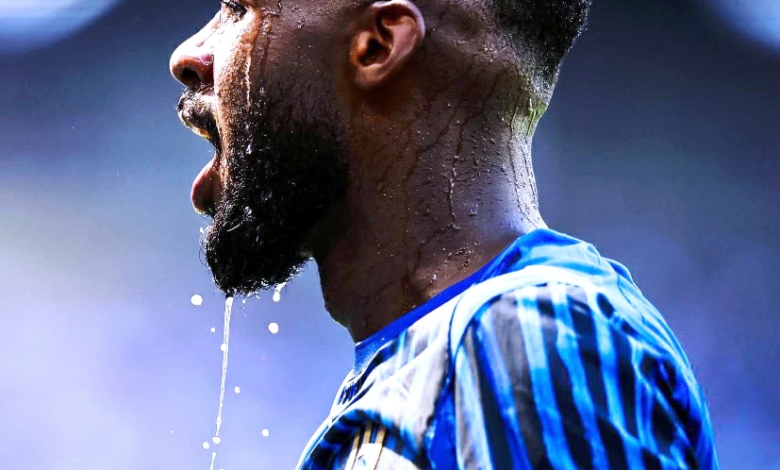

تحديات بدنية في عصر كرة القدم الحديثة
تعيش كرة القدم الحديثة طفرة هائلة على مستوى التنافسية والسرعة، وهو ما انعكس بشكل مباشر على الجهد البدني المبذول من قبل اللاعبين. وفي ظل التطور الكبير الذي يشهده الدوري السعودي للمحترفين والمشاركات القارية والدولية المكثفة، أصبحت الإصابات الرياضية تمثل أحد أبرز التحديات التي تواجه نجوم كرة القدم. وفي هذا السياق، أكد استشاري العظام والإصابات الدكتور أحمد حسن لـ«عكاظ» أن كثافة المباريات وقلة فترات الراحة تؤديان حتماً إلى تراجع مستوى اللاعبين، وربما تعجيل إنهاء مسيرتهم الرياضية حتى وهم في قمة عطائهم الفني.
سلمان الفرج.. صراع الخبرة مع شبح الإصابات
يُعد النجم المخضرم سلمان الفرج، القائد التاريخي البارز في الكرة السعودية، أحد أبرز الأمثلة على تأثير الإصابات المتكررة. استشهد الدكتور حسن بحالة الفرج الذي عانى مؤخراً من إصابة بقطع في الرباط الصليبي، وهي الإصابة التي أبعدته عن الملاعب لقرابة عام كامل. ورغم عودته للتدريبات الفردية، إلا أن الدفع به أساسياً في المباريات التنافسية العالية يُعد مغامرة طبية وفنية كبرى. إن تاريخ الفرج الحافل بالإنجازات يجعله ركيزة أساسية، لكن التقدم في العمر يُبطئ من عملية الاستشفاء الطبيعي، مما يتطلب فترة تأهيل متكاملة وشاملة لضمان عدم انتكاسته مجدداً، وهو ما قد يحد من دقائق لعبه مستقبلاً للحفاظ على سلامته.
حسان تمبكتي.. موهبة دفاعية تبحث عن الاستقرار البدني
على الجانب الآخر، تبرز حالة المدافع الدولي الشاب حسان تمبكتي، الذي يُصنف كأحد أهم المواهب الدفاعية في الكرة السعودية والآسيوية. ورغم إمكاناته الفنية العالية، حذر الدكتور حسن من أن استمرار تعرضه للإصابات المتكررة قد يعيق تطوره المأمول. يحتاج تمبكتي إلى استثمار صغر سنه ومرونته البدنية من خلال برامج تقوية عضلية مخصصة تمنع تكرار الإصابات. إن غياب اللاعب عن المشاركة المستمرة يفقده الإيقاع التنافسي للمباريات، مما قد يضعه أمام سيناريوهات غير مفضلة كالبقاء طويلاً على مقاعد البدلاء في ظل التنافسية الشرسة محلياً ودولياً.
الرباط الصليبي والجانب النفسي المنسي
أوضح الاستشاري أن أخطر الإصابات الشائعة هي قطع الرباط الصليبي الأمامي، وتمزقات الغضروف الهلالي، والتي تتطلب فترات علاج تتراوح بين 6 إلى 12 شهراً. التسرع في العودة قبل اكتمال الشفاء البيولوجي والميكانيكي يزيد من احتمالية القطع المتكرر. وهنا يبرز الجانب النفسي كعامل حاسم؛ فاللاعب العائد من إصابة طويلة يعاني غالباً من الخوف من الالتحامات، مما يقلل من ثقته بنفسه ويجعله متردداً داخل المستطيل الأخضر. هذا التردد ينعكس سلباً على أدائه الفني ويجعله عرضة لإصابات عضلية أخرى نتيجة التعويض الحركي الخاطئ.
الوقاية والتأهيل.. مفتاح الاستمرارية
في ختام تحليله، شدد الدكتور أحمد حسن على أن الطب الرياضي الحديث لم يعد يقتصر على العلاج فقط، بل يرتكز أساساً على الوقاية. يتطلب ذلك تكاملاً بين الأجهزة الطبية والفنية لوضع برامج إعداد بدني دقيقة، تعتمد على القياسات الحيوية، التغذية السليمة، وجودة النوم. كما أن توفير الدعم النفسي المتخصص للاعبين المصابين بات ضرورة ملحة في الأندية المحترفة لمساعدتهم على تجاوز الإحباط واستعادة شغف المنافسة. إن اللاعب المتكامل بدنياً ونفسياً هو القادر على الصمود في وجه ضغوطات الساحرة المستديرة ومواصلة التألق لسنوات أطول.