A ceasefire between the US and Iran, including Lebanon, brokered by Pakistan

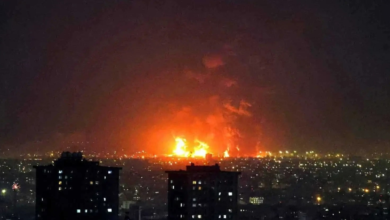
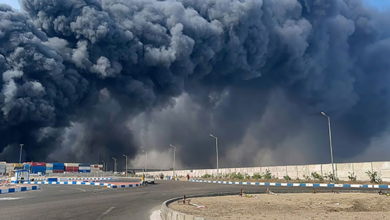
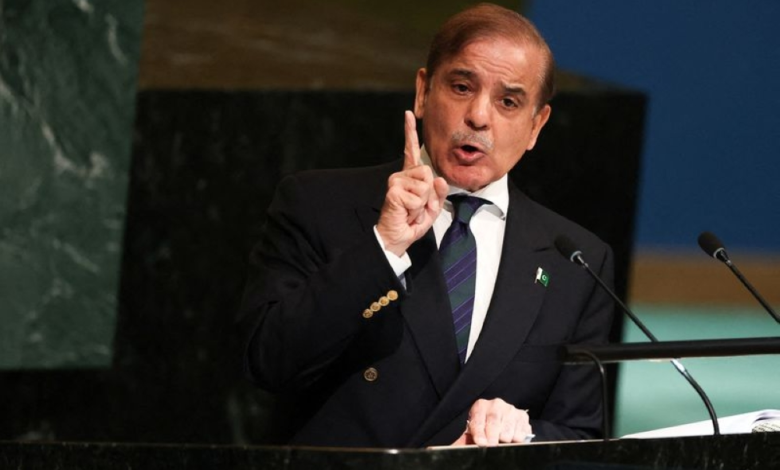
In a significant diplomatic development reflecting a major shift in the course of events in the Middle East, Pakistani Prime Minister Shehbaz Sharif announced that the United States and Iran, along with their respective allied groups and factions, had reached an agreement for an immediate ceasefire in all conflict zones, including Lebanon. This announcement followed intensive mediation efforts led by Islamabad to end the military escalation that began on February 28.
Details of Pakistani mediation and Islamabad negotiations
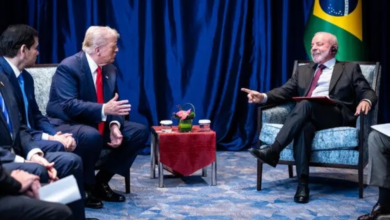
In official statements published on his X platform, Shahbaz Sharif confirmed that the Pakistani capital, Islamabad, will host official delegations from Washington and Tehran next Friday. These talks aim to transform the temporary ceasefire into a comprehensive and final peace agreement. Sharif expressed his hope that these talks will culminate in a successful outcome that achieves lasting stability, indicating that more positive news is expected in the coming days.
The historical context of tensions between Washington and Tehran
This move comes after decades of geopolitical tensions between the United States and Iran, dating back to 1979. Relations have been marked by periods of rapprochement, most notably the signing of the nuclear agreement in 2015, before Washington unilaterally withdrew from it in 2018 and imposed a campaign of maximum pressure. Since then, tensions have escalated in the region, with Iran relying on a network of regional allies. This explains why the current agreement includes countries like Lebanon, where Tehran's allies wield considerable influence and direct impact on events.
Iranian conditions: Ten-point proposal
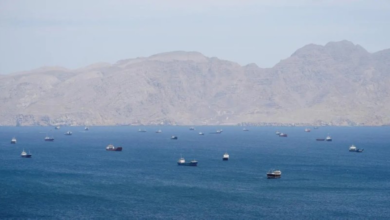
In preparation for negotiations, Tehran revealed that it had presented a 10-point proposal to the American negotiators as a prerequisite for ending the state of war. According to Iranian state media, the proposal includes key and sensitive demands, most notably continued Iranian control over the Strait of Hormuz, one of the world's most important strategic waterways for oil trade. Iran also stipulates that Washington recognize its right to enrich uranium as part of its nuclear program, in addition to the complete and comprehensive lifting of all economic sanctions imposed on it.
Regional and international impact and Trump's stance
This agreement is of paramount importance at the local, regional, and international levels. Regionally, the implementation of the ceasefire in Lebanon will ease tensions along the border, giving the region a chance to recover after a series of escalations. Internationally, stability around the Strait of Hormuz will send reassuring signals to global energy markets, which are highly sensitive to any security threat in the Arabian Gulf.
These developments coincided with US President Donald Trump's announcement that he was suspending his threats of a devastating military strike targeting Iranian infrastructure. In response, Iran's Supreme National Security Council issued a statement confirming that a decision had been made at the highest levels to engage in negotiations with Islamabad for two weeks. However, the Council emphasized that entering into these talks did not necessarily signify a final declaration of the end of the war, but rather served as a test of the parties' seriousness in reaching a just and peaceful settlement.