
تضارب في الروايات الإعلامية الإيرانية
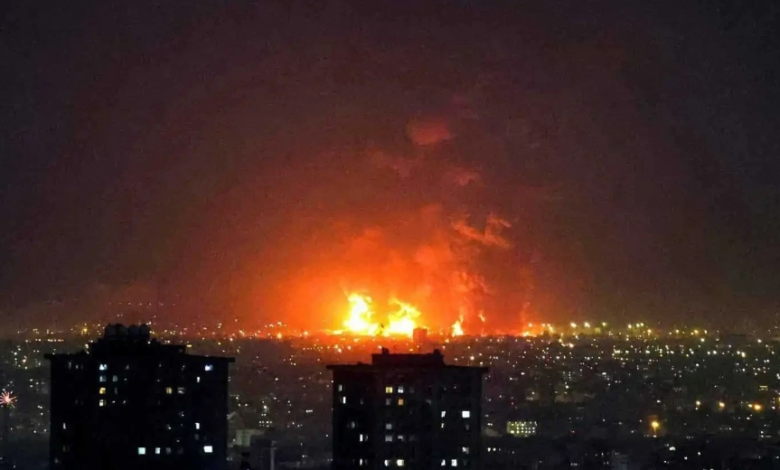
سادت حالة من الغموض والتضارب في التقارير الإعلامية الإيرانية بشأن طبيعة الأحداث الأمنية التي وقعت في جزيرة قشم ومدينة بندر عباس، وهما منطقتان تتمتعان بأهمية استراتيجية بالغة في جنوب إيران. ففي حين تحدثت وكالة “تسنيم” للأنباء عن تصدي الدفاعات الجوية لطائرتين مسيرتين فوق سماء قشم، قدمت وكالة “فارس” رواية مختلفة تمامًا، مشيرة إلى تبادل لإطلاق النار بين الجيش الإيراني وكيان وصفته بـ”العدو” عند رصيف بهمن في الجزيرة.
هذا التباين في الروايات الرسمية أثار العديد من التساؤلات حول حقيقة ما جرى، خاصة مع تأكيد التلفزيون الإيراني الرسمي وقوع أضرار في الأقسام التجارية من رصيف بهمن نتيجة “الاستهداف”. وأضافت تقارير أخرى أن أصوات الانفجارات التي سُمعت في المنطقتين كانت قوية، وأن السلطات بدأت تحقيقات فورية لمعرفة مصدرها وأسبابها، دون تقديم رواية موحدة وحاسمة حتى الآن.
الأهمية الاستراتيجية للمنطقة وسياق التوترات
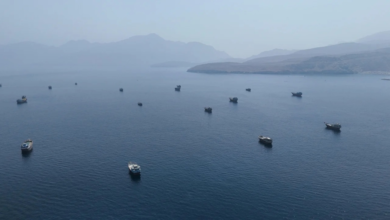
تقع كل من جزيرة قشم ومدينة بندر عباس في محافظة هرمزكان، وتطلان مباشرة على مضيق هرمز، الذي يعد أحد أهم الممرات المائية في العالم، حيث يمر عبره ما يقرب من خُمس استهلاك النفط العالمي. وتستضيف بندر عباس القاعدة الرئيسية للبحرية الإيرانية وبحرية الحرس الثوري، مما يجعل أي حادث أمني في هذه المنطقة مصدر قلق إقليمي ودولي بالغ.
تأتي هذه الأحداث في سياق من التوترات المتصاعدة في الشرق الأوسط، لا سيما “حرب الظل” المستمرة بين إيران وإسرائيل، والتي شهدت في السنوات الأخيرة هجمات سيبرانية، وعمليات تخريب لمنشآت نووية وصناعية، واستهدافًا لسفن تجارية وعسكرية. وكثيراً ما استُخدمت الطائرات المسيرة في هذه الهجمات المتبادلة، مما يجعل رواية استهداف قشم بمسيرات أمراً محتملاً في نظر المراقبين.
التأثيرات المحتملة على الصعيدين الإقليمي والدولي
إن وقوع حادث أمني بهذا الحجم في منطقة مضيق هرمز له تداعيات تتجاوز الحدود الإيرانية. على الصعيد المحلي، يثير تضارب الروايات قلق السكان المحليين ويشكك في قدرة السلطات على تقديم معلومات شفافة ودقيقة. أما على الصعيد الإقليمي، فإن أي هجوم مؤكد على منشآت إيرانية حيوية قد يدفع طهران إلى الرد، مما يزيد من خطر التصعيد العسكري في مياه الخليج التي تعج بالقطع البحرية الدولية.
دولياً، يراقب العالم هذه التطورات عن كثب، خاصة الدول المستوردة للنفط، خوفاً من أي اضطراب قد يؤثر على إمدادات الطاقة العالمية وأسعارها. كما أن الحادث يضع ضغوطاً إضافية على الجهود الدبلوماسية الرامية إلى خفض التوتر في المنطقة، ويؤكد على هشاشة الوضع الأمني في واحد من أكثر الممرات الملاحية حساسية في العالم.