
تحالف استراتيجي جديد في واشنطن
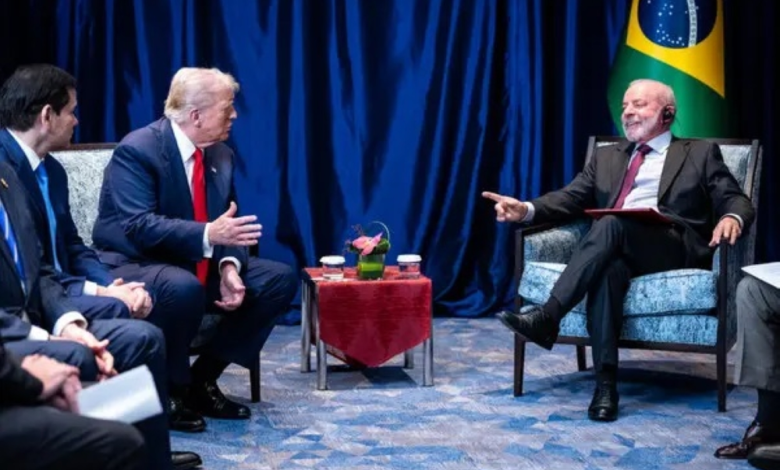
في خطوة عكست تقارباً أيديولوجياً وسياسياً لافتاً، استضاف الرئيس الأمريكي السابق دونالد ترامب نظيره البرازيلي آنذاك، جايير بولسونارو، في البيت الأبيض بواشنطن، في لقاء وُصف بأنه كان “جيداً جداً” وناجحاً. هذا الاجتماع، الذي جرى في مارس 2019، لم يكن مجرد لقاء دبلوماسي روتيني، بل شكّل نقطة تحول في العلاقات بين أكبر اقتصادين في الأمريكتين، وأسس لشراكة استراتيجية عميقة بين إدارتين تشترك في الكثير من التوجهات المحافظة والشعبوية.
السياق العام والخلفية التاريخية للحدث
جاءت زيارة بولسونارو إلى واشنطن كأول رحلة ثنائية رسمية له بعد توليه منصبه، مما أبرز الأهمية الكبيرة التي أولاها لتعزيز العلاقات مع إدارة ترامب. كان بولسونارو، الذي لُقّب بـ”ترامب المناطق المدارية”، يرى في الرئيس الأمريكي حليفاً طبيعياً ونموذجاً سياسياً. تاريخياً، شهدت العلاقات بين الولايات المتحدة والبرازيل فترات من التعاون والتوتر، لكن فترة رئاسة ترامب وبولسونارو مثّلت ذروة التقارب الأيديولوجي بين قائدي البلدين، حيث سعيا إلى بناء محور محافظ في نصف الكرة الغربي لمواجهة ما اعتبراه صعوداً للتيارات اليسارية في المنطقة.
أهمية الحدث وتأثيره المتوقع
ركزت المباحثات بين ترامب وبولسونارو على مجموعة واسعة من القضايا الحيوية، التي تجاوزت مجرد التصريحات الودية. كان الملف الاقتصادي على رأس جدول الأعمال، حيث ناقش الزعيمان سبل تعزيز التبادل التجاري وخفض الرسوم الجمركية التي كانت تشكل عائقاً في السابق. وأعرب ترامب عن دعمه لانضمام البرازيل إلى منظمة التعاون الاقتصادي والتنمية (OECD)، وهو هدف طالما سعت إليه برازيليا لتعزيز مكانتها الاقتصادية العالمية.
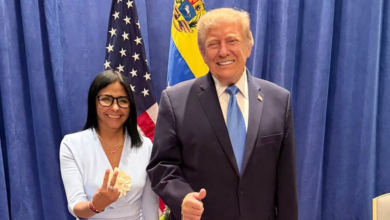
على الصعيد الأمني والعسكري، كان اللقاء مثمراً للغاية. أعلن ترامب عن نيته منح البرازيل صفة “حليف رئيسي من خارج الناتو”، وهو تصنيف يفتح الباب أمام تعاون دفاعي أعمق ويتيح للبرازيل شراء معدات عسكرية أمريكية متطورة. كما شكلت الأزمة في فنزويلا محوراً رئيسياً للنقاش، حيث اتفق الرئيسان على ضرورة زيادة الضغط على نظام نيكولاس مادورو، مؤكدين على موقفهما الموحد الداعم للمعارضة الفنزويلية. هذا التحالف لم يؤثر فقط على العلاقات الثنائية، بل أرسل رسالة قوية إلى دول أمريكا اللاتينية والعالم حول تشكّل محور سياسي جديد بقيادة واشنطن وبرازيليا.