Trump orders a prolonged blockade on Iran: an escalation of the maximum pressure policy

US presidential directives to tighten the noose on Tehran
A US official, quoted by The Wall Street Journal, revealed that former President Donald Trump instructed his aides to prepare for a long-term economic blockade of Iran. This move comes as part of his administration's "maximum pressure" strategy aimed at forcing Tehran back to the negotiating table on new US terms, following the US withdrawal from the nuclear agreement.
According to sources, this strategy aims to systematically cripple the Iranian economy to undermine the regime's ability to finance its nuclear and missile programs, as well as to curb its regional influence, which Washington considers destabilizing. Reports indicate that Trump was frustrated by Iran's failure to make substantial concessions and was unwilling to relinquish his key demand that Iran abandon uranium enrichment for at least 20 years.
General context and historical background of the tension
The roots of this escalation lie in President Trump's decision in May 2018 to unilaterally withdraw from the Joint Comprehensive Plan of Action (JCPOA), commonly known as the Iran nuclear deal, which was signed in 2015 between Iran and the P5+1 group of nations. The agreement aimed to curb Iran's nuclear program in exchange for lifting international economic sanctions. Trump deemed the agreement "disastrous" and argued that it failed to address Iran's ballistic missile program or its regional activities. Following the withdrawal, Washington reinstated harsh and comprehensive sanctions targeting vital sectors such as oil, banking, and metals, plunging the Iranian economy into a severe crisis.
The importance of the event and its expected impact
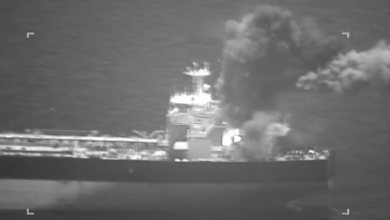
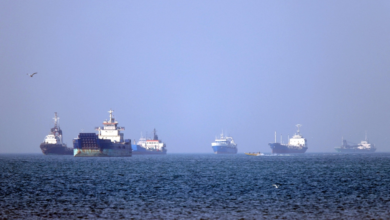
Domestically, the sanctions policy in Iran led to a collapse in the value of the local currency (the rial), soaring inflation, and a deterioration in living standards, sparking waves of internal protests. Regionally, the sanctions exacerbated tensions in the Persian Gulf, where the region witnessed mysterious attacks on oil tankers and energy facilities, as well as the downing of a US drone by Iran, bringing the region to the brink of direct military confrontation on several occasions. Internationally, this policy created a rift in relations between the United States and its European allies (Britain, France, and Germany), who attempted to salvage the nuclear agreement, but their efforts were thwarted by secondary US sanctions that threatened any company doing business with Iran.
Multiple options on the table
In this context, the then-US Treasury Secretary affirmed that the United States would continue to exert “maximum pressure” on Iran, noting that Iran’s clandestine financial network was helping the regime fuel violence and disrupt global trade. He added that Washington would hold accountable financial institutions that facilitated transactions related to Iranian oil. While the focus was on economic tools, sources quoted US officials as saying that military options remained on the table, although the likelihood of a ground invasion had diminished compared to previous weeks. This reflected a strategy that relied primarily on economic pressure while maintaining the military deterrent.