
تصعيد نووي في ظل التوترات العالمية
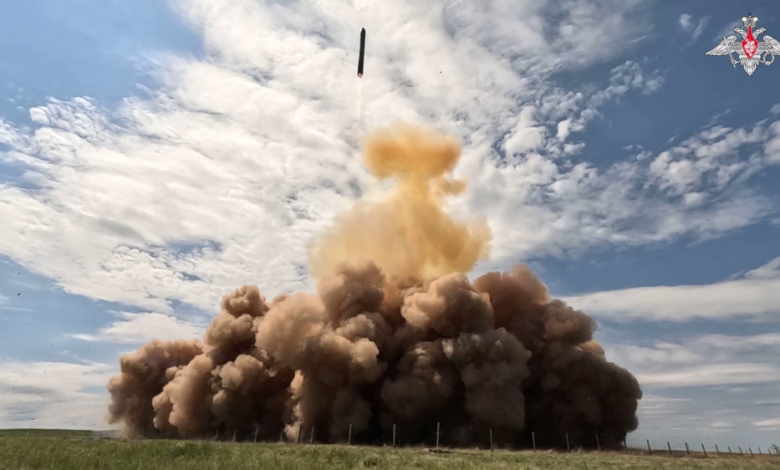
في خطوة تعكس تصاعد التوترات الجيوسياسية، أعلنت روسيا عن إجرائها اختبارًا ناجحًا لصاروخ باليستي جديد عابر للقارات من طراز “سارمات” (RS-28 Sarmat)، وهو نظام صاروخي متطور قادر على حمل رؤوس نووية متعددة. يأتي هذا الاختبار في وقت حرج، خاصة بعد تعليق روسيا لمشاركتها في معاهدة “نيو ستارت”، آخر اتفاقية كبرى قائمة للحد من الأسلحة النووية بينها وبين الولايات المتحدة، مما يفتح الباب أمام سباق تسلح جديد ومقلق على الساحة الدولية.
خلفية تاريخية: من الحرب الباردة إلى انهيار المعاهدات
يعود سباق التسلح النووي بجذوره إلى حقبة الحرب الباردة، حيث بنت الولايات المتحدة والاتحاد السوفيتي ترسانات ضخمة قادرة على تدمير العالم عدة مرات، في ظل عقيدة “التدمير المتبادل المؤكد”. وللحد من هذا الخطر، تم إبرام سلسلة من المعاهدات التاريخية مثل “سالت” و”ستارت” التي وضعت قيودًا على عدد الرؤوس الحربية وأنظمة إطلاقها. كانت معاهدة “نيو ستارت”، الموقعة عام 2010، تمثل استمرارًا لهذه الجهود، لكن تعليقها في فبراير 2023 أزال آخر القيود الرسمية على أكبر قوتين نوويتين في العالم، مما أعاد إلى الأذهان مخاوف تلك الحقبة المظلمة.
قدرات صاروخ “سارمات” وأهميته الاستراتيجية
وصف الرئيس الروسي فلاديمير بوتين صاروخ “سارمات”، الذي يطلق عليه حلف الناتو اسم “الشيطان 2” (Satan II)، بأنه “لا مثيل له في العالم” وأنه سيجعل أعداء روسيا “يفكرون مرتين”. يُعد هذا الصاروخ الثقيل الذي يعمل بالوقود السائل بديلاً للصاروخ السوفيتي القديم “فويفودا”. يتميز “سارمات” بقدرته على حمل حمولة ضخمة تصل إلى 10 رؤوس نووية ثقيلة أو 15 رأسًا أخف، بالإضافة إلى قدرته على حمل مركبات انزلاقية تفوق سرعتها سرعة الصوت (Hypersonic Glide Vehicles) مثل “أفانغارد”، مما يجعله قادرًا على اختراق جميع أنظمة الدفاع الصاروخي الحالية والمستقبلية. كما يمتلك مدى هائلاً يسمح له بضرب أهداف في أي مكان في العالم عبر مسارات غير متوقعة، بما في ذلك التحليق فوق القطبين الشمالي والجنوبي.
التأثيرات المتوقعة على الساحة الدولية
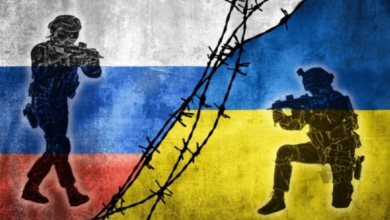
يحمل اختبار ونشر صاروخ “سارمات” تداعيات عميقة على المستويات المحلية والإقليمية والدولية. محليًا، يُستخدم هذا الإنجاز لتعزيز الفخر الوطني وإظهار القوة التكنولوجية والعسكرية لروسيا في مواجهة العقوبات والعزلة الغربية. إقليميًا، يبعث برسالة ردع قوية إلى حلف الناتو، مما يزيد من حالة القلق في أوروبا وقد يدفع دول الحلف إلى زيادة إنفاقها الدفاعي وتعزيز قدراتها الصاروخية. أما دوليًا، فيمثل هذا التطور ضربة قاصمة لجهود منع الانتشار النووي ويزيد من خطر اندلاع سباق تسلح ثلاثي الأقطاب يشمل الولايات المتحدة وروسيا والصين، التي تعمل بدورها على توسيع ترسانتها النووية بسرعة. إن غياب الشفافية والقيود التي كانت تفرضها المعاهدات يرفع منسوب عدم اليقين ويزيد من احتمالات سوء التقدير في الأزمات المستقبلية.