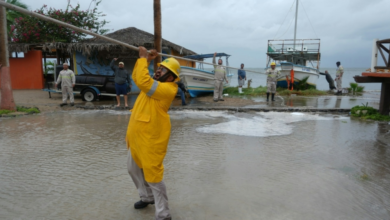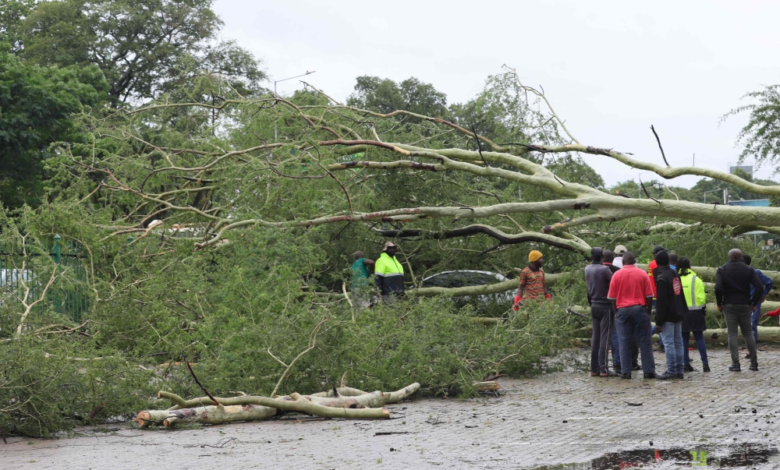

أعلنت السلطات في جنوب أفريقيا عن مصرع ما لا يقل عن 10 أشخاص وتدمير آلاف المنازل جراء فيضانات وسيول عارمة ناجمة عن أمطار غزيرة ضربت ستة أقاليم في البلاد. وقد تركزت الأضرار بشكل خاص في مدينة كيب تاون والمناطق المحيطة بها، مما دفع السلطات إلى إعلان حالة الكارثة الطبيعية واتخاذ إجراءات طارئة لحماية السكان.
وتسببت العواصف الرعدية الشديدة والرياح العاتية، المصحوبة بتساقط الثلوج في بعض المناطق المرتفعة، في حدوث فيضانات واسعة النطاق أثرت بشكل مدمر على البنية التحتية والممتلكات. وأشارت التقارير الرسمية إلى أن ما لا يقل عن 26 منطقة من الأحياء العشوائية والمستوطنات غير الرسمية حول كيب تاون قد غمرتها المياه، مما أدى إلى تضرر أكثر من 10 آلاف مبنى وتشريد آلاف الأسر التي تقطن في مساكن هشة تفتقر إلى أنظمة الصرف الصحي المناسبة.
السياق العام وتاريخ الكوارث المناخية
تأتي هذه الكارثة في سياق تزايد وتيرة الظواهر الجوية المتطرفة التي تشهدها جنوب أفريقيا ومنطقة الجنوب الأفريقي بشكل عام، والتي يربطها العلماء بتداعيات تغير المناخ. فالدولة لديها تاريخ طويل مع الكوارث الطبيعية، بما في ذلك موجات الجفاف الشديدة والفيضانات المدمرة. ففي عام 2022، شهد إقليم كوازولو ناتال فيضانات كارثية أودت بحياة أكثر من 400 شخص. وتبرز هذه الأحداث المتكررة مدى هشاشة البنية التحتية في البلاد، خاصة في المناطق الحضرية المكتظة بالسكان والمستوطنات غير الرسمية التي غالبًا ما تُبنى في مناطق معرضة للخطر مثل السهول الفيضية.
الأهمية والتأثيرات المتوقعة
على الصعيد المحلي، تمثل هذه الفيضانات أزمة إنسانية واقتصادية كبيرة لمدينة كيب تاون، التي تعد مركزًا سياحيًا واقتصاديًا رئيسيًا. وقد أدى إغلاق المدارس كإجراء احترازي، وتعليق العمل مؤقتًا في بعض مناطق الجذب السياحي الشهيرة، إلى تعطيل الحياة اليومية. كما تضع الكارثة ضغطًا هائلاً على خدمات الطوارئ والإنقاذ والموارد الحكومية المخصصة للإغاثة وإعادة الإعمار.
إقليميًا، يمكن أن تؤثر الأضرار التي لحقت بالطرق والجسور على حركة النقل وسلاسل الإمداد، مما يعيق وصول البضائع والمساعدات إلى المناطق المتضررة. أما على المستوى الدولي، فإن هذه الكارثة تسلط الضوء مجددًا على حاجة الدول النامية، ومنها جنوب أفريقيا، إلى دعم دولي لتعزيز قدرتها على التكيف مع تغير المناخ وبناء بنية تحتية أكثر مرونة وقدرة على الصمود في وجه الكوارث الطبيعية المستقبلية.