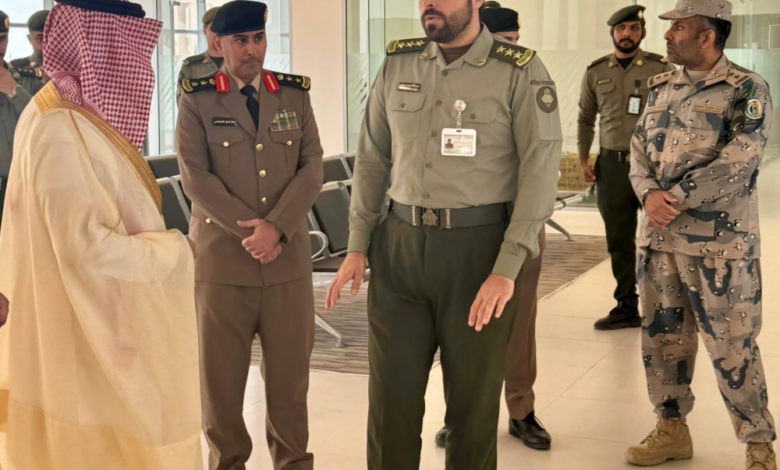

مع اقتراب موسم الحج لعام 1447هـ، بدأت المملكة العربية السعودية في استقبال وفود ضيوف الرحمن القادمين من شتى بقاع الأرض. وفي هذا السياق، شهد منفذ البطحاء الحدودي، البوابة البرية الحيوية شرق المملكة، وصول طلائع قوافل الحجاج من روسيا الاتحادية. وتزامنًا مع هذا الوصول، قام محافظ العديد، الأستاذ نايف بن فهد القوس، بجولة تفقدية ميدانية شاملة على مدينة الحجاج بالمنفذ، للوقوف على مستوى الجاهزية والاستعدادات التي اتخذتها مختلف القطاعات الحكومية لضمان تقديم أفضل الخدمات وتسهيل إجراءات الدخول.
جولة تفقدية لضمان أعلى مستويات الخدمة
شملت جولة المحافظ التفقدية كافة المرافق المخصصة لاستقبال الحجاج، من صالات الجوازات والجمارك إلى المراكز الصحية ونقاط التوعية الدينية. والتقى خلالها بمسؤولي الجهات العاملة في المنفذ، بما في ذلك المديرية العامة للجوازات، وهيئة الزكاة والضريبة والجمارك، ومركز المراقبة الصحي التابع لوزارة الصحة، بالإضافة إلى مركز وزارة الحج والعمرة. كما اطلع على استعدادات إدارة الشؤون الإسلامية والدعوة والإرشاد، ومقر الرئاسة العامة لهيئة الأمر بالمعروف والنهي عن المنكر، مؤكداً على أهمية تكامل الأدوار وتضافر الجهود لخدمة ضيوف الرحمن على أكمل وجه، وتسريع إجراءات عبورهم بكل يسر وسهولة وأمان، تنفيذاً لتوجيهات القيادة الرشيدة.
السياق التاريخي وأهمية خدمة الحجاج
تولي المملكة العربية السعودية، بصفتها حاضنة الحرمين الشريفين، أهمية قصوى لخدمة الحجاج والمعتمرين، وهو شرف ومسؤولية تاريخية عظيمة. وتستثمر الدولة موارد ضخمة سنويًا لتطوير البنية التحتية في المشاعر المقدسة والمنافذ المؤدية إليها. وتأتي هذه الجهود ضمن إطار أوسع لرؤية المملكة 2030، التي تهدف إلى تحسين تجربة الحج والعمرة بشكل غير مسبوق، وزيادة الطاقة الاستيعابية لاستقبال أعداد أكبر من ضيوف الرحمن. ويُعد الحجاج الروس جزءًا مهمًا من النسيج الإسلامي العالمي، حيث تربطهم علاقات تاريخية وثقافية عميقة بالعالم الإسلامي، وتعتبر رحلتهم لأداء فريضة الحج تتويجًا روحيًا ينتظرونه بشغف.
التأثير المحلي والدولي لتسهيل رحلة الحج
على الصعيد المحلي، يعكس هذا الاستعداد المتقن في منفذ البطحاء كفاءة الإدارة المحلية وقدرتها على التعامل مع تدفقات الحشود الموسمية، كما يساهم في تنشيط الحركة الاقتصادية في المناطق الحدودية. أما على الصعيد الدولي، فإن نجاح المملكة في تنظيم موسم الحج واستقبال ملايين الحجاج من أكثر من 160 دولة، بما في ذلك روسيا، يعزز مكانتها كقائدة للعالم الإسلامي ويرسل رسالة سلام وتآخٍ للعالم أجمع. إن تقديم تجربة حج آمنة وميسرة للحجاج الروس وغيرهم من الجنسيات يساهم في تقوية الروابط الدبلوماسية والثقافية بين المملكة ودول العالم، ويبرز الوجه الحضاري والإنساني لجهودها في خدمة الإسلام والمسلمين.