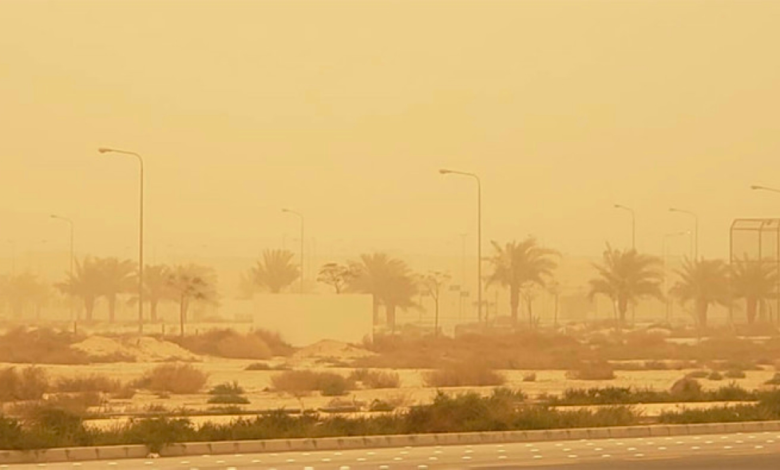

أعلن المركز الإقليمي للإنذار المبكر بالعواصف الرملية والغبارية، ومقره الرياض، عن رصده 74 ساعة من الحالات الغبارية في عدد من دول الإقليم يوم 10 مايو، وذلك في إطار جهوده المستمرة لمتابعة الظواهر الجوية المؤثرة وتعزيز منظومة الإنذار المبكر للحد من آثارها السلبية.
السياق العام: ظاهرة متكررة في حزام الغبار العالمي
تُعد العواصف الغبارية والرملية ظاهرة طبيعية شائعة في منطقة الشرق الأوسط وشمال أفريقيا، التي تقع ضمن ما يُعرف بـ “حزام الغبار العالمي”. وتنشأ هذه العواصف نتيجة لعدة عوامل طبيعية، أبرزها وجود مساحات شاسعة من الأراضي الصحراوية القاحلة والرياح القوية، مثل رياح “الشمال” الموسمية. ومع ذلك، شهدت العقود الأخيرة زيادة ملحوظة في وتيرة وشدة هذه العواصف، وهو ما يربطه الخبراء بعوامل بشرية مثل التغير المناخي، والجفاف، والتصحر، وتدهور الأراضي، وتجفيف المسطحات المائية، مما يزيد من تفكك التربة ويجعلها أكثر عرضة للتطاير مع الرياح.
تفاصيل التقرير وتوزيع الحالات الغبارية
أوضح تقرير المركز أن إيران كانت الدولة الأكثر تأثراً، حيث سجلت 19 ساعة غبارية، تلتها الأردن التي سجلت 18 ساعة. وفي المرتبة الثالثة، سجلت كل من باكستان وأوزباكستان 12 ساعة غبارية لكل منهما. كما شهدت المملكة العربية السعودية 10 ساعات من الحالات الغبارية، بينما سجلت دولة الإمارات العربية المتحدة 3 ساعات. وأشار المركز إلى أن بقية دول الإقليم لم تسجل أي حالات غبارية خلال فترة الرصد، مما يعكس التباين الجغرافي في تأثير الأنظمة الجوية المسببة لهذه الظاهرة.
الأهمية والتأثيرات المتوقعة للعواصف الغبارية
تحمل العواصف الغبارية تداعيات واسعة النطاق تتجاوز مجرد إعاقة الرؤية. فعلى الصعيد الصحي، تشكل الجسيمات الدقيقة المحمولة في الهواء خطراً على الجهاز التنفسي، وتزيد من تفاقم حالات الربو والحساسية وأمراض القلب. أما اقتصادياً، فتؤدي إلى شل حركة النقل الجوي والبري، وتلحق أضراراً بالبنية التحتية، وتؤثر سلباً على القطاعات الحيوية كالزراعة والطاقة الشمسية. بيئياً، تساهم في تدهور جودة الهواء والماء والتربة، وتؤثر على النظم البيئية البحرية. إن الطبيعة العابرة للحدود لهذه العواصف تجعلها قضية إقليمية ودولية تتطلب تعاوناً مشتركاً لمواجهة مصادرها والتخفيف من آثارها.
دور المركز وجهود التخفيف
أكد المركز أن عمليات الرصد والتحليل المستمرة تهدف إلى دعم الجهات المختصة بالمعلومات الدقيقة والآنية، بما يسهم في رفع الجاهزية وتعزيز الاستجابة السريعة للتقليل من الآثار الناجمة عن العواصف الغبارية. وجدد المركز دعوته لأفراد المجتمع، ولا سيما الفئات الأكثر عرضة لتأثيرات الغبار كالأطفال وكبار السن والمصابين بأمراض مزمنة، إلى ضرورة متابعة التحديثات الجوية والالتزام بالإرشادات الوقائية الصادرة عن الجهات الرسمية، وذلك ضمن رسالته التوعوية المستمرة تحت شعار: #نرصد_نبحث_نحذر.