
استعدادات مبكرة لموسم الحج القادم
في خطوة استباقية تهدف إلى رفع مستوى الخدمات المقدمة لضيوف الرحمن، كشفت وزارة الحج والعمرة في المملكة العربية السعودية عن الدليل التنظيمي المحدث لخدمات الإعاشة لموسم حج عام 1447هـ. تتضمن الضوابط الجديدة منظومة تشغيلية ورقابية متكاملة تهدف إلى ضمان جودة وسلامة الوجبات الغذائية المقدمة للحجاج في المشاعر المقدسة، مع التركيز بشكل خاص على منع الممارسات السلبية مثل العقود الوهمية والإعاشة بالباطن.
السياق العام وأهمية تطوير الخدمات
يأتي هذا التحديث في إطار الجهود المستمرة التي تبذلها المملكة العربية السعودية لتحسين تجربة الحج، والتي تعد من أكبر التجمعات البشرية السنوية في العالم. تاريخيًا، شكلت إدارة خدمات ملايين الحجاج تحديًا لوجستيًا هائلاً، خاصة في مجال التغذية الذي يرتبط مباشرة بصحة وسلامة ضيوف الرحمن. وتنسجم هذه الإجراءات مع أهداف رؤية المملكة 2030، التي تضع خدمة الحجاج والمعتمرين على رأس أولوياتها، وتسعى إلى توفير رحلة إيمانية آمنة وميسرة لهم منذ وصولهم وحتى مغادرتهم.
التأثير المتوقع للضوابط الجديدة
من المتوقع أن يكون لهذه الضوابط تأثير إيجابي متعدد الأبعاد. على الصعيد المحلي، ستساهم في تنظيم سوق خدمات الإعاشة، ورفع مستوى الاحترافية لدى الشركات العاملة في هذا القطاع، وضمان التزامها بأعلى معايير الجودة والسلامة. أما على الصعيد الدولي، فإن هذه الإجراءات تعزز ثقة حجاج الخارج في الخدمات المقدمة، وتؤكد على الدور الريادي للمملكة في إدارة وتنظيم شؤون الحج، مما ينعكس إيجابًا على سمعتها كوجهة دينية عالمية تضع راحة وسلامة ضيوفها في المقام الأول.
منع العقود الوهمية وحماية حقوق الحجاج
شددت التعليمات الجديدة على ضرورة إبرام شركات تقديم الخدمة لعقود حصرية ومباشرة مع متعهدي إعاشة مؤهلين ومعتمدين من أمانة العاصمة المقدسة. وألزمت الوزارة بأن تتم جميع التعاقدات عبر منصة “نسك مسار” لضمان الشفافية ومنع تجاوز الطاقة التشغيلية المحددة لكل متعهد. كما حظرت الوزارة بشكل قاطع إبرام عقود إعاشة “وهمية” أو “بالباطن” مع جهات غير مرخصة، مؤكدة أن مثل هذه الممارسات تعد مخالفة صريحة للأنظمة. وأوضحت أن المسؤولية الكاملة عن تقديم الخدمة تقع على عاتق شركة تقديم الخدمة، حتى في حال إخفاق المتعهد، مما يضعها تحت طائلة العقوبات النظامية والتعويضات للحجاج المتضررين.
خطط تفصيلية لمواجهة الطوارئ
لضمان استمرارية الخدمة دون انقطاع، ألزمت الوزارة الشركات بإعداد خطط تفصيلية لخدمات الإعاشة في المشاعر المقدسة، تشمل جاهزية المواقع، وقائمة المتعهدين، وبرنامج الوجبات اليومي. كما تضمنت الاشتراطات وجود خطط طوارئ محكمة لمواجهة أي قصور، تشمل توفير وجبات خفيفة “سناك” ذات صلاحية متوسطة وطويلة مثل التمور والمعمول والمعجنات والعصائر والمكسرات، بهدف سد أي نقص طارئ ومنع تأخر تقديم الوجبات الأساسية للحجاج.
رقابة صحية مشددة لضمان سلامة الغذاء
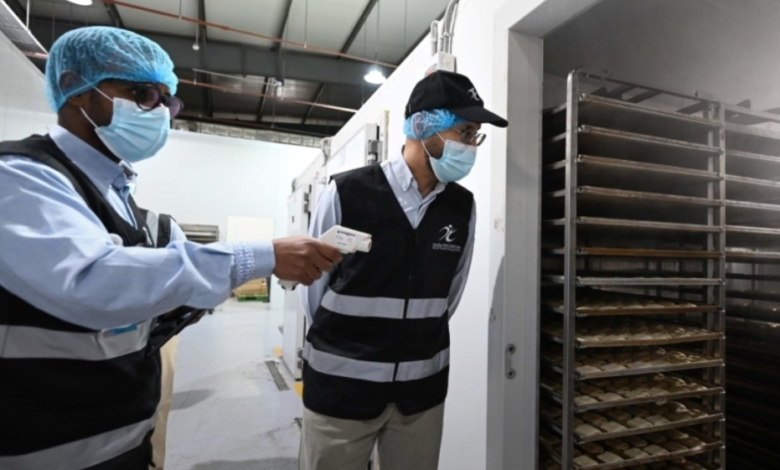
في جانب الرقابة الصحية، فرضت التعليمات على كل مركز خدمة في مشعر منى توظيف مراقب صحي متخصص في سلامة الغذاء كحد أدنى. ويشترط أن يكون المراقب حاصلاً على مؤهل في الصحة العامة أو التغذية أو شهادات مهنية معتمدة في سلامة الغذاء (مثل HACCP و ISO 22000). كما ألزمت الشركات بتوفير أجهزة قياس درجات الحرارة وزيت الطعام، والتأكد من التزام العاملين بالزي الصحي الوقائي الكامل الذي يشمل القفازات والكمامات وغطاء الرأس.
تنظيم أنواع الوجبات وآليات تقديمها
حددت التعليمات أنواع الوجبات المسموح بالتعاقد عليها في أربع فئات رئيسية: الوجبات المجمدة، والمعقمة “فورية التجهيز”، والمبردة، بالإضافة إلى الوجبات الجافة الخفيفة، مع اشتراط مطابقتها لمواصفات الهيئة العامة للغذاء والدواء. ونظمت الوزارة آليات تقديم الوجبات الساخنة، حيث اشترطت للوجبات المطهية خارج المشاعر وجود إشراف صحي ومركبات مرخصة لنقل الغذاء، بينما ألزمت بأن يتم تجهيز الوجبات المطهية داخل المشاعر في مواقع المتعهدين المعتمدة في مكة المكرمة قبل نقلها إلى المشاعر، مع الالتزام الكامل بالاشتراطات الصحية والتنظيمية.