Security Council fails on Strait of Hormuz resolution: repercussions and impact

Diplomatic failure at the Security Council regarding the Strait of Hormuz
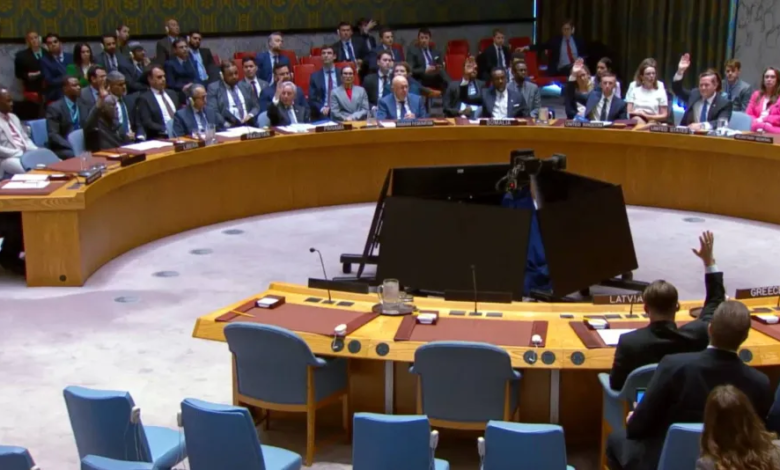
The UN Security Council failed to reach a consensus and adopt a crucial resolution on enhancing security and freedom of navigation in the Strait of Hormuz. This failure comes amid escalating geopolitical tensions in the Middle East, as member states differed on the final wording of the draft resolution, preventing it from securing enough votes or avoiding a veto. This diplomatic setback reflects the deep divisions within the international community on how to address the security of this vital waterway.
General context and historical background of the Strait of Hormuz
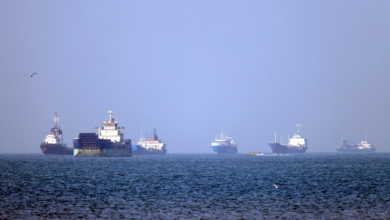
The Strait of Hormuz, located between Oman and Iran and connecting the Persian Gulf and the Gulf of Oman to the Arabian Sea and the Indian Ocean, is one of the world's most important strategic and economic waterways. Historically, the strait has been the scene of numerous conflicts and tensions, most notably the "Tanker War" during the Iran-Iraq War in the 1980s. In recent years, incidents of the seizure and targeting of commercial vessels and oil tankers have become more frequent, prompting several major powers to call for the formation of international maritime coalitions to ensure freedom of navigation and secure global energy supplies.
The strategic importance and impact of the absence of international consensus
The Strait of Hormuz is of paramount importance as the main artery for global oil flows, with approximately 20 to 30 percent of total global oil consumption passing through it daily, in addition to vast quantities of liquefied natural gas. Therefore, any threat or suggestion of closing the strait has an immediate impact on energy markets.
Regional Impact: At the local and regional levels, the Security Council's failure to adopt a resolution protecting navigation is causing increasing concern among the Gulf Arab states, which rely almost entirely on this waterway to export their energy resources to Asian and Western markets. The absence of a unified international security umbrella may push the region's countries to strengthen their own defense capabilities or seek alternative bilateral alliances to guarantee the security of their territorial waters.
International and economic impact: Internationally, this failure sends a negative message to financial and business markets, as oil prices are closely linked to security stability in the Middle East. Continued uncertainty could lead to higher shipping insurance costs, which will ultimately affect the prices of finished goods and inflation rates in consuming countries.
The future of maritime security amid divisions
The Security Council's inability to reach a unified position on the security of the Strait of Hormuz demonstrates the extent to which great power rivalry impacts international peace and security. While diplomatic efforts continue outside the UN framework, the greatest challenge remains finding a sustainable mechanism that guarantees freedom of navigation and prevents the region and the world from experiencing disastrous economic and military crises. The stability of the Strait of Hormuz is not merely a regional issue; it is essential for the stability of the entire global economy.