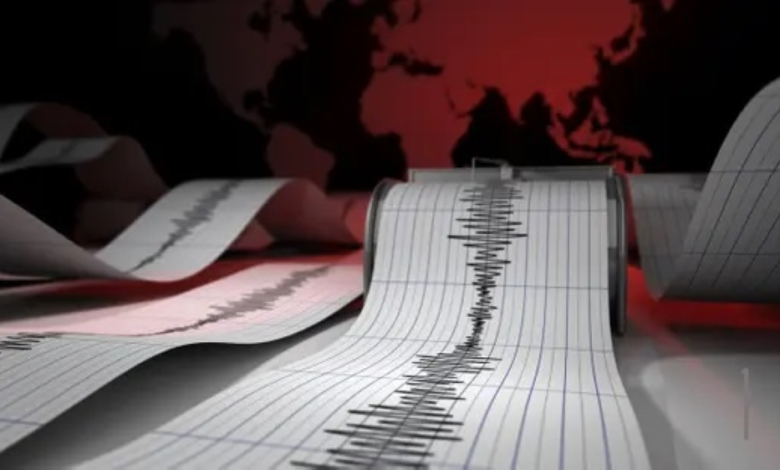

Indonesia's Meteorology, Climatology, and Geophysics Agency (BMKG) reported a strong earthquake measuring 6.0 on the Richter scale off the coast of Timor Island on Tuesday. Authorities confirmed the quake's epicenter was 31 kilometers below the seabed and stated there was no tsunami threat. This earthquake comes just one day after a powerful tremor struck northern Japan, further highlighting the intense seismic activity in the Pacific Ocean region.
Geological context: The Ring of Fire
Both Indonesia and Japan lie within Ring of Fire , a vast geological arc stretching 40,000 kilometers. This region is the most seismically and volcanically active in the world, experiencing approximately 90% of the world's earthquakes. This activity is due to the movement of major tectonic plates, where the Pacific Plate meets and collides with smaller plates such as the Philippine and Eurasian Plates. This constant friction between the plates leads to a massive buildup of energy that is suddenly released in the form of powerful earthquakes, keeping the countries of this region on constant alert.
The importance of the event and its expected impact
Although the Timor earthquake did not trigger a tsunami warning, its close proximity to the Japanese earthquake has garnered the attention of geologists and served as a constant reminder to the region's residents of the ever-present dangers. Indonesia has a tragic history with earthquakes and tsunamis, most notably the devastating 2004 disaster that claimed hundreds of thousands of lives. Since then, the country has developed sophisticated early warning systems to monitor any underwater seismic activity that could lead to similar catastrophes. The swift announcement that there was no tsunami threat following the Timor earthquake underscores the effectiveness of these systems in reassuring the public and preventing panic.
It coincided with the Japan earthquake
A 7.5-magnitude earthquake struck northern Japan on Monday, specifically off the coast of Iwate Prefecture in the Pacific Ocean. The tremor shook massive buildings in Tokyo, hundreds of kilometers from the epicenter, and Japanese authorities immediately issued a tsunami warning for waves up to three meters high. An 80-centimeter tsunami wave was indeed detected in the port of Kuji about 40 minutes after the earthquake. These successive events at two major poles of the Ring of Fire highlight the interconnected and volatile nature of geological activity in this vital region of the world.