Trump: The Strait of Hormuz is open and Iran will not possess a nuclear weapon

US assurances regarding maritime security in the Strait of Hormuz
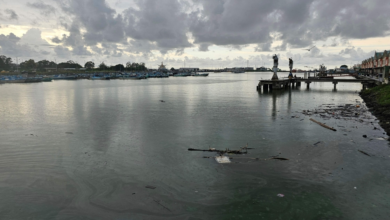
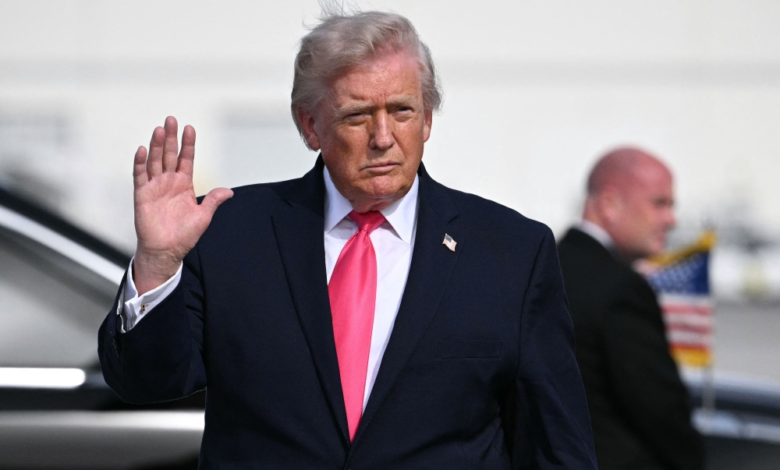
In a significant development on the international political stage, US President Donald Trump declared that the Strait of Hormuz is now fully open to commercial shipping and oil tankers, sending a strong message of reassurance to global markets. These remarks come at a time when attention is focused on maritime security in the Middle East, a vital artery for global energy supplies. Trump affirmed that ongoing processes and diplomatic efforts to reach a comprehensive agreement with Iran are progressing well, indicating tangible progress in the current negotiations.
The firm American position: No nuclear weapons for Iran
In a related development concerning the Iranian nuclear program, which has long been a source of concern for the international community, the US president, according to Al-Ekhbariya TV, emphasized in a decisive tone that Tehran will never possess a nuclear weapon. This stance reflects Washington's steadfast strategy aimed at curbing Iran's nuclear capabilities and preventing an arms race in the region. Trump indicated that talks and negotiations on this matter would continue at the beginning of the week, with the goal of reaching an agreement that guarantees regional and international security and stability.
The strategic importance of the Strait of Hormuz and its historical background
To understand the implications of these statements, one must consider the geopolitical and economic importance of the Strait of Hormuz. The strait is one of the world's most vital waterways, connecting the Persian Gulf, the Gulf of Oman, and the Arabian Sea. Historically, approximately one-fifth of the world's crude oil supply passes through this narrow strait, making it a strategically critical chokepoint. In the past, the strait has witnessed numerous tensions, with Tehran threatening to close it on several occasions in response to economic sanctions, a move that has consistently raised concerns about global energy crises. Therefore, the American insistence on keeping it open represents a victory for efforts to secure international trade routes.
Expected impact at the regional and international levels
These developments have far-reaching implications. At the international economic level, ensuring continued freedom of navigation through the Strait of Hormuz contributes to the stability of global oil prices and protects the global economy from potential inflationary shocks. At the regional level, the commitment to preventing Iran from acquiring nuclear weapons is a cornerstone for reassuring US allies in the Middle East and helps reduce the geopolitical tensions that have plagued the region for decades. The success of the current negotiations could usher in a new era of relative calm, provided all parties adhere to international treaties and the laws of freedom of navigation.
Trump: Iran will never have a nuclear weapon — Al-Ekhbariya Breaking News (@alekhbariyaBRK) April 17, 2026