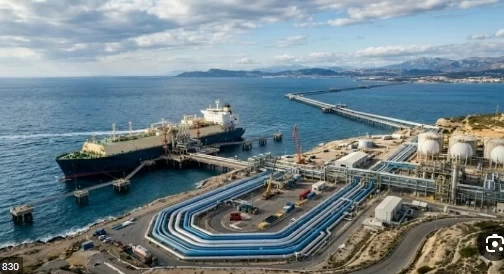

تشير أحدث التقارير المتخصصة في أسواق الطاقة إلى أن أسعار الغاز الطبيعي المسال الفورية مرشحة للارتفاع والبقاء عند مستويات مرتفعة حتى نهاية عام 2026. ويأتي هذا التوقع في ظل مجموعة معقدة من العوامل، أبرزها المنافسة الشديدة بين الأسواق الأوروبية والآسيوية، ومحدودية نمو المعروض العالمي قبل دخول مشاريع إنتاج جديدة حيز التنفيذ، بالإضافة إلى التوترات الجيوسياسية المستمرة التي تهدد استقرار سلاسل الإمداد.
خلفية تاريخية: تحول جذري في خريطة الطاقة العالمية
شهد سوق الغاز الطبيعي المسال تحولاً تاريخياً بعد عام 2022، حيث أدت الحرب في أوكرانيا إلى قيام أوروبا بتقليص اعتمادها بشكل شبه كامل على الغاز الروسي الذي كان يتدفق عبر خطوط الأنابيب. هذا التحول الاستراتيجي دفع القارة الأوروبية، التي كانت مستورداً هامشياً للغاز المسال، لتصبح أكبر مشترٍ في السوق الفورية عالمياً. ونتيجة لذلك، دخلت أوروبا في منافسة مباشرة مع المشترين التقليديين في آسيا، مثل اليابان وكوريا الجنوبية والصين، مما أدى إلى تغيير جذري في ديناميكيات العرض والطلب وساهم في موجة ارتفاعات قياسية في الأسعار.
عوامل رئيسية تدفع الأسعار للارتفاع
أفاد التقرير بأن الربع الأول من العام الجاري كان مليئاً بالمفاجآت التي عززت هذا الاتجاه. ففي أواخر يناير وأوائل فبراير، شهدت الولايات المتحدة موجة برد قارس أدت إلى زيادة الطلب المحلي وقيّدت مؤقتاً بعض صادرات الغاز المسال الأمريكية، مما دفع الأسعار الفورية للارتفاع. كما أدت قوة الطلب في حوض الأطلسي إلى سحب شحنات من أستراليا عبر مسارات غير معتادة إلى وجهات مثل كندا وتركيا وتشيلي، مما يعكس حالة الشد في السوق.
وتشير التوقعات إلى أن صادرات الغاز المسال العالمية لن تشهد نمواً كبيراً قبل عام 2026، بل قد تنكمش قليلاً، مما سيطيل فترة ضيق السوق. هذا الوضع سيتفاقم مع عودة دول حساسة للسعر مثل باكستان إلى السوق لشراء الشحنات الفورية، مما يزيد من حدة المنافسة.
التأثير المتوقع على الأسواق الإقليمية والدولية
على الصعيد الدولي، يعني استمرار ارتفاع الأسعار ضغطاً اقتصادياً على الدول المستوردة، وتهديداً لأمن الطاقة في الدول النامية التي قد لا تتمكن من منافسة القوة الشرائية الأوروبية. ومن المتوقع أن ترتفع الأسعار إلى مستوى 20 دولاراً لكل مليون وحدة حرارية بريطانية مع عودة المشترين الآسيويين بقوة. وفي حال تصاعدت المنافسة خلال فصل الشتاء القادم، خاصة إذا كان بارداً وانخفضت مستويات التخزين في أوروبا، فقد تقفز الأسعار مجدداً لتتجاوز 30 دولاراً لكل مليون وحدة حرارية بريطانية، وهو ما يذكرنا بمستويات الأزمة التي شهدها عام 2022.
كما تلعب التوترات الجيوسياسية في الشرق الأوسط، وتحديداً المخاطر المحيطة بمضيق هرمز، دوراً حاسماً في زيادة علاوة المخاطر على الأسعار. أي تعطيل للملاحة في هذا الممر المائي الحيوي قد يؤدي إلى صدمة في الإمدادات ترفع الأسعار بشكل حاد في جميع أنحاء العالم.