
في خطوة تمثل تصعيداً خطيراً في الحرب الاقتصادية الدائرة في اليمن، أقدمت جماعة الحوثي على استهداف أصول واحد من أكبر المصارف التجارية في البلاد، مما ينذر بتعميق الانقسام المالي ويهدد بانهيار شامل للقطاع المصرفي الذي يعاني أصلاً من تداعيات سنوات الحرب الطويلة.
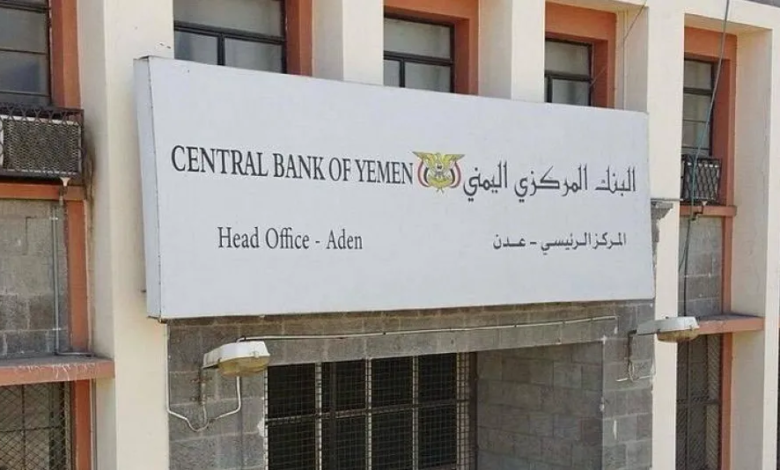
يأتي هذا الإجراء في سياق صراع ممتد بين الحكومة اليمنية المعترف بها دولياً، والتي تتخذ من عدن مقراً مؤقتاً لها، وجماعة الحوثي التي تسيطر على العاصمة صنعاء ومناطق واسعة في شمال البلاد. هذا الصراع لم يقتصر على الجبهات العسكرية، بل امتد ليشمل حرباً اقتصادية شرسة، كان من أبرز فصولها انقسام البنك المركزي اليمني إلى فرعين في صنعاء وعدن، وإصدار عملات نقدية مختلفة، مما أدى إلى فوضى نقدية واختلاف في أسعار الصرف بين المناطق.
خلفية الصراع المصرفي
تصاعدت وتيرة الحرب الاقتصادية مؤخراً بعد قرار البنك المركزي في عدن إلزام كافة البنوك التجارية والإسلامية بنقل مقراتها الرئيسية من صنعاء إلى عدن خلال فترة زمنية محددة. وقد اعتبرت جماعة الحوثي هذا القرار بمثابة إعلان حرب اقتصادية، وتوعدت باتخاذ إجراءات مضادة وصفتها بـ “الموجعة”. ويُنظر إلى استهداف أصول البنوك الكبرى التي قد تمتثل لقرار النقل على أنه أولى هذه الإجراءات الانتقامية، بهدف الضغط على القطاع المصرفي ومنعه من الانصياع لقرارات حكومة عدن.
أهمية الحدث وتأثيره المتوقع
إن استهداف القطاع المصرفي اليمني يحمل في طياته تداعيات كارثية على كافة المستويات:
- على المستوى المحلي: يهدد هذا الإجراء بتعطيل الخدمات المالية الأساسية لملايين اليمنيين، بما في ذلك صرف رواتب الموظفين، وتحويلات المغتربين التي تشكل شريان حياة رئيسياً للاقتصاد، وعمليات المنظمات الإنسانية التي تعتمد على البنوك في إيصال المساعدات. كما أنه يقوض الثقة المتبقية في النظام المصرفي، وقد يدفع المودعين إلى سحب أموالهم، مما قد يؤدي إلى أزمة سيولة حادة وانهيار بنوك بأكملها.
- على المستوى الإقليمي والدولي: يزيد هذا التصعيد من تعقيد المشهد اليمني ويقوض جهود السلام. كما أنه يعرقل عمل المجتمع الدولي والمنظمات الإغاثية، ويجعل من الصعب على الشركات الدولية التعامل مع السوق اليمنية. إن انهيار القطاع المصرفي الرسمي قد يؤدي إلى ازدهار السوق السوداء والشبكات المالية غير الرسمية، مما يصعّب تتبع الأموال ومكافحة غسيل الأموال وتمويل الإرهاب.
ويخشى المراقبون أن يكون هذا الاستهداف بداية لسلسلة من الإجراءات التي ستؤدي إلى شلل تام للاقتصاد اليمني، مما يفاقم الأزمة الإنسانية الأسوأ في العالم، ويدفع بملايين السكان إلى حافة المجاعة.