The leadership congratulates the President of Gambia on Independence Day, affirming the depth of relations

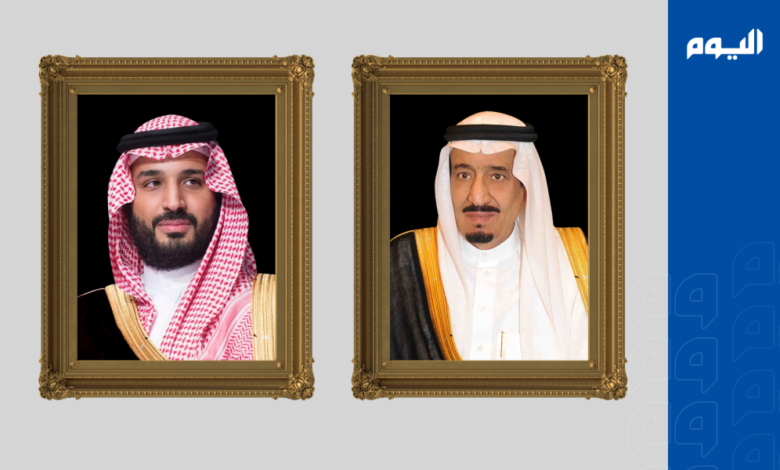
The Custodian of the Two Holy Mosques, King Salman bin Abdulaziz Al Saud, and His Royal Highness Crown Prince Mohammed bin Salman bin Abdulaziz Al Saud, Prime Minister, sent congratulatory cables to His Excellency President Adama Barrow of the Republic of The Gambia on the occasion of his country's Independence Day. These cables reflect the high diplomatic protocols upheld by the Kingdom of Saudi Arabia to strengthen ties of friendship and cooperation with brotherly and friendly nations on various national occasions.
Details of congratulatory telegrams
In his telegram, the Custodian of the Two Holy Mosques expressed his sincerest congratulations and best wishes for good health and happiness to His Excellency, and for continued progress and prosperity to the government and people of the Republic of The Gambia. For his part, His Royal Highness the Crown Prince conveyed his warmest congratulations and best wishes for good health and happiness to His Excellency President Adama Barrow, and expressed his hopes for further progress and development for the government and people of The Gambia. These messages reflect the wise leadership's keenness to share in the national celebrations of Islamic and African nations, thus reinforcing the Kingdom's position as a pivotal state in the Islamic world.
The historical context of Gambia's independence
The Republic of The Gambia celebrates its independence from the British Empire on February 18th each year, an event that took place in 1965. Located in West Africa, bordered by Senegal on three sides and bisected by the Gambia River, The Gambia is one of the smallest countries on the African mainland, yet it boasts a rich history of peaceful struggle for freedom. Following independence, The Gambia became a member of the Commonwealth and transitioned to a republic in 1970. For the Gambian people, this day symbolizes national sovereignty and the beginning of building a modern state and its institutions.
Saudi-Gambian relations
The Kingdom of Saudi Arabia and the Republic of The Gambia share close and historical ties based on Islamic brotherhood and mutual cooperation, as The Gambia is an active member of the Organization of Islamic Cooperation. Relations between the two countries have witnessed remarkable development in recent years, encompassing development and economic sectors. Through the Saudi Fund for Development, the Kingdom contributes to supporting numerous infrastructure and sustainable development projects in The Gambia, reflecting its commitment to supporting developing and brotherly nations in achieving economic and social stability.
The importance and impact of the event
This congratulatory message holds particular significance in light of current global challenges, as it underscores the Kingdom of Saudi Arabia's continued political and moral support for the Republic of The Gambia. Exchanging greetings on such occasions is not merely a matter of protocol, but a political message affirming the strength of bilateral relations and the shared desire to develop them further in a way that serves the interests of both brotherly nations and contributes to enhancing security and stability in West Africa.