
Tighter controls to ensure the safety of pilgrims
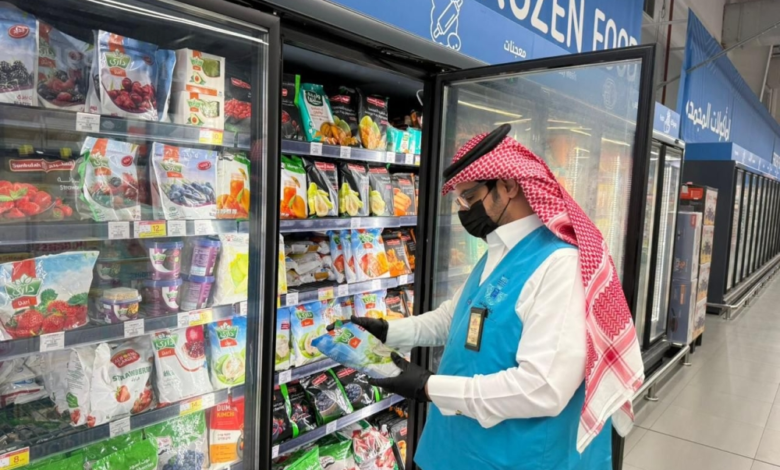
With the Hajj season approaching, the Saudi Food and Drug Authority (SFDA) has emphasized the necessity for all food establishments, including factories and warehouses, to adhere to the provisions of the Food Law and its implementing regulations. The SFDA stressed that the safety of food and medicine for pilgrims to the Holy Mosque is a paramount priority that cannot be compromised. This emphasis comes as part of the government's intensive efforts to ensure a healthy and safe environment for millions of pilgrims arriving from around the world.
General context and importance of procedures during the Hajj season
The Hajj pilgrimage is the world's largest annual religious gathering, drawing millions of Muslims to Mecca and the holy sites. This massive influx presents exceptional logistical and health challenges, with food and water safety being a top priority to prevent outbreaks of foodborne illnesses. Historically, the Kingdom's government has placed increasing emphasis on developing infrastructure and services for pilgrims, and food safety measures are an integral part of the comprehensive health security system. With such large numbers of people in a limited geographical area, any laxity in safety standards can have serious consequences, necessitating the highest levels of monitoring and rigorous enforcement.
Details of the controls and deterrent penalties
The authority clarified that violations subjecting perpetrators to penalties include engaging in any activity related to the manufacturing or storage of food products without obtaining the necessary regulatory licenses. It also emphasized the prohibition of storing products outside the boundaries of the licensed facility and banned the reopening of facilities that were closed due to violations until all regulatory requirements are met and official approval is obtained. The authority affirmed that trading in any products that violate the approved regulations and requirements will subject facility owners to severe penalties, which may include:
- Financial penalties of up to 10 million Saudi Riyals.
- Imprisonment for up to 10 years.
- The offender is prohibited from engaging in any food-related activity for up to 180 days.
- Cancellation or suspension of the license for a period not exceeding one full year.
Local and international impact of ensuring food safety
The importance of these measures extends beyond the local level to encompass regional and international dimensions. Locally, these controls contribute to protecting the health of citizens, residents, and pilgrims, and prevent strain on the healthcare system due to food poisoning incidents. Internationally, the Kingdom's success in ensuring food safety for millions of pilgrims reinforces its position as a nation capable of efficiently and effectively managing the largest human gatherings. It also sends a reassuring message to the countries from which pilgrims come, emphasizing that the health and safety of their citizens is a top priority for the Kingdom. Adherence to these stringent standards raises the level of compliance and enhances the overall safety of food products, thus serving the goals of the Kingdom's Vision 2030 to improve quality of life. The Authority called on everyone, including members of the community, to report any observed violations by calling the unified number (19999).