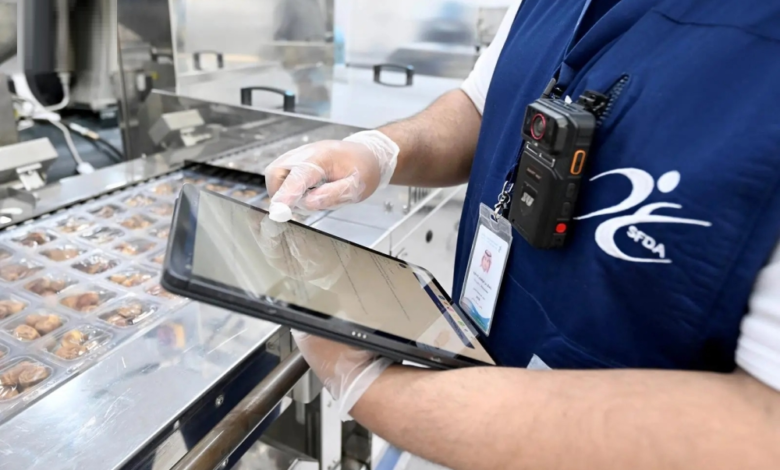

في خطوة رائدة تعكس التزام المملكة العربية السعودية بتوظيف أحدث التقنيات لخدمة ضيوف الرحمن، كشفت الهيئة العامة للغذاء والدواء عن إطلاق مبادرة نوعية تتمثل في استخدام الكاميرات الجسدية ضمن أعمال التفتيش الميداني خلال موسم الحج. تأتي هذه الخطوة الاستراتيجية لتعزيز كفاءة الرقابة وضمان أعلى معايير السلامة للأغذية والأدوية.
تتميز الكاميرات الجسدية الجديدة بخصائص تقنية متقدمة، تشمل إمكانية البث المباشر لمركز العمليات، والتواصل الصوتي اللحظي مع الفرق الرقابية أثناء أداء المهام الميدانية. هذا التطور يتيح تقديم الدعم الفني والقانوني الفوري للمفتشين، بالإضافة إلى تفعيل خدمات الاستغاثة والطوارئ، مما يعزز من سلامة الفرق الرقابية ويضمن سرعة الاستجابة للحالات العاجلة في المشاعر المقدسة.
السياق التاريخي والتحول الرقمي في خدمة الحجاج
تاريخياً، أولت حكومة المملكة العربية السعودية اهتماماً بالغاً بصحة وسلامة الحجاج، حيث تطورت آليات الرقابة الصحية والغذائية على مر العقود لتواكب تزايد أعداد الحجاج. ومع انطلاق رؤية السعودية 2030، وتحديداً برنامج “خدمة ضيوف الرحمن”، شهدت منظومة العمل الحكومي تحولاً رقمياً شاملاً. ويُعد إدخال التقنيات القابلة للارتداء، مثل الكاميرات الجسدية، امتداداً طبيعياً لهذا التطور التاريخي، حيث تسعى المملكة للتحول من الأساليب التقليدية في التفتيش إلى أنظمة ذكية تعتمد على البيانات اللحظية والاتصال المباشر.
مركبات التدخل السريع وتقنيات الفحص المتقدمة
لم تقتصر التجهيزات على الكاميرات الجسدية فحسب، بل شملت تشغيل مركبات تدخل سريع ميدانية مصممة لدعم سرعة الوصول والتعامل مع البلاغات والحالات الطارئة. تم تزويد الفرق الرقابية بمركبات مجهزة بأحدث الأدوات والتجهيزات الميدانية، بما في ذلك ثلاجات مخصصة لحفظ العينات الغذائية والدوائية أثناء النقل، مما يضمن المحافظة على سلامتها وجودتها لحين استكمال أعمال الفحص والتحليل المخبري.
علاوة على ذلك، عززت “الغذاء والدواء” أعمالها التشغيلية باستخدام أجهزة اتصال لاسلكي متطورة تتيح التواصل الفوري بين الفرق الميدانية ومركز عمليات الحج. كما تم توفير أجهزة تقنية متقدمة للكشف السريع عن الأدوية والمواد الكيميائية، وأجهزة أخرى للتحقق الميداني السريع من سلامة ومطابقة المستحضرات الدوائية، مما يسهم بشكل فعال في رصد المنتجات المخالفة أو مجهولة المصدر.
الأهمية والتأثير: محلياً، إقليمياً، ودولياً
يحمل هذا التطور التقني أبعاداً وتأثيرات واسعة النطاق. على الصعيد المحلي، يسهم في رفع كفاءة الأجهزة الرقابية السعودية، ويقلل من المخاطر الصحية التي قد تنجم عن الأغذية أو الأدوية الفاسدة في بيئة الحج المكتظة. أما على الصعيدين الإقليمي والدولي، فإن هذه الإجراءات الصارمة والمتقدمة تضع المملكة في ريادة الدول التي تدير الحشود المليونية، وتقدم نموذجاً عالمياً يُحتذى به في إدارة الصحة العامة خلال التجمعات البشرية الضخمة. كما أنها تبعث برسالة طمأنينة للدول الإسلامية وللحجاج القادمين من شتى بقاع الأرض بأن صحتهم وسلامتهم في أيدٍ أمينة وتخضع لأدق معايير الرقابة.
منظومة رقابية متكاملة لسلامة ضيوف الرحمن
تأتي هذه الممكنات التقنية ضمن منظومة رقابية متكاملة تنفذها الهيئة العامة للغذاء والدواء خلال موسم الحج، بهدف دعم كفاءة الأعمال الميدانية، وتعزيز سرعة اتخاذ القرار. إن هذه الجهود المتواصلة تسهم في حماية صحة وسلامة ضيوف الرحمن وفق أعلى المعايير الرقابية والتشغيلية، بما يعكس اهتمام القيادة الرشيدة بتقديم أفضل الخدمات لحجاج بيت الله الحرام، وتمكينهم من أداء مناسكهم بأمن وطمأنينة.