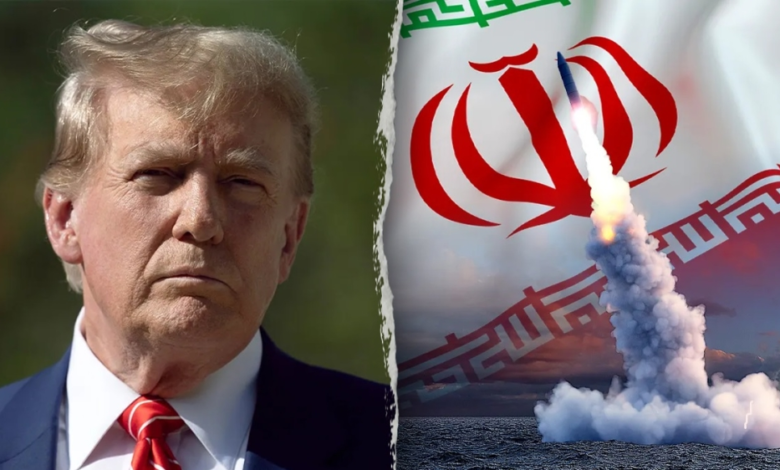

New death toll from the conflict in Iran
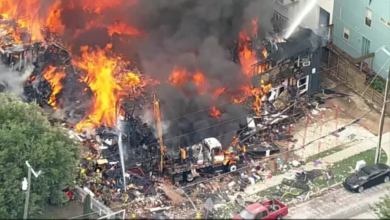
Iran's Martyrs and Veterans Foundation released new and detailed statistics on Saturday regarding the number of casualties in the recent conflict. According to the data, approximately 3,500 people were killed during the clashes that erupted in late February, which included military tensions with the United States and Israel. These figures highlight the significant human cost of this escalation.
Details and statistics of civilian and military casualties
The Iranian Students' News Agency (ISNA) quoted the head of the organization, Ahmad Mousavi, as saying that "official files have been opened for 3,468 martyrs who fell during the recent conflict." These figures align with a previous toll announced by the Iranian Forensic Medicine Organization on April 12, which reported 3,375 deaths. Meanwhile, the Human Rights Activists News Agency (HRANA), a US-based NGO, provided an independent count as of April 7, documenting the deaths of at least 3,636 people. The organization stated that among the victims were 1,701 civilians, including at least 254 children, and 1,221 military personnel, while the status of 714 others remains undetermined.
General context and historical background of the tensions
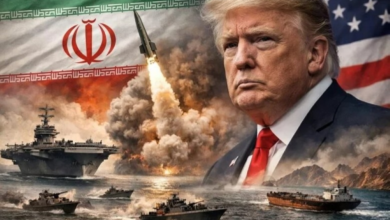
These developments on the ground come within a complex historical context of decades-long geopolitical tensions between Tehran on one side, and Washington and Tel Aviv on the other. For many years, the region has been experiencing what is known as a “shadow war,” which has included reciprocal cyberattacks, targeting of vital infrastructure, and ongoing tensions in strategic waterways, particularly the Strait of Hormuz, a vital artery for global energy supplies. These disputes have repeatedly escalated due to the Iranian nuclear program and conflicting strategic interests in the Middle East, making the region perpetually vulnerable to direct confrontations.
The importance of the event and its expected impact locally and internationally
This conflict and its high death toll have profound repercussions on several levels. Domestically, the large number of casualties poses enormous social and economic challenges for Iran and further strains its healthcare infrastructure. Regionally, the military escalation threatens to widen the conflict, jeopardizing maritime security in the Arabian Gulf and directly impacting the stability of global oil markets. Internationally, these events place a significant responsibility on the international community to intensify diplomatic efforts and prevent the region from sliding into a full-blown war that could have catastrophic consequences for the global economy and security.
Pakistani mediation and ceasefire
In an attempt to contain the crisis, a ceasefire agreement went into effect on the night of April 7-8, lasting for two weeks. This agreement was the result of diplomatic mediation led by Pakistan, which plays a pivotal role as a bridge in the region due to its geographic location and diplomatic relations. The truce includes serious negotiations aimed at a permanent end to the conflict. However, independent documentation efforts face significant challenges; international news agencies, such as Agence France-Presse, are unable to freely access strike sites and independently verify the death toll due to strict media restrictions.