
تصعيد في الخطاب الأمريكي تجاه إيران
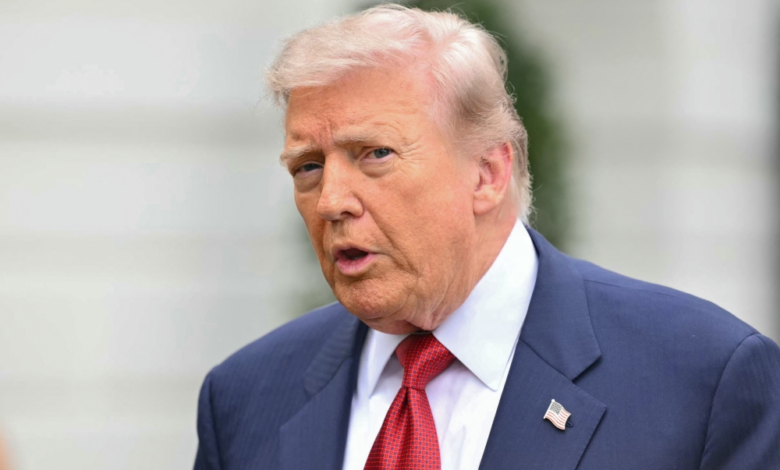
في تصريح يعكس حجم التوتر الذي ساد العلاقات الأمريكية الإيرانية خلال فترة رئاسته، جدد الرئيس الأمريكي السابق دونالد ترامب تحذيراته لطهران، مؤكداً أن الجيش الأمريكي يمتلك القدرة على استهداف وتدمير كافة الأهداف الحيوية في إيران خلال فترة لا تتجاوز أسبوعين. جاء هذا التصريح خلال مقابلة مع الصحافية شيريل أتكيسون، حيث اعتبر ترامب أن إيران قد “هُزمت عسكرياً” في المواجهات غير المباشرة التي خاضتها ضد واشنطن وحلفائها.
خلفية التوتر: سياسة الضغط الأقصى
تعود جذور هذه التصريحات إلى السياسة التي انتهجتها إدارة ترامب والمعروفة باسم “حملة الضغط الأقصى”. بدأت هذه السياسة بشكل فعلي في مايو 2018 عندما أعلن ترامب انسحاب الولايات المتحدة من الاتفاق النووي الإيراني (خطة العمل الشاملة المشتركة)، الذي تم توقيعه في عام 2015. تبع هذا الانسحاب إعادة فرض عقوبات اقتصادية قاسية على إيران بهدف شل اقتصادها وإجبارها على العودة إلى طاولة المفاوضات للتوصل إلى اتفاق جديد أكثر شمولاً يعالج برنامجها النووي والصاروخي ونفوذها الإقليمي.
أهمية الحدث وتأثيره المتوقع
كانت لتصريحات ترامب ولسياسة الضغط الأقصى تداعيات كبيرة على المستويات المحلية والإقليمية والدولية.
- على الصعيد الإقليمي: أدت هذه السياسة إلى تصاعد التوترات في منطقة الخليج العربي، حيث شهدت المنطقة حوادث خطيرة، بما في ذلك هجمات على ناقلات نفط في مضيق هرمز، وإسقاط إيران لطائرة استطلاع أمريكية مسيرة في يونيو 2019، وهو الحادث الذي كاد أن يؤدي إلى توجيه ضربة عسكرية أمريكية لإيران قبل أن يلغيها ترامب في اللحظات الأخيرة.
- على الصعيد الدولي: أحدثت هذه التهديدات شرخاً في العلاقات بين الولايات المتحدة وحلفائها الأوروبيين، الذين حاولوا الحفاظ على الاتفاق النووي. كما أثارت قلقاً عالمياً بشأن استقرار إمدادات الطاقة، نظراً للأهمية الاستراتيجية لمضيق هرمز الذي يمر عبره جزء كبير من تجارة النفط العالمية. أي صراع عسكري في هذه المنطقة كان من شأنه أن يؤدي إلى ارتفاع هائل في أسعار النفط، مما يؤثر سلباً على الاقتصاد العالمي.
انتقادات لحلفاء الناتو
لم تقتصر تصريحات ترامب على إيران وحدها، بل وجه أيضاً انتقادات لحلف شمال الأطلسي (الناتو)، واصفاً إياه بأنه “نمر من ورق”، ومتهماً حلفاء واشنطن بالتقاعس عن تقديم الدعم الكافي في مواجهة التحديات الأمنية. وأشار إلى أن الجيش الأمريكي كان مستعداً للتدخل وضرب ما يقارب 70% من الأهداف المحددة في إيران، لكنه لم يجد المساندة المتوقعة من الحلفاء. تعكس هذه التصريحات رؤية ترامب للعلاقات الدولية القائمة على مبدأ “أمريكا أولاً”، والتي غالباً ما أدت إلى توتر علاقاته مع الشركاء التقليديين للولايات المتحدة.