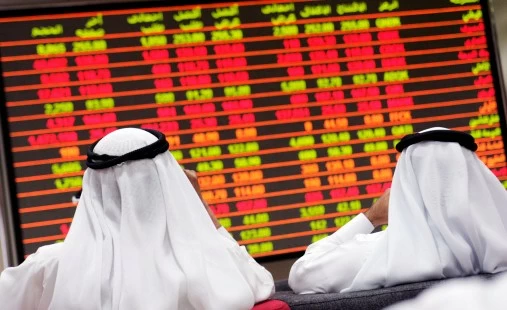

شهدت أسواق الأسهم في منطقة الخليج العربي أداءً متبايناً في تداولات اليوم، حيث ألقت التوترات الجيوسياسية بظلالها على معنويات المستثمرين، مما أدى إلى انخفاض معظم المؤشرات الرئيسية. وفي المقابل، خالفت السوق المالية السعودية (تداول) هذا الاتجاه، مسجلةً ارتفاعاً ملحوظاً بدعم من الأداء القوي لأسهم قيادية في قطاعي البنوك والطاقة.
خلفية التوترات وتأثيرها على الأسواق
يأتي هذا التباين في أداء الأسواق في سياق إقليمي متوتر، تفاقم بفعل هجمات جديدة بطائرات مسيرة استهدفت منشآت حيوية، بالإضافة إلى حالة الغموض التي تحيط بمستقبل المحادثات النووية مع إيران. تاريخياً، تتفاعل أسواق الخليج بحساسية شديدة مع أي تصعيد أمني في المنطقة، نظراً لاعتماد اقتصاداتها بشكل كبير على صادرات النفط والغاز التي تمر عبر ممرات ملاحية استراتيجية، وعلى رأسها مضيق هرمز. أي تهديد لهذه الممرات يثير قلق المستثمرين من احتمالية تعطل الإمدادات، مما يدفعهم إلى بيع الأصول الخطرة والتوجه نحو الملاذات الآمنة، وهو ما يفسر التراجعات التي شهدتها بورصات قطر والكويت والبحرين.
أداء الأسواق الخليجية بالأرقام
تأثرت بورصة قطر سلباً بهذه الأجواء، حيث انخفض مؤشرها العام بنسبة 0.5%، متأثراً بتراجع سهم بنك قطر الوطني، أحد أكبر البنوك في المنطقة، بنسبة 1.5%. كما سجلت بورصة الكويت تراجعاً بنسبة 0.5%، وشهدت بورصة البحرين انخفاضاً مماثلاً بنسبة 0.4%، مما يعكس حالة الحذر التي سيطرت على المستثمرين في هذه الأسواق.
السوق السعودي: أداء استثنائي بدعم من أرامكو
على النقيض تماماً، نجح المؤشر العام للسوق السعودي (تاسي) في الارتفاع بنسبة 0.8%، مدعوماً بشكل أساسي بالنتائج المالية القوية لشركة أرامكو السعودية. فقد قفز سهم أرامكو بنسبة 0.8% بعد إعلان الشركة عن زيادة أرباحها في الربع الأول بنسبة 25%. ولم يقتصر الدعم على أرامكو، بل ساهم أيضاً صعود سهم مصرف الراجحي، أحد أكبر المصارف الإسلامية في العالم، بنسبة 1.7% في تعزيز أداء المؤشر. ويعكس هذا الأداء قدرة السوق السعودية على امتصاص الصدمات الجيوسياسية بفضل عمقها وثقل شركاتها القيادية التي تحظى بثقة المستثمرين المحليين والدوليين.
الأهمية الاستراتيجية والتأثيرات المستقبلية
تكمن أهمية هذه التطورات في أنها تسلط الضوء على مدى ارتباط استقرار الأسواق المالية في الخليج بالاستقرار الأمني الإقليمي. على الصعيد الدولي، يراقب العالم عن كثب أي توتر في منطقة الخليج لما له من تأثير مباشر على أسعار الطاقة العالمية. إن قدرة أرامكو على تشغيل خط أنابيبها شرق-غرب بكامل طاقته لتعويض أي اضطرابات محتملة في مضيق هرمز، تعتبر عاملاً مطمئناً للأسواق العالمية، لكنها تظل حلاً جزئياً في مواجهة أي تصعيد كبير. وبالتالي، ستبقى أسواق المنطقة رهينة للتطورات السياسية في المدى المنظور، مع استمرار السوق السعودية في لعب دور المحرك الرئيسي للاقتصاد الإقليمي بفضل خطط التنويع الاقتصادي الطموحة ضمن رؤية 2030.
وخارج منطقة الخليج، شهدت البورصة المصرية أداءً إيجابياً، حيث ارتفع مؤشرها الرئيسي EGX30 بنسبة 1.9%، مدفوعاً بصعود معظم أسهمه القيادية وعلى رأسها سهم البنك التجاري الدولي.