
السياق العام والتاريخي لتطبيق كود البناء السعودي
في خطوة استراتيجية تتوافق مع مستهدفات رؤية المملكة 2030 الرامية إلى تنظيم قطاع التشييد والبناء ورفع جودة الحياة، أقرت وزارة البلديات والإسكان تعديلات جوهرية جديدة على لائحة المتطلبات العامة لتعيين جهات التفتيش والمفتشين لأعمال كود البناء السعودي. يُذكر أن كود البناء السعودي، الذي بدأ تطبيقه بشكل تدريجي وإلزامي خلال السنوات القليلة الماضية، يمثل مجموعة من النظم والاشتراطات الفنية والقانونية التي تهدف إلى ضمان السلامة العامة، وترشيد استهلاك الطاقة، ومقاومة الكوارث الطبيعية. وتأتي هذه التعديلات الحديثة لسد أي فجوات رقابية، ولضمان تطبيق أعلى المعايير الهندسية في جميع مراحل البناء والتشغيل.
تفاصيل التعديلات الجديدة لجهات التفتيش
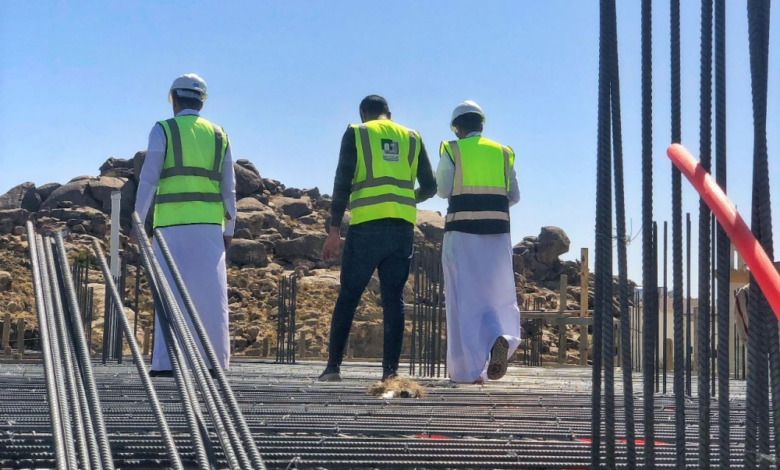
تهدف التعديلات المعتمدة إلى رفع كفاءة منظومة الرقابة على قطاع البناء والتشييد، وتعزيز جودة الامتثال الفني والهندسي. وبموجب اللائحة الجديدة، أُلزمت جميع المباني بالخضوع لعمليات تفتيش واختبارات دقيقة خلال مرحلة التشييد، مع استمرار هذه العمليات خلال مرحلة التشغيل لضمان استدامة الالتزام بالاشتراطات. ولتعزيز النزاهة والاستقلالية، نصت اللائحة على أن مسؤولية التعاقد مع جهات التفتيش تقع حصراً على عاتق المالك أو وكيله المعتمد، بعيداً عن المقاول المنفذ للمشروع.
كما أتاحت الوزارة للمكاتب والشركات الهندسية المرخصة من الهيئة السعودية للمهندسين التقدم للعمل كجهات تفتيش، مما يوسع قاعدة التنافسية المهنية. واشترطت اللائحة حصول هذه الجهات على اعتماد رسمي من المركز السعودي للاعتماد كشرط أساسي للقبول، على أن تكون مدة الاعتماد ثلاث سنوات قابلة للتجديد، مع إلغاء الاعتماد تلقائياً في حال عدم التجديد خلال عام من الانتهاء.
تصنيف جهات التفتيش والاشتراطات المالية والتأمينية
من أبرز ما تضمنته التعديلات هو وضع مصفوفة تصنيف دقيقة تقسم جهات التفتيش إلى خمس فئات متدرجة بناءً على حجم المخاطر، مع إلزامها بتوفير تغطية تأمينية ضد المسؤولية المهنية والعامة:
- الفئة الأولى: مخصصة للمشروعات الكبرى وعالية المخاطر (مثل الأبراج التي تتجاوز 23 متراً)، وتشترط حداً أدنى للتأمين يبلغ 10 ملايين ريال.
- الفئة الثانية: للمشروعات المشابهة بنطاق مالي ومساحي أقل، بحد تأميني يبلغ 5 ملايين ريال.
- الفئتان الثالثة والرابعة: تستهدفان المباني متوسطة المخاطر كالمباني التعليمية والتجارية.
- الفئة الخامسة: للمشروعات الصغيرة منخفضة المخاطر (كالمباني السكنية حتى 3 طوابق)، بحد تأميني يبدأ من نصف مليون ريال.

حوكمة العمل الرقابي ومنع تعارض المصالح
لضمان أعلى درجات الشفافية، منعت اللائحة المديرين الفنيين والرؤساء التنفيذيين لجهات التفتيش من العمل مع أي جهة أخرى تقدم خدمات مماثلة لمنع تعارض المصالح. كما أوجبت مراجعة جميع وثائق البناء المعتمدة قبل بدء التفتيش، والاحتفاظ بسجلات مفصلة لكل مشروع لمدة لا تقل عن عشر سنوات، تشمل نتائج الاختبارات والصور التوثيقية.
وشددت الوزارة على ضرورة التعاون الكامل مع التحقيقات الحكومية، ومنحت جهات التفتيش دوراً مباشراً في رصد المخالفات وإبلاغ المكتب الهندسي أو المقاول لتصحيحها. وفي حال المخالفات ‘الخطرة’، تُحال فوراً إلى اللجنة المختصة، مع تخصيص منصة ‘بلدي’ كقناة رسمية لاستقبال الشكاوى ضد جهات التفتيش.
الأهمية والتأثير المتوقع للقرار
على المستوى المحلي: سيؤدي هذا القرار إلى تقليص نسب الأخطاء الهندسية والإنشائية، مما يحمي استثمارات المواطنين ويطيل العمر الافتراضي للمباني. كما سينعش قطاع التأمين التعاوني ويخلق فرص عمل نوعية للمهندسين السعوديين في مجال التفتيش والرقابة.
على المستوى الإقليمي والدولي: يعزز هذا التنظيم الصارم من موثوقية السوق العقاري السعودي، ويجعله بيئة أكثر أماناً وجاذبية للاستثمارات الأجنبية المباشرة (FDI)، حيث تتوافق هذه المعايير مع أفضل الممارسات العالمية في قطاع التشييد والبناء، مما يرسخ مكانة المملكة كقوة اقتصادية رائدة تعتمد على الاستدامة والجودة.