
معاناة مستمرة وأمل بالإفراج
تعيش أسرة أقدم سجين يهودي لدى الحوثيين في اليمن حالة من الترقب والأمل الممزوج بالألم، بانتظار الإفراج عنه بعد سنوات طويلة من الاعتقال التعسفي. السجين، ليفي سالم موسى مرحبي، يقبع في سجون جماعة الحوثي منذ عام 2016، وتستمر معاناته رغم صدور قرارات قضائية سابقة تقضي بالإفراج عنه، إلا أن السلطات التابعة للحوثيين في صنعاء ترفض تنفيذها.
تعود تفاصيل القضية إلى اتهام الحوثيين لمرحبي بمساعدة عائلة يهودية يمنية على مغادرة البلاد ونقل مخطوطة توراة قديمة ونادرة إلى إسرائيل. ورغم أن محكمة الاستئناف في صنعاء أقرت في عام 2019 بالإفراج عنه، إلا أن الميليشيا واصلت احتجازه كأداة ضغط، مما يجعله أقدم سجين يهودي لدى الحوثيين وربما الأخير في ظل تهجير ما تبقى من أبناء الطائفة.
السياق العام والخلفية التاريخية ليهود اليمن
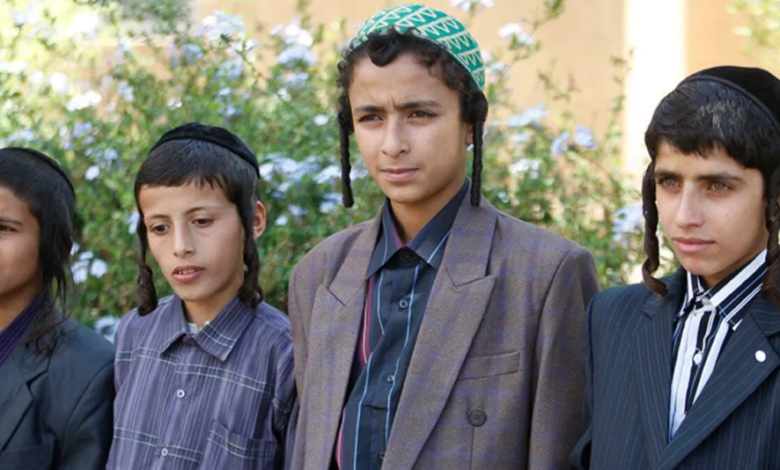
تعتبر الطائفة اليهودية في اليمن واحدة من أقدم الطوائف اليهودية في العالم، حيث يمتد تاريخها لآلاف السنين. تميز يهود اليمن بتراثهم الثقافي والديني الفريد الذي اندمج بشكل كبير مع الثقافة اليمنية. ومع ذلك، شهد منتصف القرن العشرين هجرة جماعية كبرى لليهود اليمنيين، أبرزها عملية “بساط الريح” بين عامي 1949 و1950.
تضاءلت أعداد الطائفة بشكل كبير على مر العقود، لتصل إلى بضع عشرات فقط بحلول العقد الأول من القرن الحادي والعشرين. ومع اندلاع النزاع اليمني وسيطرة جماعة الحوثي على العاصمة صنعاء ومناطق واسعة من شمال اليمن، تعرضت الأقليات الدينية، وعلى رأسها الطائفة اليهودية والبهائية، لضغوط هائلة وحملات ترحيل قسرية، مما أدى إلى إفراغ اليمن تقريباً من تنوعه الديني التاريخي.
تدهور الحالة الصحية والمناشدات الدولية
تشير التقارير الحقوقية الموثوقة إلى أن الحالة الصحية لليفي سالم مرحبي قد تدهورت بشكل خطير خلال سنوات احتجازه. فقد عانى من ظروف سجن قاسية، وتعرض للإهمال الطبي، مما أدى إلى إصابته بمشاكل صحية مزمنة، بما في ذلك فقدان بعض أسنانه وضعف شديد في الحركة. وقد دعت العديد من المنظمات الحقوقية الدولية، بالإضافة إلى وزارة الخارجية الأمريكية، مراراً وتكراراً إلى الإفراج الفوري وغير المشروط عنه، محذرة من الخطر المحدق بحياته.
أهمية الحدث وتأثيره الإقليمي والدولي
على المستوى المحلي، يسلط استمرار اعتقال أقدم سجين يهودي لدى الحوثيين الضوء على واقع الحريات الدينية وحقوق الأقليات في المناطق الخاضعة لسيطرة الجماعة. إنه يعكس نهجاً منهجياً في قمع المخالفين وتصفية التنوع الثقافي والديني الذي عُرف به اليمن تاريخياً.
أما على المستوى الإقليمي والدولي، فإن هذه القضية تبرز كدليل واضح في المحافل الحقوقية على الانتهاكات الجسيمة لحقوق الإنسان في اليمن. وتؤثر هذه الممارسات على مسار المفاوضات السياسية وعمليات السلام، حيث يطالب المجتمع الدولي بضرورة احترام حقوق الإنسان كشرط أساسي لأي تسوية سياسية شاملة. إن حرية مرحبي ليست مجرد قضية فردية، بل هي رمز لمعاناة الأقليات والمخفيين قسراً في مناطق النزاع، وتذكير دائم للمجتمع الدولي بمسؤولياته تجاه حماية المستضعفين.