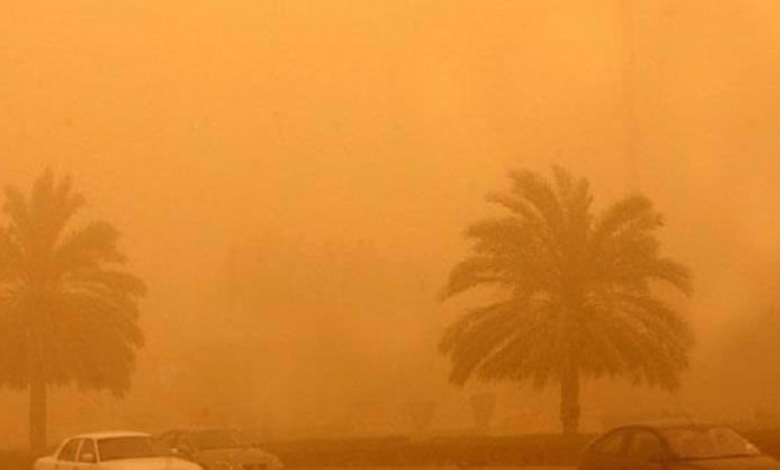

تقرير شامل: تسجيل 59 ساعة من العواصف الغبارية في الإقليم
في ظل التغيرات المناخية المتسارعة التي يشهدها العالم، أعلن المركز الإقليمي للتحذير من العواصف الغبارية والرملية عن تسجيل 59 ساعة من الحالات الغبارية في عدد من دول الإقليم خلال يوم 15 مايو 2026. وتأتي هذه الإحصائيات ضمن الجهود الحثيثة والمستمرة التي يبذلها المركز في متابعة الظواهر الجوية الدقيقة وتحليل بياناتها، بما يسهم بشكل فعال في تعزيز منظومة الإنذار المبكر والحد من الآثار البيئية والصحية والاقتصادية المصاحبة لتلك العواصف الغبارية.
الأردن تتصدر قائمة الدول المتأثرة
وفقاً للبيانات الرسمية الصادرة عن المركز، فقد تصدرت المملكة الأردنية الهاشمية دول الإقليم من حيث عدد ساعات الحالات الغبارية المسجلة بواقع 20 ساعة متواصلة ومتقطعة. وجاءت جمهورية العراق في المرتبة الثانية بتسجيلها 13 ساعة، تلتها كازاخستان بـ 10 ساعات. وفي المراتب اللاحقة، سجلت باكستان 7 ساعات، بينما شهدت المملكة العربية السعودية 5 ساعات من الغبار، وسجلت إيران 4 ساعات فقط. وأشار المركز إلى أن بقية دول الإقليم لم تسجل أي ساعات من الحالات الغبارية خلال الفترة ذاتها، مما يعكس تفاوتاً كبيراً في النشاط الغباري بين الدول تبعاً للأنظمة الجوية والظروف المناخية السائدة في كل منطقة.
السياق العام والخلفية التاريخية للظاهرة
تُعد منطقة الشرق الأوسط وشمال أفريقيا، بالإضافة إلى أجزاء من وسط آسيا، من أكثر المناطق الجغرافية عُرضة للعواصف الرملية والغبارية على مر التاريخ. ويعود ذلك إلى الطبيعة الصحراوية القاحلة وشبه القاحلة التي تغطي مساحات شاسعة من هذه الدول. تاريخياً، كانت هذه العواصف جزءاً من الدورة المناخية الطبيعية، إلا أن العقود الأخيرة شهدت زيادة ملحوظة في وتيرتها وشدتها. ويُعزى هذا التصاعد إلى عدة عوامل بيئية مترابطة، أبرزها التغير المناخي العالمي، وتدهور الغطاء النباتي، وزيادة معدلات التصحر، وانخفاض مستويات هطول الأمطار، بالإضافة إلى التغيرات في حركة الرياح السطحية.
أهمية الحدث وتأثيره المتوقع (محلياً وإقليمياً ودولياً)
تحمل العواصف الغبارية تأثيرات واسعة النطاق تتجاوز الحدود الجغرافية للدول، مما يجعل مراقبتها أمراً بالغ الأهمية:
- التأثير الصحي: تؤدي الجسيمات الدقيقة العالقة في الهواء إلى تفاقم أمراض الجهاز التنفسي مثل الربو والحساسية، مما يشكل ضغطاً إضافياً على أنظمة الرعاية الصحية المحلية في الدول المتأثرة.
- التأثير الاقتصادي والبيئي: إقليمياً، تتسبب هذه العواصف في انخفاض مستوى الرؤية الأفقية، مما يؤدي إلى تعطيل حركة الملاحة الجوية والبحرية والبرية. كما تؤثر سلباً على الإنتاج الزراعي من خلال طمر المحاصيل وتآكل التربة الخصبة.
- التأثير الدولي: على المستوى العالمي، تلعب العواصف الغبارية دوراً في تغيير توازن الإشعاع الشمسي وتؤثر على النظم البيئية عند انتقال الغبار عبر القارات.
رصد متواصل وتعاون إقليمي
أكد المركز الإقليمي التزامه بمواصلة أعمال الرصد والتحليل والتحديث المستمر للبيانات المناخية. هذا الدور المحوري يدعم الجهات المختصة وصناع القرار بالمعلومات الدقيقة واللحظية لاتخاذ التدابير الاستباقية اللازمة. ويسهم هذا الجهد في تعزيز الجاهزية والاستجابة الفاعلة للظواهر الجوية المؤثرة. ويأتي هذا الرصد الدقيق ضمن استراتيجية المركز لتعزيز التعاون الإقليمي والدولي، وتبادل البيانات والخبرات في مجال مراقبة العواصف الرملية والغبارية. كما يهدف إلى رفع مستوى الوعي المجتمعي والمؤسسي بأهمية متابعة تأثيرات هذه الظواهر على البيئة والصحة العامة، تماشياً مع المبادرات الإقليمية الكبرى التي تهدف إلى مكافحة التصحر لضمان مستقبل بيئي مستدام.