
The International Air Transport Association (IATA) revealed a mixed picture of the global aviation sector in its latest report. Data for March showed a 2.1% increase in total travel demand, a positive indicator reflecting the sector's continued recovery from the impact of the COVID-19 pandemic. However, this growth was offset by a 1.7% decrease in total seat capacity, indicating continued operational caution among airlines in light of the current challenges.
General context: A cautious recovery after the pandemic
These figures come as the aviation sector recovers from one of the worst crises in its history due to the COVID-19 pandemic, which brought global travel to a near standstill. While the return of travel demand is encouraging, the industry still faces significant headwinds, including geopolitical tensions, global inflationary pressures, and a sharp rise in operating costs, particularly jet fuel prices.
Air freight declined, impacted by regional unrest
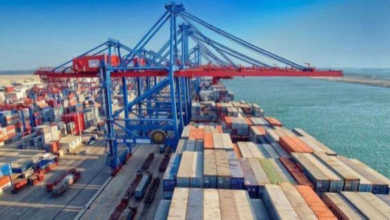
On the other hand, the report highlighted a significant 5% decline in air freight demand in March. IATA noted that geopolitical instability in the Middle East is directly impacting freight markets, as the region is a vital corridor for global trade. This decline reflects the uncertainty surrounding global supply chains and is seen as an indicator of a potential slowdown in international economic activity.
In the Arab region, the figures were even more dire, with IATA revealing that Middle Eastern airlines experienced a significant 61% year-on-year decline in travel demand, accompanied by a 57% drop in seat capacity. These figures reflect the profound impact of regional tensions on air traffic in a region considered a major global hub for air transport and transit.
Jet fuel crisis: A new challenge looms
In a related development, Willy Walsh, Director General of the International Air Transport Association (IATA), warned that the current jet fuel crisis poses a significant challenge to the industry. While acknowledging that it is not on the scale of the COVID-19 crisis, he emphasized that travel demand remains strong. Walsh explained that the jet fuel shortage will first affect Asia, followed by Europe, then Africa and Latin America, cautioning that fuel rationing in some regions could lead to flight cancellations.
Walsh expressed grave concern about the potential for fuel shortages during the peak summer travel season in the Northern Hemisphere. He emphasized that airlines have no way to absorb the enormous increase in costs, meaning this increase will inevitably be passed on to consumers in the form of higher airfares, which could, in turn, threaten the sustainability of the current recovery momentum.