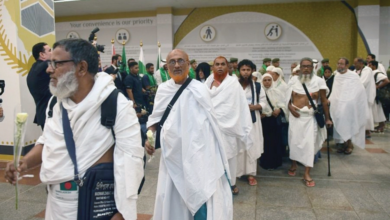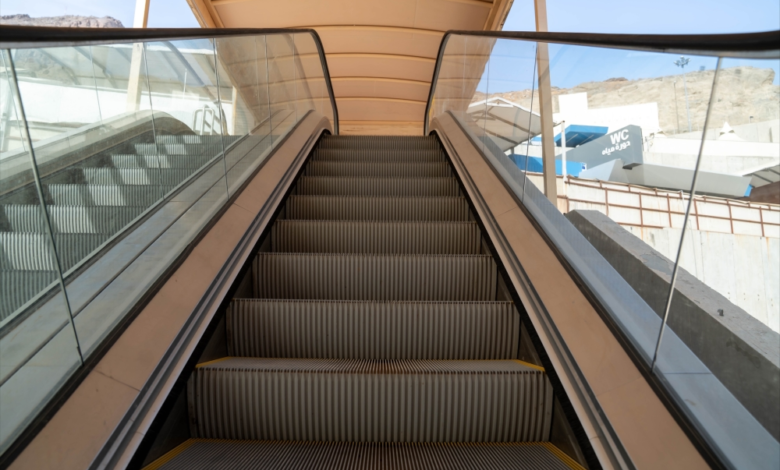
74 escalators in Mina to facilitate the movement of pilgrims during the Hajj season

In a significant step in preparations for the Hajj season, Kadana Development and Investment Company, the executive arm of the Royal Commission for Makkah City and the Holy Sites, announced the completion of a project to install 74 escalators at various key locations in Mina. This major project aims to facilitate the movement of pilgrims and enhance their comfort and safety, particularly in areas experiencing high population density during peak times.
General context and importance of crowd management in Hajj
The Hajj pilgrimage is one of the world's largest annual human gatherings, with millions of Muslims from around the globe converging on Mecca to perform the fifth pillar of Islam. Managing such massive crowds presents a significant logistical challenge, particularly in the limited areas of the holy sites of Mina, Muzdalifah, and Arafat. Historically, the Saudi Arabian government has prioritized the safety and security of pilgrims, continuously investing in infrastructure development to ensure smooth movement and prevent stampedes. Mina, with its unique geography and tent city layout, is among the sites requiring innovative solutions to facilitate pilgrim movement between their camps and the Jamarat facility.
Project details and implementation phases
The project was implemented in three successive development phases to ensure no disruption to previous Hajj seasons. The first phase began in the 1445 AH Hajj season with the installation of 32 escalators, followed by the second phase in the 1446 AH season with the addition of another 32 escalators. The third and current phase for the 1447 AH Hajj season saw the addition of 10 new escalators in 8 strategic locations, bringing the total number of modern escalators serving pilgrims in Mina to 74. This carefully planned distribution enhances operational coverage and meets the increasing needs resulting from the expansion of crowd movement within the holy site.
The importance and expected impact of the project
This project has a direct and positive impact on the Hajj experience at all levels. Locally, it contributes to improving traffic management efficiency and reducing the physical exertion of pilgrims, especially the elderly, people with disabilities, and those with health conditions, enabling them to perform their rituals with ease and peace of mind. It also reduces travel time between camps and service facilities and alleviates congestion in traditional corridors and staircases. Internationally, the project highlights the Kingdom's ongoing efforts to serve the pilgrims and reinforces its image as a leading nation in employing cutting-edge technologies to serve the Two Holy Mosques and their visitors. This aligns with the objectives of the "Serving the Pilgrims" program, one of the programs of the Kingdom's Vision 2030, which aims to enrich and deepen the Hajj and Umrah experience.
The project embodies the Kingdom’s orientation towards adopting smart and sustainable solutions to develop the holy sites and improve the quality of services provided, ensuring a comprehensive, safe and comfortable Hajj experience for millions of Muslims around the world.