
Introduction: Jeddah's stadiums shine in the AFC Champions League elite tournament
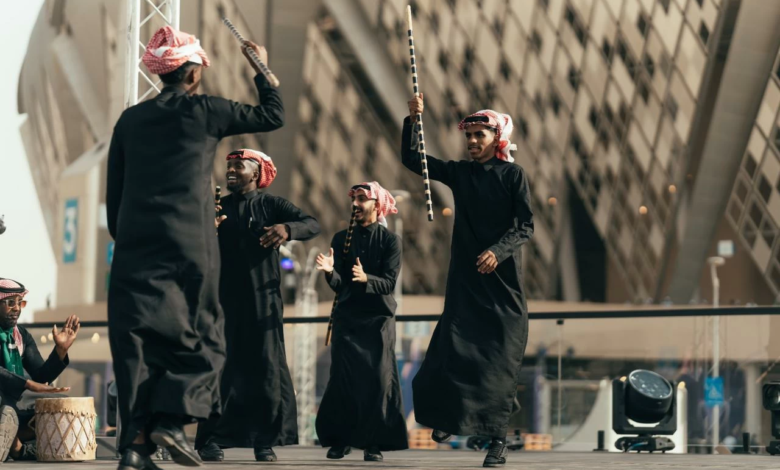
During its hosting of the 2025-2026 AFC Champions League, the football stadiums in Jeddah, the Bride of the Red Sea, transformed into vibrant cultural spaces. No longer merely venues for 90-minute competitive matches, the spectacle transcended the purely sporting realm, embodying profound social and cultural dimensions. The stands became global platforms where diverse cultures converged, speaking different languages and dialects from across Asia, all united by the shared passion for football.
Historical context and the sports renaissance in the Kingdom
This hosting comes as an extension of the Kingdom of Saudi Arabia's successive successes in hosting major international and continental sporting events, in line with the objectives of Saudi Vision 2030. The city of Jeddah, with its rich historical and cultural heritage, has previously hosted massive events such as the FIFA Club World Cup and Formula 1 races, making it a preferred destination for athletes and fans from around the world. This accumulated organizational experience has made Jeddah's stadiums, such as King Abdullah Sports City (The Shining Jewel), an ideal environment to accommodate this great Asian cultural diversity and present a distinguished image of the Kingdom's ability to organize events that transcend the purely sporting dimension to encompass humanitarian and cultural aspects.
The diversity of Asian clubs and the enrichment of the cultural landscape
This diversity is further enhanced by the participation of prestigious clubs from across Asia, alongside Saudi Arabian clubs. The tournament has featured prominent teams from West Asia, such as Al-Duhail and Al-Sadd of Qatar, Tractor Sazi of Iran, and Shabab Al-Ahli and Al-Wahda of the UAE. Furthermore, it includes clubs from East Asia, such as Vissel Kobe and Machida of Japan, Johor Darul Ta'zim of Malaysia, and Buriram United of Thailand. This broad participation adds multiple cultural dimensions, clearly evident in the innovative cheering styles, the traditional attire worn by fans, and the diverse ways they express their joy and enthusiasm within the stadiums, creating a rich tapestry reflecting the diversity of Asian football.
Local and regional impact: From the stands to the streets of Jeddah
This positive cultural interaction extends to the areas surrounding the stadiums and the streets of Jeddah. The areas adjacent to the stadiums and tourist destinations, such as the Jeddah Corniche and the historic Al-Balad district, transform into open spaces where fans meet and exchange cultures and traditions. This fusion reflects the power of sport to build bridges of communication between peoples and foster cultural understanding. Locally, this international fan presence contributes to boosting tourism and the city's economy, benefiting the hospitality, restaurant, and transportation sectors, and showcasing the renowned Saudi hospitality.
The road to the 2027 AFC Asian Cup
In this context, the Local Organizing Committee for the 2027 AFC Asian Cup in Saudi Arabia is contributing to strengthening this cultural dimension within current sporting events. The Asian elite competitions serve as a genuine and successful rehearsal for the highly anticipated continental tournament, offering a comprehensive experience that reflects the diversity of local identity and professionally accommodates international participation. This model embodies the integration of sport and culture in organizing major events and confirms to the world the Kingdom's readiness to host the largest gatherings.
Conclusion: Football is a universal language
In conclusion, these tournaments highlight stadiums as vibrant cultural platforms, showcasing national arts, symbols, and diverse forms of expression. The scene in Jeddah's stadiums unequivocally confirms that football has become a universal language transcending geographical boundaries, reflecting cultural and identities, and reinforcing the role of sport as a powerful and influential tool for communication and peace among the world's peoples.