Sustainable management of Saudi Arabia's forests: 2.7 million hectares towards a green future

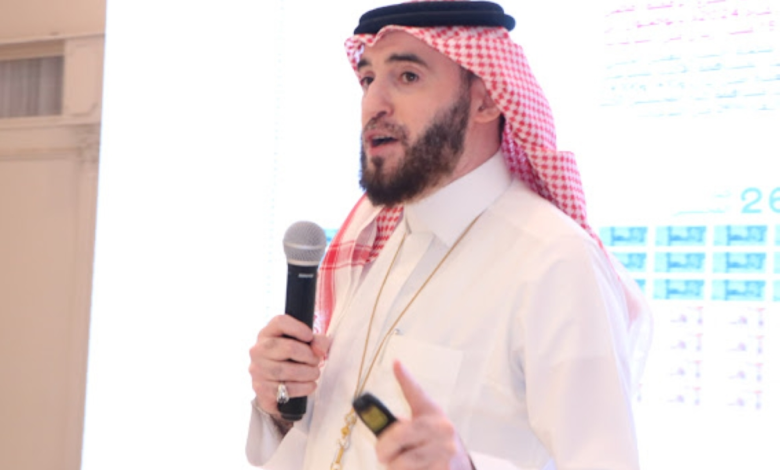
In a strategic move aimed at enhancing environmental sustainability and achieving the goals of Saudi Vision 2030, the National Center for Vegetation Development and Combating Desertification announced a comprehensive initiative to place 2.7 million hectares of national forests under sustainable management. This announcement was made during a specialized workshop titled “The Role of Associations in Promoting Forest Sustainability,” which highlighted the importance of empowering the non-profit sector and unifying national efforts to protect the Kingdom’s natural resources.
General context within national initiatives
This initiative is not a product of isolation, but rather an integral part of broader environmental strategies adopted by the Kingdom, most notably the “Saudi Green Initiative” launched by Crown Prince Mohammed bin Salman in 2021. This ambitious initiative aims to plant 10 billion trees across the Kingdom over the coming decades and rehabilitate approximately 40 million hectares of degraded land, making the protection and management of existing forests a cornerstone of this massive project’s success. The establishment of the National Center for Vegetation Development itself is a direct outcome of this vision, serving as the primary implementing body responsible for achieving these ambitious environmental goals and addressing the long-standing challenges of desertification and water scarcity.
The importance of the event and its expected impact
Sustainable forest management represents an integrated approach that achieves a delicate balance between preserving biodiversity and maximizing socio-economic benefits without harming ecosystems. Locally, this project is expected to contribute to improved air quality, a more pleasant local climate, and the protection of natural habitats for wildlife. It will also enhance ecotourism opportunities and provide green spaces for citizens and residents, thus improving their quality of life. The center also affirmed its full commitment to rehabilitating all types of damaged forests, whether mountain forests in the south and west of the Kingdom, coastal mangrove forests on the Red Sea and Arabian Gulf coasts, or those extending into valleys and urban areas.
At both the regional and international levels, this step reinforces the Kingdom's position as a regional leader in climate action. Efforts to combat desertification and develop vegetation cover not only benefit the Kingdom but also contribute to mitigating sand and dust storms that cross borders and affect neighboring countries. Furthermore, it represents an effective contribution to achieving the goals of the Paris Climate Agreement and the United Nations Sustainable Development Goals (SDGs), particularly Goal 15 on "Life on Land," by increasing the capacity of forests to absorb and store carbon, thus making them a powerful ally in addressing global climate change.