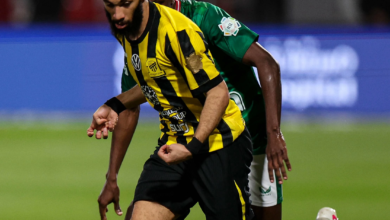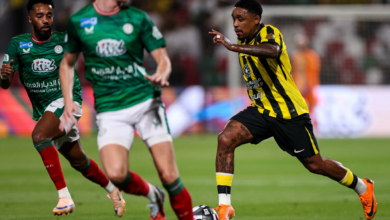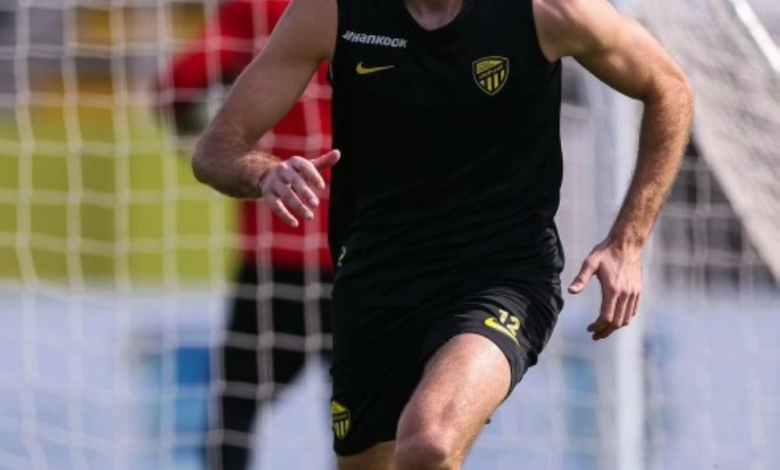
Conceição prepares a replacement for M'Tai for the Al-Ittihad vs. NEOM match in the Roshan League

Al-Ittihad's first football team continues its intensive and serious preparations for the important match against Neom, scheduled for Wednesday evening at 6:25 PM at King Khalid Sports City Stadium in Tabuk. This match is part of the twelfth round of the Saudi Professional League, where Al-Ittihad aims to continue its positive run of results and strengthen its position in the standings.
As part of their final preparations, the team is scheduled to hold its main training session tomorrow, Tuesday, during which the coaching staff, led by coach Conceição, will finalize the tactical plan. This training session aims to settle on the starting lineup for the match, while also focusing on addressing some technical weaknesses and ensuring the physical and mental readiness of all available players.
Searching for a Mario Mitai replacement
Coach Conceição faces a tactical challenge with the absence of the talented full-back Mario Mitaë, who is suspended for the match due to accumulating four yellow cards. During recent training sessions, the coaching staff has been experimenting with various tactical options to select the most suitable replacement to fill the void left by Mitaë, focusing on the defensive balance and attacking support required by the team's style of play.
The importance of the match and the context of the competition
This match holds added importance for Al-Ittihad, as Conceição and his squad aim to return from Tabuk with all three points, reaching 20 points in total. This would provide a significant morale boost for the team as they strive to advance in the league title race. The match comes at a time of fierce competition among the top clubs in the Saudi Professional League, making any dropped points unacceptable for teams aspiring to the championship.
On the fan front, a large turnout is expected in Tabuk for the match, given Al-Ittihad's immense popularity across the Kingdom, as well as the growing interest in the NEOM sports complex project, which represents a significant development for the region. Al-Ittihad's coaching staff is focused on shielding the players from any external pressures and concentrating solely on the pitch to implement the planned tactical strategies and achieve the desired victory.