
Urgent European action to combat rising prices
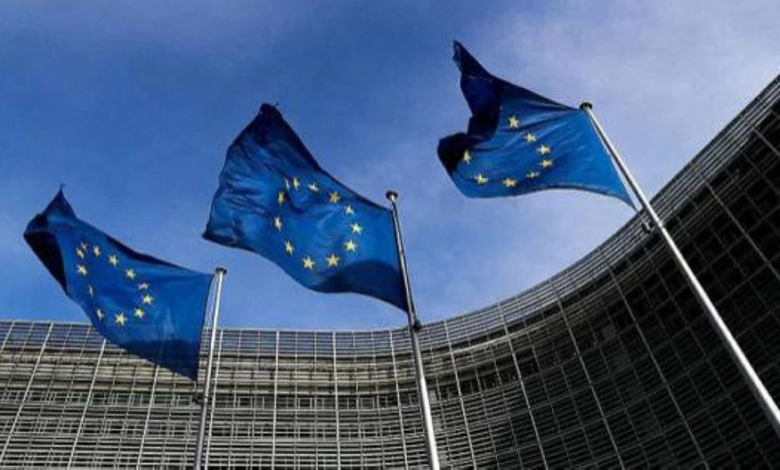
In a move reflecting growing concern about energy security and the economy, five EU finance ministers sent a strongly worded letter to the European Commission, demanding the imposition of a one-time tax on energy company profits. This initiative, spearheaded by Germany, Italy, Spain, Portugal, and Austria, is a direct response to the sharp rise in fuel and natural gas prices, exacerbated recently by escalating geopolitical tensions and military conflicts in the Middle East, particularly those involving Iran, Israel, and the United States.
Historical context: Lessons from the 2022 crisis
To understand the significance of this move, it is necessary to return to the broader context and recent historical background. In 2022, the European continent faced an unprecedented energy crisis after Russia cut off natural gas supplies to Europe in response to Western sanctions. At that time, the European Union implemented a series of emergency policies, including capping gas prices, setting strict consumption targets, and, most importantly, imposing a tax on the extraordinary profits of energy companies that had reaped enormous gains due to market volatility. In their letter to the EU Climate Commissioner, Wobke Hoekstra, the ministers noted the success of this instrument and called for the rapid development of a similar contribution-based instrument, grounded in a solid legal framework, to address current market distortions.
Geopolitical tensions and their impact on markets
Europe’s heavy reliance on imported fuels, whether liquefied natural gas or oil, makes it highly vulnerable to the impact of international conflicts. Recent events and escalating military tensions with Iran have triggered panic in global markets. According to data, European gas prices have risen by more than 70% since the conflict intensified in late February. This sudden surge threatens to reignite inflation, weakening the purchasing power of European citizens and straining government budgets.
A message of solidarity and shared responsibility
In their joint appeal, the finance ministers emphasized that this measure is not merely an economic step, but also a political and social message. They explained that imposing this tax would send a strong signal that EU member states are "united and capable of taking decisive action" to protect their economies. They also stressed the principle of social justice, stating that "those who benefit from the consequences of war and geopolitical tensions must play their part in alleviating the burden on the general public."
Expected impact and future measures
This event is expected to have far-reaching effects on several levels:
- At the local level: Tax revenues will contribute to funding government support programs for citizens and small businesses, thus easing the burden of high energy bills.
- At the regional level: This move promotes solidarity among EU member states and prevents unfair competition or distortions in the single market.
- On the international level: It sends a firm message to global energy markets that Europe will not stand idly by in the face of speculation and the exploitation of crises to achieve unjustified profits.
In this context, the EU Energy Commissioner, Dan Jorgensen, stated that the Union is already considering reviving the energy crisis measures that were successfully used in 2022. These measures include proposals to reduce grid charges and taxes on electricity, confirming that Europe is moving towards a comprehensive strategy that ensures energy security and price stability in the medium and long term.