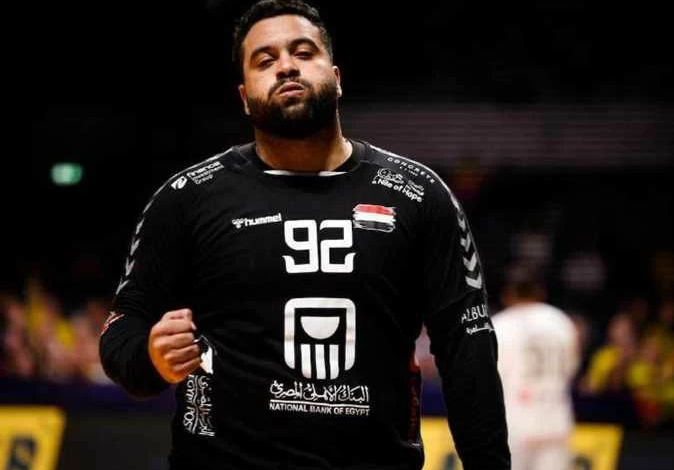
Egypt's national team goalkeeper is close to joining Al-Ahli Saudi handball team

An ambitious plan to develop Al Ahly's handball team
Informed sources have revealed that the management of Al-Ahli Saudi Club is taking serious and well-considered steps to strengthen its handball team for the upcoming season. These moves are part of a comprehensive strategy aimed at attracting distinguished local and international players, which will contribute to developing the sport within the club and raising its competitive level to return strongly to the podium in local and regional championships.
Egypt's national handball team goalkeeper is on Al Ahly's radar
According to private sources, Al Ahly's management is targeting one of the top goalkeepers from the Egyptian national handball team to represent the club in the upcoming Elite Championship. This move stems from the international reputation of Egyptian handball goalkeepers; the Egyptian national team is considered one of the strongest in Africa and the world, having previously achieved high rankings in the World Cup and the Olympic Games. Acquiring an international goalkeeper of this caliber and experience would be a tremendous technical and psychological boost, strengthening the goalkeeping position, which is the cornerstone of any team's success in handball.
A complete restructuring and review of current names
In parallel with these efforts to strengthen the squad, Al-Ahli's management is undertaking a comprehensive technical and administrative restructuring of the first handball team. This plan includes a thorough evaluation and selection process of the current roster, aiming to retain the most efficient and productive players. Furthermore, new local players will be signed based on the specific technical needs identified by the coaching staff, ensuring the development of a balanced team capable of competing strongly and maintaining its competitive edge.
The strategy of foreign professionals and its expected impact
In the same vein, the club's management has decided to sign only one foreign professional player to represent the team next season. This decision aligns with the club's established technical vision, which aims to provide greater opportunities for local talents and Saudi players to prove their abilities and develop their skills, while maximizing the experience of the single foreign professional to create a cohesive unit that serves the team's overall system.
Positive impact on Saudi sports
These moves are of paramount importance given the unprecedented sporting boom Saudi Arabia is witnessing across various disciplines, not just football. The Saudi Handball League and its various tournaments are now attracting prominent names, thus raising the market and technical value of the competitions. The success of Al-Ahli's handball team in finalizing these contracts will positively impact fan attendance and intensify competition with other established Saudi clubs, ultimately benefiting the Saudi national handball team and the overall development of Saudi sports to meet global standards.