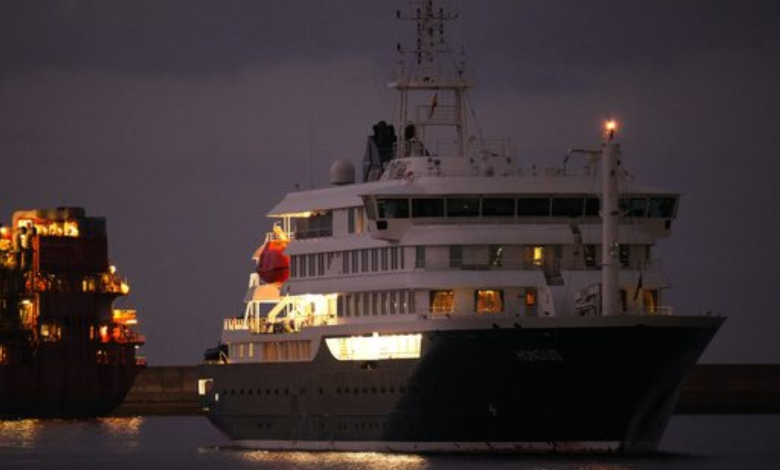

حالة تأهب صحي بعد تفشي فيروس هانتا على سفينة سياحية
أعلنت السلطات الصحية الأوروبية عن فرض إجراءات حجر صحي مشددة على ركاب السفينة السياحية “هونديوس”، بعد تأكيد تفشي فيروس هانتا النادر على متنها، مما أسفر عن وفاة ثلاثة ركاب وإصابة آخرين. وقد تم إجلاء 26 راكباً من جنسيات مختلفة، تشمل هولندا وألمانيا وبلجيكا واليونان، إلى مدينة آيندهوفن الهولندية لاتخاذ الإجراءات الطبية اللازمة ومنع انتشار العدوى.
وفور وصولهم إلى مطار آيندهوفن، خضع الركاب لفحوصات طبية دقيقة أجرتها فرق متخصصة بمشاركة عناصر من الصليب الأحمر. وبناءً على التقييم الصحي، تقرر أن يعود الركاب الهولنديون إلى منازلهم مع التزامهم بحجر صحي صارم لمدة ستة أسابيع، وهي فترة الحضانة القصوى للفيروس، لضمان عدم ظهور أي أعراض لاحقاً.
تفاصيل الحادث وتسلسل العدوى
كانت السفينة “هونديوس” قد وصلت في وقت مبكر إلى ميناء جراناديلا في جزيرة تينيريفي الإسبانية بعد الإبلاغ عن الحالات. ووفقاً لبيانات منظمة الصحة العالمية، تم تأكيد 6 إصابات بفيروس هانتا، بالإضافة إلى حالتين مشتبه بهما. وأسفر التفشي عن وفاة ثلاثة أشخاص، هم زوجان مسنان من هولندا وامرأة من ألمانيا، مما أثار قلقاً دولياً حول خطورة الوضع.
وترجح منظمة الصحة العالمية أن سلسلة العدوى بدأت من الزوجين الهولنديين، اللذين يُعتقد أنهما أُصيبا بالفيروس أثناء تواجدهما في الأرجنتين قبل انطلاقهما في الرحلة البحرية. هذا الاحتمال يسلط الضوء على كيفية انتقال الأمراض النادرة عبر القارات من خلال السفر الدولي.
ما هو فيروس هانتا؟ السياق العلمي والطبي
فيروس هانتا هو مجموعة من الفيروسات التي تنتشر بشكل أساسي عن طريق القوارض، مثل الفئران والجرذان. تنتقل العدوى إلى البشر عادةً عن طريق استنشاق جزيئات الهواء الملوثة ببول أو براز أو لعاب القوارض المصابة. لا ينتقل الفيروس عادةً من شخص لآخر، على الرغم من تسجيل حالات نادرة جداً من هذا النوع من الانتقال مع سلالة “فيروس الأنديز” الموجودة في أمريكا الجنوبية، وهو ما يزيد من أهمية الإجراءات الوقائية في هذه الحادثة تحديداً.
يسبب الفيروس أمراضاً خطيرة، أبرزها متلازمة فيروس هانتا الرئوية (HPS) والحمى النزفية المصحوبة بالمتلازمة الكلوية (HFRS). وتتراوح فترة حضانة الفيروس من أسبوع إلى ثمانية أسابيع، مما يفسر مدة الحجر الصحي الطويلة التي فُرضت على الركاب.
الأهمية والتأثير المتوقع للحادث
يعيد هذا الحادث إلى الأذهان التحديات الصحية التي تواجه قطاع السياحة البحرية، والذي لا يزال يتعافى من تداعيات جائحة كوفيد-19. وتؤكد الحادثة على أهمية بروتوكولات المراقبة الصحية الصارمة على متن السفن السياحية، التي تعتبر بيئة مغلقة قد تساهم في سرعة انتشار الأمراض المعدية.
على الصعيد الدولي، يُظهر تفشي فيروس هانتا على متن “هونديوس” كيف يمكن لمرض نادر ومحلي أن يتحول إلى قضية صحية عالمية تتطلب تعاوناً دولياً سريعاً بين الدول (مثل إسبانيا وهولندا) والمنظمات الصحية العالمية. كما أنه يمثل تذكيراً بضرورة اليقظة المستمرة تجاه الأمراض حيوانية المصدر التي يمكن أن تشكل تهديداً للصحة العامة العالمية.