
تصريحات نارية من ترامب تجاه إيران
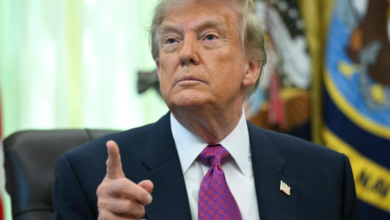
أطلق الرئيس الأمريكي السابق دونالد ترامب تصريحات جديدة شديدة اللهجة تجاه إيران، مؤكداً أن الولايات المتحدة تراقب مخزون اليورانيوم الإيراني المدفون تحت الأرض عبر “قوة الفضاء”، ومتوعداً بأن بلاده “ستحصل عليه قريباً”. وأضاف ترامب في تهديد مباشر أن أي شخص يحاول الاقتراب من مواقع اليورانيوم الإيراني سيتعرض لهجوم.
وفي سياق متصل، رفض ترامب بشكل قاطع الرد الإيراني على مقترح أمريكي لإنهاء الصراع، واصفاً إياه بأنه “غير مقبول على الإطلاق”. وكتب عبر منصة “إكس”: “لقد قرأت للتو الرد الصادر عمن يسمون ممثلي إيران، إنه غير مقبول إطلاقاً”. كما زعم أن إدارته قد أنجزت 70% من أهدافها في إيران، وأن لديها أهدافاً أخرى قد تضربها، مشيراً إلى أن إيران “هُزمت” وستحتاج إلى 20 عاماً لإعادة بناء قدراتها العسكرية.
خلفية التوتر: من الاتفاق النووي إلى سياسة الضغط الأقصى
تأتي هذه التصريحات في ظل تاريخ طويل من التوتر بين واشنطن وطهران، والذي بلغ ذروته خلال فترة رئاسة ترامب. ففي عام 2015، تم التوصل إلى خطة العمل الشاملة المشتركة (JCPOA)، المعروفة إعلامياً بالاتفاق النووي الإيراني، بين إيران ومجموعة دول (5+1). وبموجب هذا الاتفاق، وافقت إيران على تقييد برنامجها النووي بشكل كبير مقابل رفع العقوبات الاقتصادية المفروضة عليها.
لكن في عام 2018، أعلن الرئيس ترامب انسحاب الولايات المتحدة من الاتفاق من جانب واحد، واصفاً إياه بأنه “أسوأ اتفاق تم التفاوض عليه”. أعقب ذلك فرض سياسة “الضغط الأقصى” التي تضمنت إعادة فرض عقوبات اقتصادية صارمة بهدف شل الاقتصاد الإيراني وإجبار طهران على التفاوض على اتفاق جديد بشروط أمريكية. ورداً على ذلك، بدأت إيران في التراجع تدريجياً عن التزاماتها بموجب الاتفاق، وزادت من مستويات تخصيب اليورانيوم، مما أثار قلقاً دولياً واسعاً.
الأبعاد الإقليمية والدولية للتصعيد
تحمل تصريحات ترامب والتوتر المستمر بين البلدين أبعاداً إقليمية ودولية خطيرة. فعلى الصعيد الإقليمي، تنظر دول كبرى في الشرق الأوسط، مثل المملكة العربية السعودية وإسرائيل، بقلق بالغ إلى طموحات إيران النووية، وتعتبرها تهديداً مباشراً لأمنها القومي. وأي تصعيد عسكري محتمل قد يجر المنطقة بأكملها إلى صراع واسع النطاق.
دولياً، يؤثر هذا التوتر على استقرار أسواق الطاقة العالمية، حيث هددت إيران مراراً بإغلاق مضيق هرمز، وهو ممر مائي استراتيجي يمر عبره جزء كبير من نفط العالم. كما أن انهيار الاتفاق النووي يمثل نكسة لجهود منع الانتشار النووي على مستوى العالم، ويقوض المساعي الدبلوماسية لحل النزاعات بالطرق السلمية. وتستمر القوى الأوروبية في محاولة إيجاد سبيل لإنقاذ الاتفاق، لكن التصعيد المتبادل بين واشنطن وطهران يجعل هذه المهمة شبه مستحيلة.