
In a pioneering step reflecting the Kingdom of Saudi Arabia's commitment to enhancing the experience of pilgrims, the Grand Mosque in Mecca has witnessed a comprehensive digital transformation of its religious services. The General Presidency for the Affairs of the Two Holy Mosques announced the enhancement of digital services at the Grand Mosque through the use of modern technologies, most notably QR code technology, to facilitate the journey of pilgrims and Umrah performers and elevate the quality of their spiritual experience.
General context and digital transformation in the Two Holy Mosques
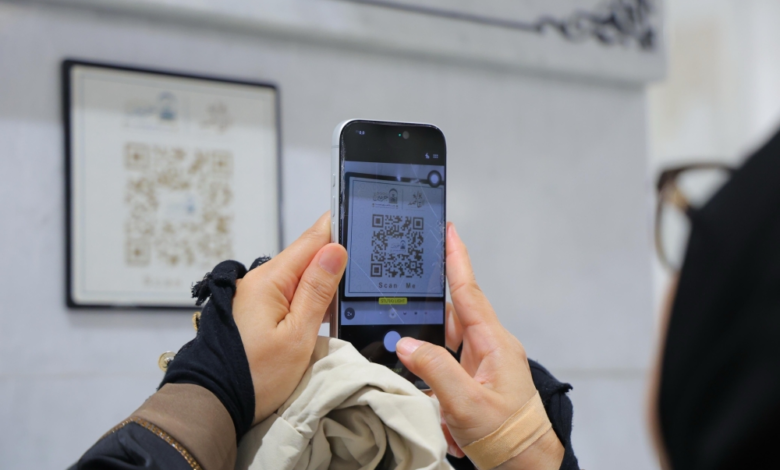
This initiative comes within the framework of the Kingdom's Vision 2030, specifically as part of the objectives of the Guests of God Service Program, which aims to bring about a qualitative and sustainable transformation in the services provided to pilgrims and Umrah performers. Historically, guidance and orientation services in the Two Holy Mosques relied heavily on printed materials and direct instruction, which posed a logistical challenge during peak seasons and due to the multitude of languages. Today, however, with the launch of the "Al-Qasid Portal" platform via QR code technology at multiple locations within the Grand Mosque in Mecca, visitors can now instantly access reliable sources of Islamic knowledge with a single click.
Facilitating access to religious services and breaking down language barriers
The Presidency explained that this strategic step enables visitors to easily access a diverse range of guidance, educational services, and digital platforms via their smartphones. The rapid response technology allows visitors immediate access to a wide array of approved educational lessons and awareness programs. Perhaps the most significant advantage of this technology is the provision of enriching content in multiple international languages, thus breaking down language barriers and ensuring that the message of Islam reaches all visitors from around the world, saving them time and effort in searching for religious information.
Importance and impact: Promoting moderation and combating rumors
Locally, regionally, and internationally, this technological development has a profound impact. Internationally, the Grand Mosque serves millions of Muslims annually, and the digital services provided via QR codes aim to offer religious guidance that helps visitors perform their rituals according to a moderate and balanced approach, promoting tranquility and peace. Furthermore, providing reliable sources of religious knowledge significantly reduces the spread of rumors or inaccurate fatwas, ensuring that pilgrims receive guidance from official and accredited sources within the Grand Mosque and its surrounding areas.
A sustainable strategy to serve the pilgrims
The Presidency of Religious Affairs affirmed that the expanded use of rapid response technologies is part of a comprehensive digital transformation strategy aimed at developing communication tools for pilgrims. This approach reflects the commitment of relevant authorities to harnessing all available technological capabilities to facilitate the religious journey. The Presidency continuously updates the digital content available through these platforms to meet the needs of pilgrims and visitors throughout the year, emphasizing that technological innovation has become an integral part of the plan to develop religious guidance and counseling services.