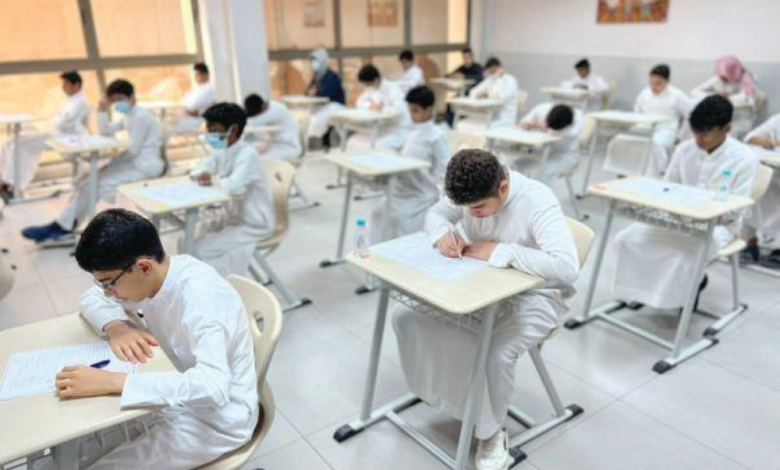

أعلنت وزارة التعليم في المملكة العربية السعودية عن خطوة استراتيجية جديدة تهدف إلى تطوير المنظومة التعليمية، حيث أقرت تطبيق اختبارات مركزية ختامية لطلاب وطالبات ثلاثة صفوف دراسية محورية، وهي الصف الثالث الابتدائي، والسادس الابتدائي، والثالث المتوسط. ومن المقرر أن تُجرى هذه الاختبارات في نهاية الفصل الدراسي الثاني، في خطوة تعكس سعي الوزارة الحثيث نحو تجويد العملية التعليمية وضمان تحقيق نواتج تعلم عالية الجودة.
ويشمل القرار جميع طلاب التعليم العام في المدارس الحكومية والأهلية، حيث سيخضع طلاب الصف الثالث الابتدائي لاختبارات مركزية في مادتي اللغة العربية والرياضيات، بينما تتوسع دائرة المواد لطلاب الصفين السادس الابتدائي والثالث المتوسط لتشمل أربع مواد أساسية هي: اللغة العربية، الرياضيات، العلوم، واللغة الإنجليزية. ويهدف هذا الإجراء إلى توحيد معايير التقييم وقياس مستوى التحصيل الدراسي للطلاب بشكل دقيق وموضوعي على مستوى المملكة.
سياق التطوير التعليمي ورؤية 2030
يأتي هذا القرار في سياق التحولات الكبرى التي يشهدها قطاع التعليم في السعودية، والتي تتماشى مع مستهدفات رؤية المملكة 2030 وبرنامج تنمية القدرات البشرية. تسعى الرؤية إلى بناء نظام تعليمي يسهم في دفع عجلة الاقتصاد، ويضمن امتلاك المواطنين قدرات تنافسية عالمية. وتعد الاختبارات الموحدة والمركزية أداة أساسية في العديد من النظم التعليمية المتقدمة لقياس الأداء، وتحديد الفجوات، وتوجيه سياسات التطوير بناءً على بيانات دقيقة وموثوقة. كما أنها تأتي استكمالاً لجهود سابقة مثل تطبيق الاختبارات الوطنية والمشاركة في الدراسات التقويمية الدولية مثل PISA و TIMSS، بهدف رفع ترتيب المملكة في المؤشرات التعليمية العالمية.
الأهمية والتأثير المتوقع للقرار
تكمن أهمية هذه الاختبارات المركزية في كونها توفر للوزارة مؤشرات أداء حقيقية حول جودة المناهج الدراسية وفعالية أساليب التدريس المتبعة. ومن المتوقع أن تسهم نتائجها في تشخيص مكامن القوة والضعف في النظام التعليمي، مما يساعد صناع القرار على بناء خطط تحسين مستهدفة. على المستوى المحلي، ستعزز هذه الاختبارات من مبدأ المساءلة لدى المدارس، وتحفزها على تبني أفضل الممارسات التعليمية. أما على المستوى الدولي، فإنها تعد خطوة ضرورية لإعداد الطلاب بشكل أفضل للمنافسة في الاختبارات الدولية، وتحسين صورة النظام التعليمي السعودي عالميًا.
استثناءات مدروسة وآلية إعداد محكمة
وفي إطار تشجيع التميز، أوضحت الوزارة أن القرار يستثني المدارس التي أثبتت تحقيقها لمستوى “التميز” في نواتج التعلم، وهو ما يعد حافزًا للمدارس الأخرى للارتقاء بأدائها. كما يمتد الاستثناء ليشمل مدارس التعليم المستمر، وتعليم الكبار، والطلاب من ذوي الإعاقة، تأكيدًا على مراعاة الفروقات والاحتياجات المختلفة. وأكدت الوزارة أن إعداد أسئلة الاختبارات سيتم بشكل مركزي من قبل لجان متخصصة بالتنسيق المباشر مع المركز الوطني لتطوير المناهج، وفق ضوابط ومواصفات تضمن تغطية جميع المهارات والمعارف المطلوبة، بما يساهم في الارتقاء بمستوى أداء الطلاب وتحسين الممارسات التدريسية والتقويمية للمعلمين.