Maersk acquires a stake in the South Container Terminal at Jeddah Port

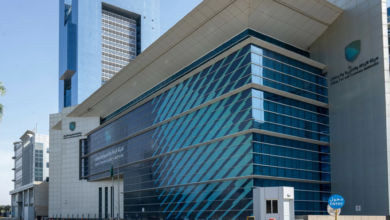
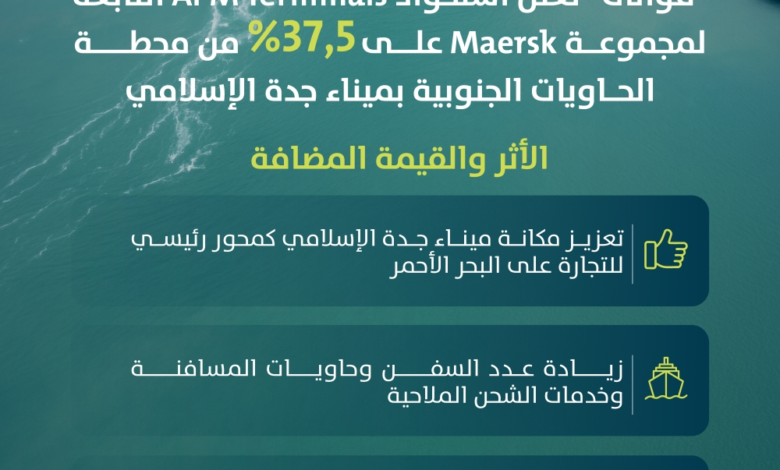
The Saudi Ports Authority (Mawani) officially announced a major strategic move in the maritime transport and logistics sector: the acquisition by the global shipping group Maersk, through its operating arm APM Terminals, of a 37.5% stake in the South Container Terminal at Jeddah Islamic Port. This move reinforces Jeddah's position as one of the key gateways within Maersk's global shipping network, enhancing direct connectivity between local and international markets.
Enhancing operational efficiency and global connectivity
This acquisition is part of a comprehensive plan to integrate Jeddah Islamic Port into Maersk's integrated operational system, directly contributing to enhanced maritime connectivity with regional and international ports. This partnership will provide unprecedented flexibility and faster access to various markets for trade across the Kingdom, reducing operational costs and increasing the efficiency of supply chains.
The strategic importance of Jeddah Islamic Port
This event gains its significance from the unique geographical location of Jeddah Islamic Port, the largest port on the Red Sea coast and a vital artery through which a large percentage of global trade passes. The South Container Terminal includes five state-of-the-art berths equipped with the latest container handling technologies, with a capacity of up to 4.1 million TEUs. The port as a whole has 62 multi-purpose berths, making it an indispensable logistics hub in the region.
Alignment with the Kingdom's Vision 2030
This deal is perfectly aligned with the objectives of the National Transport and Logistics Strategy, stemming from the Kingdom's Vision 2030, which aims to transform Saudi Arabia into a global logistics hub connecting three continents (Asia, Africa, and Europe). This strategic positioning of Maersk is expected to increase the number of transshipment vessels and containers, as well as attract more international shipping lines, thereby enhancing the competitiveness of Saudi ports and boosting the non-oil sector's contribution to GDP.
In conclusion, this development confirms the high investment appeal of the ports sector in the Kingdom of Saudi Arabia, and reflects the confidence of major international companies in the Kingdom’s economic and legislative environment, which bodes well for the future of the maritime transport sector in the region.