
في ظل الجهود الدولية المستمرة لإنهاء الأزمة في اليمن، برزت تحركات دبلوماسية مكثفة تقودها الأمم المتحدة. وفي هذا السياق، يدفع الأمين العام للأمم المتحدة، أنطونيو غوتيريش، بقوة نحو تسريع تنفيذ صفقة الأسرى اليمنية بين الأطراف المتنازعة، معتبراً إياها خطوة حاسمة لبناء الثقة وتمهيد الطريق نحو تسوية سياسية شاملة. تأتي هذه الدعوات في وقت حرج يسعى فيه المجتمع الدولي إلى تثبيت الهدنة وتحويلها إلى وقف دائم لإطلاق النار.
السياق التاريخي لملف الأسرى في اليمن
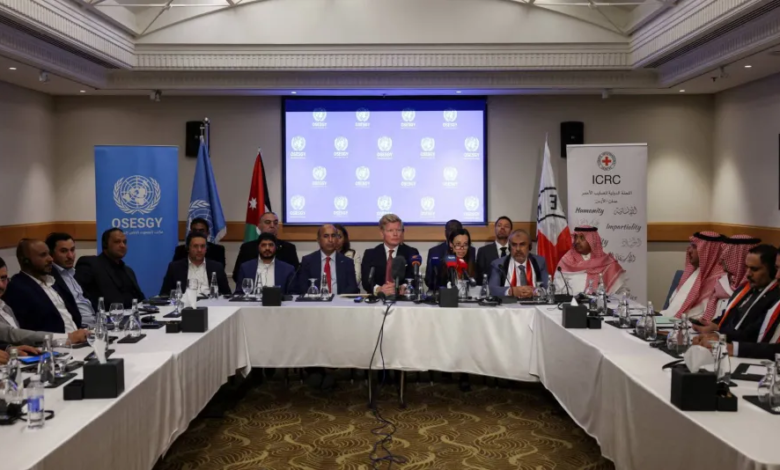
يعود الاهتمام الأممي بملف الأسرى والمختطفين إلى اتفاق ستوكهولم المبرم في أواخر عام 2018، والذي تضمن التزاماً مبدئياً بالإفراج عن جميع الأسرى والمعتقلين والمخفيين قسراً وفق قاعدة “الكل مقابل الكل”. ورغم التعقيدات الميدانية والسياسية التي واجهت تنفيذ هذا الاتفاق، نجحت الأمم المتحدة بالتعاون مع اللجنة الدولية للصليب الأحمر في رعاية جولات تفاوضية عدة، أبرزها في سويسرا، أسفرت عن عمليات تبادل ناجحة. ففي أكتوبر 2020، تم الإفراج عن أكثر من 1000 أسير، تلتها عملية كبرى أخرى في أبريل 2023 شملت نحو 900 محتجز، مما أنعش الآمال بإمكانية طي هذا الملف الإنساني المعقد.
الأهمية الإنسانية والسياسية للصفقة
محلياً، يمثل تسريع تنفيذ صفقة الأسرى اليمنية أولوية إنسانية قصوى لآلاف العائلات اليمنية التي تنتظر عودة أبنائها منذ سنوات. سياسياً، يُعد هذا الملف بمثابة “مقياس للثقة” بين الحكومة اليمنية المعترف بها دولياً وجماعة الحوثي. إن نجاح هذه الخطوة من شأنه أن يكسر الجليد السياسي ويخلق بيئة مواتية للانخراط في مفاوضات الحل النهائي التي يقودها المبعوث الأممي الخاص إلى اليمن، هانس غروندبرغ.
التأثير الإقليمي والدولي
على الصعيد الإقليمي، يتناغم الدفع الأممي مع الجهود الحثيثة التي تبذلها المملكة العربية السعودية وسلطنة عمان لتقريب وجهات النظر بين الأطراف اليمنية. كما أن إغلاق ملف الأسرى سيعزز من حالة التهدئة الإقليمية، خاصة في ظل التقارب الدبلوماسي الأخير في المنطقة. دولياً، يمثل نجاح الأمم المتحدة في هذا الملف انتصاراً للدبلوماسية الإنسانية، ويعزز من مصداقية المنظمة الدولية في قدرتها على حل النزاعات المعقدة، مما يشجع المانحين والمجتمع الدولي على تقديم المزيد من الدعم لخطط الاستجابة الإنسانية وإعادة الإعمار في اليمن.
التحديات والآفاق المستقبلية
رغم التفاؤل الذي يحيط بتحركات غوتيريش، لا تزال هناك تحديات لوجستية وسياسية تتطلب إرادة حقيقية من كافة الأطراف. وتؤكد الأمم المتحدة على ضرورة استمرار التعاون مع اللجنة الدولية للصليب الأحمر لضمان تنفيذ عمليات التبادل بشفافية ووفقاً للقانون الدولي الإنساني. إن تسريع هذه الصفقة ليس مجرد إجراء تنفيذي، بل هو بارقة أمل لملايين اليمنيين التواقين لطي صفحة الحرب والبدء في مرحلة جديدة من السلام والاستقرار الشامل.