
مقدمة: واقع مرير يعيشه اليمنيون
يعيش اليمنيون منذ سنوات واقعاً مريراً تتجسد ملامحه في الألغام والجوع والحرمان، وهي نتائج مباشرة للصراع الدائر الذي تفجر إثر الانقلاب الحوثي على السلطة الشرعية. لم يعد يخفى على أحد حجم المأساة التي تضرب كل بيت يمني، حيث تحولت البلاد إلى ساحة لأكبر أزمة إنسانية في العالم وفقاً لتقارير الأمم المتحدة المتتالية.
السياق التاريخي: جذور الأزمة اليمنية
تعود جذور هذه الأزمة العميقة إلى أواخر عام 2014، عندما أقدمت ميليشيا الحوثي على اجتياح العاصمة اليمنية صنعاء والانقلاب بقوة السلاح على مؤسسات الدولة الشرعية. هذا التحرك العسكري أدى إلى انهيار العملية السياسية الانتقالية التي كانت مدعومة دولياً، وأدخل البلاد في نفق مظلم من الحرب الأهلية. ومع تدخل التحالف العربي في عام 2015 استجابة لطلب الحكومة الشرعية، اتسع نطاق الصراع، مما أسفر عن تدمير واسع للبنية التحتية وانهيار شبه كامل للاقتصاد اليمني ومؤسساته الحيوية.
خطر الألغام: موت يتربص بالمدنيين
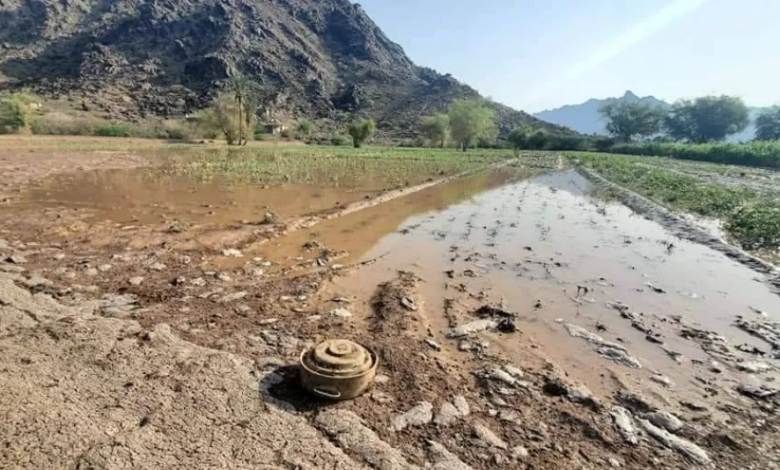
من أبرز وأخطر التداعيات التي يدفع ثمنها المدنيون هي زراعة الألغام بشكل عشوائي ومكثف. تشير التقارير الدولية والمحلية، بما فيها بيانات مشروع “مسام” لتطهير الأراضي اليمنية من الألغام، إلى أن الميليشيات الحوثية زرعت مئات الآلاف من الألغام الأرضية والعبوات الناسفة في القرى، والمزارع، والطرقات. هذه الألغام لا تفرق بين مقاتل ومدني، وقد حصدت أرواح آلاف الأبرياء، وتسببت في إعاقات دائمة وبتر لأطراف آلاف آخرين، معظمهم من النساء والأطفال، مما يضيف عبئاً صحياً ونفسياً هائلاً على مجتمع يفتقر إلى أبسط مقومات الرعاية الصحية الأساسية.
الجوع والحرمان: انهيار اقتصادي وإنساني
إلى جانب خطر الموت بانفجار لغم، يواجه اليمنيون شبح الجوع والمجاعة. الانقلاب الحوثي أدى إلى توقف صرف رواتب مئات الآلاف من الموظفين الحكوميين في مناطق سيطرتهم منذ سنوات، مما جرد أسراً كاملة من مصدر دخلها الوحيد. ترافق ذلك مع تدهور حاد في قيمة العملة الوطنية، وارتفاع جنوني في أسعار المواد الغذائية الأساسية. وتشير إحصائيات برنامج الأغذية العالمي إلى أن ملايين اليمنيين يعانون من انعدام الأمن الغذائي الحاد، ويعتمدون بشكل كلي على المساعدات الإنسانية للبقاء على قيد الحياة. الحرمان امتد ليشمل قطاعات التعليم والصحة، حيث تسرب ملايين الأطفال من المدارس، وخرجت أكثر من نصف المرافق الصحية عن الخدمة تماماً.
التأثيرات المحلية والإقليمية ودولياً
على الصعيد المحلي، أدى هذا الوضع المأساوي إلى نزوح داخلي لأكثر من 4 ملايين شخص يعيشون في مخيمات تفتقر لأدنى شروط الحياة الكريمة. أما إقليمياً، فقد شكل الانقلاب الحوثي واستمرار الحرب تهديداً مباشراً لأمن الدول المجاورة واستقرار المنطقة، خاصة مع استهداف المنشآت المدنية والاقتصادية عبر الحدود. ودولياً، أثر الصراع بشكل ملحوظ على أمن الملاحة البحرية في البحر الأحمر ومضيق باب المندب، وهو شريان حيوي للتجارة العالمية، مما جعل الأزمة اليمنية محط اهتمام وقلق المجتمع الدولي بأسره.
خاتمة: الحاجة الملحة للسلام
في الختام، يبقى المواطن اليمني هو الضحية الأولى والأخيرة في هذه المعادلة المعقدة. إن إنهاء حالة الجوع والحرمان ووقف نزيف الدم بسبب الألغام يتطلب ضغطاً دولياً حقيقياً للوصول إلى تسوية سياسية شاملة وعادلة، تنهي الانقلاب وتعيد بناء مؤسسات الدولة، وتضمن عودة الحياة الطبيعية لملايين اليمنيين الذين طال انتظارهم للسلام والأمن.