
رشاد العليمي يؤكد: لا سلام مستدام دون إنهاء المشروع الحوثي الإيراني
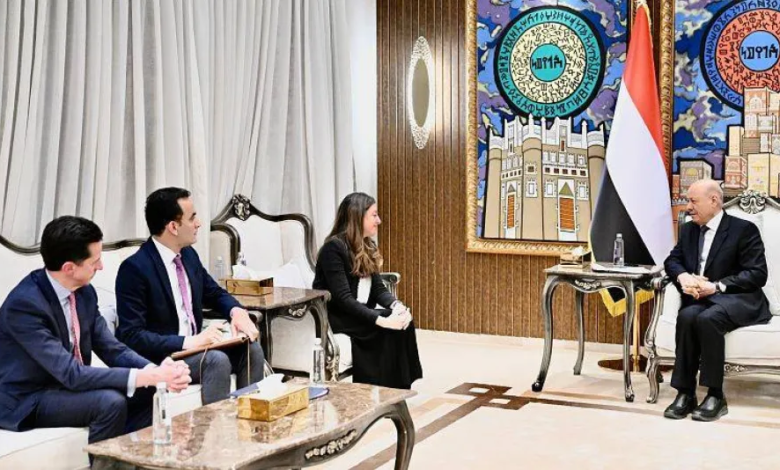
أكد الدكتور رشاد العليمي، رئيس مجلس القيادة الرئاسي في الجمهورية اليمنية، في تصريحاته الأخيرة، على موقف الحكومة الشرعية الثابت تجاه الأزمة اليمنية، مشدداً على أن تحقيق السلام المستدام في اليمن يبدأ بخطوة أساسية وجوهرية تتمثل في إنهاء المشروع الحوثي الإيراني. وتأتي هذه التصريحات في ظل جهود إقليمية ودولية حثيثة للوصول إلى تسوية سياسية شاملة تنهي سنوات من الصراع الدامي الذي أرهق كاهل الشعب اليمني.
السياق العام والخلفية التاريخية للأزمة اليمنية
تعود جذور الأزمة الحالية إلى أواخر عام 2014، عندما قامت ميليشيا الحوثي بانقلاب مسلح على السلطة الشرعية وسيطرت على العاصمة صنعاء ومؤسسات الدولة بقوة السلاح. هذا التحرك العسكري لم يكن معزولاً، بل جاء بدعم واضح من النظام الإيراني الذي سعى إلى إيجاد موطئ قدم له في شبه الجزيرة العربية. ومنذ ذلك الحين، دخل اليمن في حرب طاحنة أدت إلى تدخل تحالف دعم الشرعية بقيادة المملكة العربية السعودية في مارس 2015، استجابة لطلب الرئيس اليمني آنذاك لإنقاذ البلاد من التمدد الإيراني.
على مدار السنوات الماضية، رعت الأمم المتحدة جولات عديدة من المفاوضات والمشاورات، إلا أن التعنت الحوثي المستند إلى الدعم العسكري والسياسي من طهران كان دائماً حجر العثرة أمام أي تقدم حقيقي نحو السلام. ومن هنا، ينطلق العليمي في تأكيده على أن معالجة الأعراض دون الجذور لن تؤدي إلا إلى تأجيل الصراع وليس حله.
أبعاد المشروع الحوثي الإيراني وخطورته
يعتمد المشروع الحوثي الإيراني على تصدير الثورة الإيرانية وتأسيس كيانات مسلحة موازية للدولة، على غرار تجارب إقليمية أخرى. وتقوم طهران بتزويد الميليشيات الحوثية بالأسلحة النوعية، بما في ذلك الطائرات المسيرة والصواريخ الباليستية، فضلاً عن التدريب والتمويل. ويرى مجلس القيادة الرئاسي أن بقاء هذا المشروع يمثل تهديداً وجودياً لهوية اليمن الوطنية، ونسيجه الاجتماعي، ومؤسساته الدستورية.
التأثير المتوقع لإنهاء الانقلاب وتحقيق السلام
إن الرؤية التي يطرحها العليمي لإنهاء هذا المشروع تحمل انعكاسات بالغة الأهمية على مستويات ثلاثة:
- على المستوى المحلي: سيؤدي إنهاء الانقلاب الحوثي واستعادة الدولة إلى وضع حد لأسوأ أزمة إنسانية في العالم، وفقاً لتصنيفات الأمم المتحدة. كما سيمهد الطريق لإعادة الإعمار، وعودة النازحين، وبناء يمن اتحادي ديمقراطي يحترم حقوق الإنسان ويضمن المساواة لجميع مواطنيه.
- على المستوى الإقليمي: يمثل إنهاء النفوذ الإيراني في اليمن ضمانة أساسية لأمن واستقرار دول الجوار، وخاصة المملكة العربية السعودية ودول الخليج العربي، التي تعرضت مراراً لهجمات عابرة للحدود. استقرار اليمن هو جزء لا يتجزأ من منظومة الأمن القومي العربي.
- على المستوى الدولي: يكتسب اليمن أهمية جيوسياسية كبرى نظراً لإشرافه على مضيق باب المندب والبحر الأحمر. وقد أثبتت الأحداث الأخيرة، بما فيها الهجمات الحوثية على خطوط الملاحة الدولية، أن بقاء هذه الميليشيات يمثل تهديداً مباشراً للتجارة العالمية وأمن الطاقة. بالتالي، فإن استعادة الدولة اليمنية لسيادتها هو مصلحة دولية عليا.
خاتمة: المرجعيات الثلاث كأساس للحل
في الختام، تجدد القيادة اليمنية ممثلة بالدكتور رشاد العليمي التزامها الكامل بخيار السلام العادل والشامل، ولكن السلام الذي يستند إلى المرجعيات الثلاث المتفق عليها محلياً وإقليمياً ودولياً: المبادرة الخليجية وآليتها التنفيذية، ومخرجات مؤتمر الحوار الوطني الشامل، وقرارات مجلس الأمن الدولي ذات الصلة، وفي مقدمتها القرار 2216. إن أي تسوية تتجاهل هذه المرجعيات أو تشرعن وجود ميليشيات مسلحة خارج إطار الدولة لن تجلب سوى المزيد من الدمار، ولن تحقق السلام المستدام الذي ينشده اليمنيون والمجتمع الدولي على حد سواء.