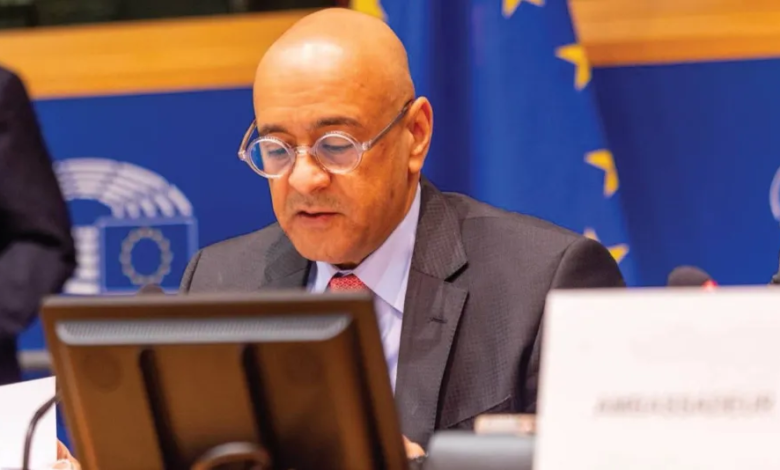
Al-Badawi: Gulf stability is a fundamental pillar for global security and economy

His Excellency Mr. Jassim Mohammed Al-Budaiwi, Secretary General of the Cooperation Council for the Arab States of the Gulf (GCC), affirmed in his remarks a well-established strategic fact: that the stability of the Gulf directly and positively impacts the stability of the entire world. These remarks come amidst rapidly evolving global geopolitical and economic challenges, highlighting the pivotal role played by the GCC states in maintaining regional and international equilibrium.
Historical context and strategic role of the Gulf Cooperation Council
The Gulf Cooperation Council (GCC) was established in 1981, and since then, its member states have demonstrated their ability to form a united front capable of confronting regional challenges. Historically, the Arabian Gulf region has been a vital focal point in global politics due to its strategic geographic location connecting the continents of the Old World and its control over crucial waterways such as the Strait of Hormuz, through which a significant portion of global trade and energy supplies pass. This exceptional location has made the security of the Gulf an integral part of global national security.
The economic importance and impact of Gulf stability on global markets
From an economic perspective, the stability of the Gulf region is a vital safeguard for the global economy. The Gulf states possess vast reserves of oil and natural gas and play a leading and influential role in stabilizing energy markets through OPEC and the OPEC+ alliance. Any threat to the security of this region immediately leads to fluctuations in energy prices, which in turn impacts inflation and economic growth rates in both industrialized and developing countries. Therefore, the efforts of the Gulf states to secure maritime navigation and ensure the continued flow of energy supplies are fundamental to the stability of global markets and the prevention of crippling economic crises.
Geopolitical influence and Gulf diplomacy
On the geopolitical front, Gulf diplomacy is playing an increasingly important role in resolving regional and international conflicts. The capitals of the Gulf states have emerged as trusted platforms for dialogue and mediation on numerous complex issues, reflecting political maturity and a genuine desire to establish peace. Al-Budaiwi's statements underscore that the GCC states are not merely passive recipients of events, but key players contributing to the fight against terrorism, enhancing cybersecurity, and building robust strategic partnerships with major global powers and international organizations.
Visions of the future and sustainable development
The concept of stability in the Gulf vision is not limited to security and military aspects alone, but extends to economic and social stability. The Gulf states have adopted ambitious development visions, such as Saudi Arabia's Vision 2030 and other national Gulf visions, which aim to diversify income sources, reduce dependence on oil, and transition towards a knowledge-based and digital economy. This transformation requires a safe and stable environment to attract foreign direct investment, which benefits the global economy by creating new investment opportunities and broad-based trade partnerships.
a summary
In conclusion, the vision of the Secretary-General of the Gulf Cooperation Council is that the security of the Gulf is the security of the world. The close link between the stability of this vital region and the prosperity of the international community makes supporting Gulf efforts to maintain security and peace a shared global interest. As the Gulf states continue to strengthen their internal integration and expand their external partnerships, their stability remains the cornerstone of building a more secure and prosperous global order.