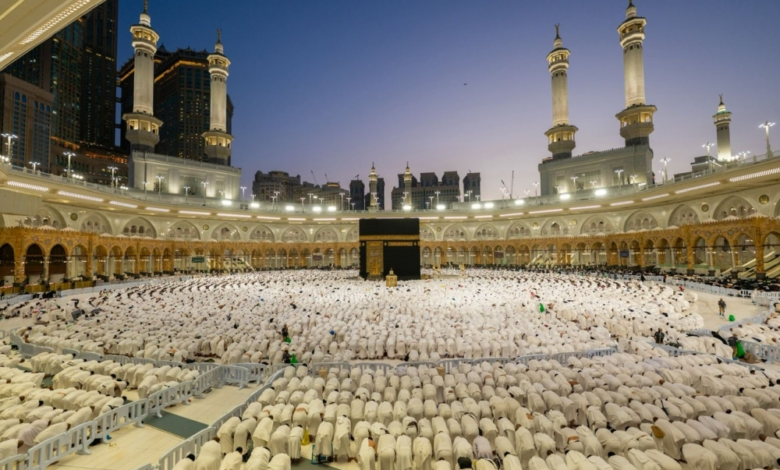

The General Presidency for Religious Affairs at the Grand Mosque in Mecca and the Prophet's Mosque in Medina announced the success of its operational and strategic plan for the first ten days of Ramadan, confirming its immediate transition to the second phase of the plan by raising its level of preparedness and readiness to the highest degree. This proactive measure comes in preparation for accommodating the expected influx of millions of pilgrims, visitors, and worshippers during the remainder of the holy month, within a comprehensive system of guidance and support services.
The importance of the Ramadan season and the goals of the vision
This Ramadan season holds exceptional significance due to the continuous increase in the number of pilgrims from around the world, in line with the goals of the Kingdom's Vision 2030, which aims to facilitate the hosting of more Umrah pilgrims and ease their access to the Two Holy Mosques. The relevant authorities in the Kingdom are working to dedicate all logistical and human resources to ensure a safe and convenient spiritual experience. Ramadan represents the peak of the annual Umrah season, requiring close coordination among all security, service, and health sectors to guarantee the smooth flow of movement in the holiest places on earth.
Institutional success and integration in the Grand Mosque
In this context, the official spokesperson for the Presidency of Religious Affairs at the Grand Mosque, Sheikh Abdullah Al-Soli, affirmed that the successful completion of the first third of Ramadan's plan was not a coincidence, but rather a direct reflection of the effective integration and diligent work of all the Presidency's staff. Al-Soli pointed out that the early preparations, based on a precise institutional operational vision, played a pivotal role in accommodating the millions of pilgrims and Umrah performers with ease and convenience, while emphasizing the spiritual significance of the place and time and providing the faith-filled atmosphere sought by the guests of God.
Technical adaptation and streamlined operation of the Prophet's Mosque
Regarding the Prophet's Mosque, the official spokesperson for the General Presidency for Religious Affairs, Sheikh Abdullah bin Hattab Al-Hunaini, explained that the smooth flow and high quality of service witnessed during the first ten days of Dhul-Hijjah reflect the utmost readiness of the field and academic staff. Al-Hunaini stated that the Presidency has dedicated all its human and technological resources to enriching the spiritual experience of visitors, leveraging digital transformation to provide immediate guidance services and awareness initiatives translated into multiple languages to accommodate the cultural diversity of visitors. This reflects the significant development in the services provided at the Two Holy Mosques.
Service sustainability and the honor of responsibility
The religious leaders at the Two Holy Mosques agreed to proceed with the meticulous implementation of the approved operational plan for the remaining days and nights of the holy month, especially with the anticipated arrival of the last ten days, which witness a significant increase in the number of pilgrims. The officials emphasized their awareness of the immense responsibility and honor of serving in these sacred places, expressing their appreciation for the unwavering support of the wise leadership – may God protect them – in creating a spiritually enriching atmosphere that allows the pilgrims to perform their rituals with complete peace and tranquility, within a world-class security and service system.