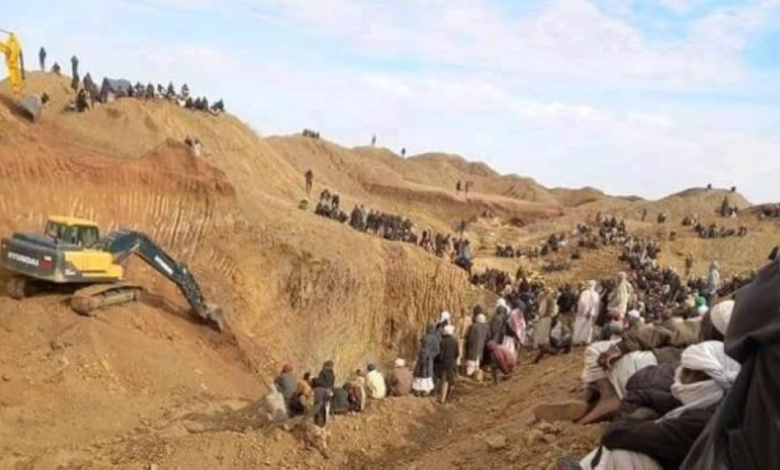

لقي العشرات من عمال المناجم حتفهم إثر انزلاق تربة كارثي في منجم للتنقيب في جمهورية أفريقيا الوسطى، بالقرب من الحدود مع الكاميرون. وقع الحادث المأساوي الأسبوع الماضي، ليضاف إلى سلسلة من الكوارث المتكررة التي تضرب قطاع التعدين العشوائي في البلاد. ووفقاً لتصريحات مسؤول محلي وشهادات السكان لوكالة فرانس برس، فإن الفاجعة تسلط الضوء مجدداً على المخاطر الجسيمة التي يواجهها العاملون في هذا القطاع الحيوي والخطير في آن واحد.
تفاصيل حادث انهيار المنجم وعمليات البحث
وقعت الحادثة الأخيرة في صباح يوم السادس من مايو في موقع “بي-مباري” للتعدين، الواقع في محافظة نانا-مامبيري في غرب البلاد. وأفاد أحد السكان المحليين في قرية ساغاني المجاورة، إلى جانب مسؤول من بلدية أبا، أن العديد من الجثث لا تزال مدفونة تحت الأنقاض، في حين تستمر جهود البحث عن المفقودين وسط ظروف بالغة الصعوبة. وعلى إثر هذه الفاجعة، تم تعليق كافة النشاطات في المنجم، بينما لم يصدر حتى الآن أي بيان رسمي فوري من السلطات الحكومية لتوضيح ملابسات الحادث أو تقديم حصيلة نهائية للضحايا.
السياق الأمني والجغرافي المعقد
يقع موقع “بي-مباري” في منطقة نائية يصعب الوصول إليها، مما يعقد من عمليات الإنقاذ والإغاثة. وتزداد خطورة الوضع في هذه المناطق بسبب نشاط العديد من الجماعات المسلحة المعارضة للحكومة. هذا الفراغ الأمني وغياب الرقابة الحكومية الصارمة يوفر بيئة خصبة لعمليات التعدين غير القانونية، والتي غالباً ما تفتقر إلى أدنى معايير السلامة المهنية، مما يجعل انزلاقات التربة وانهيارات المناجم حوادث شائعة ومميتة تخرج عن سيطرة الدولة.
ثروات أفريقيا الوسطى والتنافس الدولي
تمتلك جمهورية أفريقيا الوسطى ثروات وموارد معدنية هائلة تشمل اليورانيوم، الليثيوم، الألماس، الذهب، بالإضافة إلى الأخشاب. هذه الثروات الطبيعية جعلت البلاد محط أنظار واستغلال من قبل شركات عالمية كبرى تنتمي إلى دول مثل الولايات المتحدة الأمريكية، الصين، روسيا، رواندا، كندا، وفرنسا. ومع ذلك، فإن هذا التنافس الدولي لم ينعكس إيجاباً على البنية التحتية أو ظروف العمل للسكان المحليين، بل زاد من تعقيد المشهد الاقتصادي والسياسي، حيث تعتمد الكثير من العائلات الفقيرة على التعدين الحرفي كمصدر وحيد للدخل رغم المخاطر المميتة.
سجل حافل بالكوارث في قطاع التعدين
تاريخياً، تعاني أفريقيا الوسطى من أزمات سياسية وأمنية متلاحقة أضعفت مؤسسات الدولة وقدرتها على تنظيم قطاع التعدين. هذا الضعف المؤسسي أدى إلى تكرار هذه الحوادث المأساوية بشكل مقلق. ففي منتصف شهر مارس الماضي، تسبب انزلاق تربة آخر في مقتل سبعة أشخاص في منجم بقرية نغوروم، والتي تقع أيضاً في غرب البلاد. وقبل ذلك، وتحديداً في شهر فبراير، لقي 20 شخصاً مصرعهم في حادث مشابه في منطقة غورديل بشمال شرق البلاد.
التأثير المحلي والإقليمي
إن استمرار هذه الكوارث يحمل تداعيات خطيرة على المستويين المحلي والإقليمي. محلياً، تفقد مئات الأسر معيلها في حوادث يمكن تجنبها لو توفرت الرقابة والتنظيم. إقليمياً، يساهم التعدين العشوائي في تمويل الجماعات المسلحة، مما يهدد استقرار المنطقة بأسرها. دولياً، يضع هذا الوضع مسؤولية على الشركات الأجنبية والمجتمع الدولي لضرورة دعم جهود تنظيم هذا القطاع لضمان استخراج الموارد بطرق آمنة ومستدامة تحمي أرواح العمال وتدعم الاقتصاد المحلي بشكل شرعي.