
Worrying economic indicators in the Eurozone
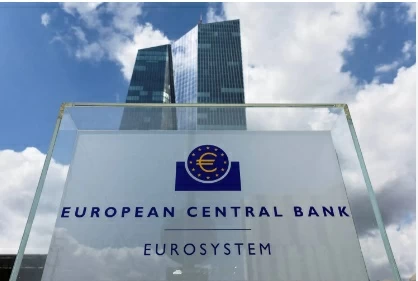
Recent data from the European Central Bank reveals a worrying rise in consumer inflation expectations, coinciding with commercial banks adopting tighter lending policies. These developments come at a critical time for the European economy, which is still recovering from a series of global shocks, presenting monetary policymakers with complex challenges to maintain price stability without triggering a deep recession.
Sharp jump in inflation expectations
The European Central Bank's consumer expectations survey showed that average inflation expectations for next year jumped to 4% in March, compared to just 2.5% the previous month. Medium-term expectations (for the next three years) also rose to 3% from 2.5%. Both readings significantly exceed the ECB's official target of 2%, suggesting that consumers are bracing for a new wave of price increases that could impact their purchasing and saving decisions.
Historical context: From the pandemic to the energy crisis
The roots of the current inflation wave lie in the disruptions following the COVID-19 pandemic, which led to bottlenecks in global supply chains. The situation was significantly exacerbated by the outbreak of war in Ukraine, which caused a dramatic increase in energy and food costs across Europe. To counter this record-breaking price surge, the European Central Bank embarked on a historic cycle of interest rate hikes starting in mid-2022, aiming to curb demand and cool the overheated economy.
Banks tighten the noose on credit
On the credit front, the quarterly bank lending survey confirmed that financial institutions tightened loan approval standards more than expected during the first quarter of the year. Banks indicated they anticipate this tightening approach will continue in the current quarter, attributing it to a reduced risk tolerance and growing concerns about the overall economic outlook. This tightening means that obtaining financing for expansion and investment, as well as mortgages and consumer loans, will become more difficult and expensive for businesses.
Expected impact on the economy and society
These developments represent the first tangible signs of the profound economic effects of the high interest rate environment and continued uncertainty. Tighter credit conditions can slow economic growth, leading to reduced investment and spending. Given these circumstances, European Central Bank policymakers are expected to leave interest rates unchanged at their upcoming meeting, attempting to strike a delicate balance between controlling inflation and avoiding further damage to the fragile economic activity in the eurozone.