
تحول استراتيجي نحو الزراعة النظيفة
أكد المركز الوطني للوقاية من الآفات النباتية والأمراض الحيوانية ومكافحتها “وقاء”، على الأهمية المحورية لتبني وسائل المكافحة الوقائية المستدامة وتقنيات الاصطياد المكثف لحماية المحاصيل الزراعية في المملكة العربية السعودية. يأتي هذا التوجه كخطوة استراتيجية لخفض نسب الإصابة بالآفات الحشرية، وتقليل الاعتماد على المبيدات الكيماوية، مما يعزز من سلامة المنتجات الزراعية ويدعم استدامة القطاع.
وشدد المركز على الدور الفعال الذي تلعبه تقنيات الاصطياد المكثف، باستخدام الجاذبات الفرمونية أو المصائد الضوئية، في خفض أعداد الآفات الحشرية الضارة بدرجة كبيرة. تساهم هذه الوسائل الصديقة للبيئة في تقليل الحاجة إلى رش المبيدات، الأمر الذي ينعكس إيجاباً على جودة وسلامة الغذاء ويحقق أهداف الاستدامة للقطاع الزراعي الوطني.
السياق التاريخي: من الثورة الكيماوية إلى الحلول المستدامة
تاريخياً، اعتمد القطاع الزراعي العالمي منذ منتصف القرن العشرين على ما عُرف بـ “الثورة الخضراء”، التي قامت على استخدام مكثف للأسمدة والمبيدات الكيماوية لزيادة الإنتاجية. ورغم نجاحها في تحقيق الأمن الغذائي آنذاك، إلا أن الآثار السلبية لهذه الممارسات بدأت بالظهور مع مرور الوقت، متمثلة في تدهور خصوبة التربة، وتلوث المياه الجوفية، وظهور سلالات من الآفات المقاومة للمبيدات، بالإضافة إلى التأثير على الكائنات الحية النافعة كالنحل والملقحات الأخرى. هذا السياق التاريخي يوضح حتمية التحول نحو بدائل أكثر استدامة، مثل المصائد الذكية التي تعتمد على سلوك الحشرات الطبيعي دون الإضرار بالنظام البيئي.
الأهمية والأثر المتوقع: رؤية وطنية وأبعاد عالمية
تكتسب هذه المبادرة أهمية استراتيجية على عدة مستويات. محلياً، تتماشى هذه الجهود بشكل مباشر مع مستهدفات “رؤية السعودية 2030” وبرنامج “السعودية الخضراء”، التي تهدف إلى تحقيق الاستدامة البيئية والأمن الغذائي. فمن خلال إنتاج محاصيل آمنة وخالية من متبقيات المبيدات، ترتفع جودة المنتج المحلي وتزداد قدرته التنافسية في الأسواق. إقليمياً، تواجه منطقة الخليج تحديات مشتركة مثل ندرة المياه والتصحر، مما يجعل تبني تقنيات زراعية مستدامة ضرورة ملحة. ويمكن لتجربة المملكة أن تكون نموذجاً رائداً للدول المجاورة. دولياً، ينسجم هذا التوجه مع أهداف التنمية المستدامة للأمم المتحدة (SDGs)، خاصة الهدف المتعلق بالقضاء على الجوع وتعزيز الزراعة المستدامة، مما يضع المملكة في مصاف الدول المتقدمة في تطبيق أفضل الممارسات الزراعية العالمية.
آلية العمل والتطبيق الفعال
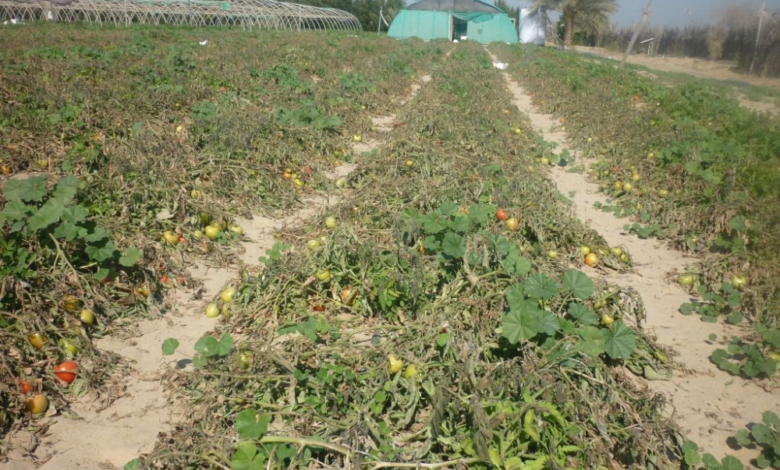
أوضح مركز “وقاء” أن هذا الأسلوب يُعد من أبرز ركائز المكافحة المتكاملة للآفات (IPM)، حيث يعتمد على استخدام وسائل جاذبة تحد من تكاثر الحشرات وانتشارها. وأشار إلى أن المصائد المائية الفرمونية الضوئية تبرز كخيار تقني متقدم، خاصة في برامج رصد ومكافحة آفة “حافرة الطماطم” (Tuta absoluta) المدمرة. تعتمد هذه المصائد على مصدر ضوء فوق بنفسجي وجاذب فرموني متخصص، بالإضافة إلى وعاء مائي يعمل على احتجاز الحشرات فور انجذابها للمصيدة. ولضمان استمرار فعاليتها، شدد المركز على ضرورة الصيانة الدورية لهذه المصائد، بما يشمل تغيير الفيرمون كل 4 إلى 6 أسابيع.
دعوة لتبني المستقبل
في ختام بيانه، دعا المركز المزارعين والمهتمين بالقطاع إلى تبني التقنيات الوقائية الحديثة والاستفادة من حلول المكافحة المتكاملة. إن تطبيق أسلوب الاصطياد المكثف لا يمثل فقط خياراً صديقاً للبيئة يحافظ على التوازن الطبيعي، بل هو استثمار في مستقبل الزراعة، يضمن إنتاج محاصيل آمنة وذات جودة عالية، ويحقق سلامة المنتج النهائي للمستهلكين، ويدعم بناء قطاع زراعي وطني مرن ومستدام.