
إجراءات حازمة لحماية السوق المحلية
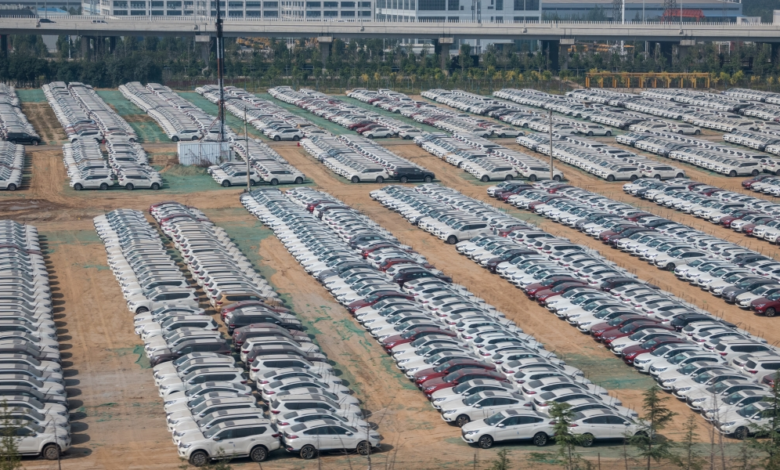
في خطوة استراتيجية تهدف إلى حماية السوق المحلية وضمان استقرار الحركة التجارية، أصدرت الهيئة السعودية للمواصفات والمقاييس والجودة قراراً رقابياً حازماً يقضي بالمنع المؤقت لدخول السيارات الخفيفة الجديدة التي لا يزيد وزنها عن 3.5 طن، والواردة من 29 شركة صانعة للسيارات حول العالم. ويأتي هذا القرار الحاسم نتيجة لعدم التزام تلك الشركات العالمية بتقديم خطة التوريد الخاصة بها خلال الإطار الزمني المحدد من قبل الجهات المختصة في المملكة العربية السعودية. وقد شملت القائمة الرسمية للشركات الممنوعة مؤقتاً 29 علامة تجارية متعددة الجنسيات، برزت من ضمنها أسماء لامعة في قطاع صناعة السيارات مثل شركة “فولفو” (Volvo)، و”ماكلارين” (McLaren)، و”تاتا موتورز” (Tata Motors)، إلى جانب عدد من الشركات الأخرى المتخصصة في تصنيع المركبات الخفيفة.
السياق العام وأزمة سلاسل الإمداد العالمية
ولفهم السياق العام لهذا القرار، يجب النظر إلى التحولات الاقتصادية العالمية والتحديات التي واجهت قطاع السيارات خلال السنوات القليلة الماضية. فمنذ أزمة جائحة كورونا وما تبعها من أزمة نقص أشباه الموصلات، عانت الأسواق العالمية من تذبذبات حادة في سلاسل الإمداد، مما أدى إلى تأخير تسليم المركبات ونقص المعروض في العديد من الدول. وفي إطار مستهدفات حوكمة الأسواق، تولي المملكة اهتماماً بالغاً بحماية المستهلك المحلي من هذه التقلبات العالمية. لذلك، باتت الجهات الرقابية، وعلى رأسها وزارة التجارة وهيئة المواصفات والمقاييس، تشترط على الشركات الكبرى تقديم خطط توريد واضحة وشفافة ومجدولة زمنياً، لضمان عدم حدوث أي نقص مفاجئ في المعروض قد يؤثر على الأسعار أو يضر بمصالح المستهلكين وقطاع الأعمال على حد سواء.
آلية التنفيذ وشروط رفع المنع المؤقت
وفيما يتعلق بآلية تنفيذ هذا القرار الرقابي، فقد قامت غرفة الشرقية بتعميم هذا التوجيه بشكل رسمي على جميع مشتركيها من وكلاء السيارات والمستوردين في المنطقة. واستند هذا التعميم إلى خطاب رسمي تلقته الغرفة من اتحاد الغرف السعودية، والذي بُني بدوره على برقية عاجلة من وزارة التجارة. وأكدت الجهات المعنية بوضوح أن قرار الإيقاف في جميع المنافذ الجمركية للمملكة سيظل سارياً بشكل مؤقت ومشدد، ولن يتم رفعه إلا في حين قيام الشركات الصانعة المعنية بتقديم خطط التوريد المطلوبة منها قبل نهاية العام 2026، مما يضع المسؤولية على عاتق تلك الشركات لتصحيح أوضاعها والامتثال للاشتراطات السعودية.
التأثير المتوقع على الصعيدين المحلي والدولي
يحمل هذا الحدث أهمية كبرى وتأثيراً متوقعاً على عدة أصعدة. على الصعيد المحلي، سيساهم القرار في استقرار سلاسل الإمداد اللوجستية، وحماية السوق السعودية من أي تذبذب في تدفق المركبات الجديدة، مما يضمن توافر السيارات بأسعار عادلة ومستقرة للمستهلك النهائي. أما على الصعيد الإقليمي والدولي، فإن هذا الإجراء يبعث برسالة قوية للشركات العالمية مفادها أن السوق السعودية، التي تعد من الأكبر في منطقة الشرق الأوسط، تتطلب التزاماً تاماً بالأنظمة واللوائح والشفافية في التعاملات التجارية. كما يعزز هذا الموقف من مكانة المملكة كقوة اقتصادية قادرة على فرض معاييرها الرقابية لحماية اقتصادها الوطني، ويحفز الشركات متعددة الجنسيات على إعادة تقييم استراتيجياتها التصديرية لتتوافق مع متطلبات الأسواق الكبرى والمؤثرة.