
تفاصيل إعلان ترامب بدء الحصار على إيران
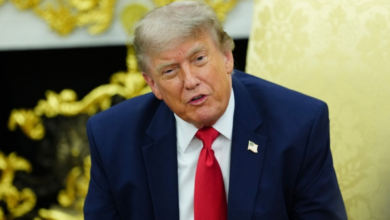
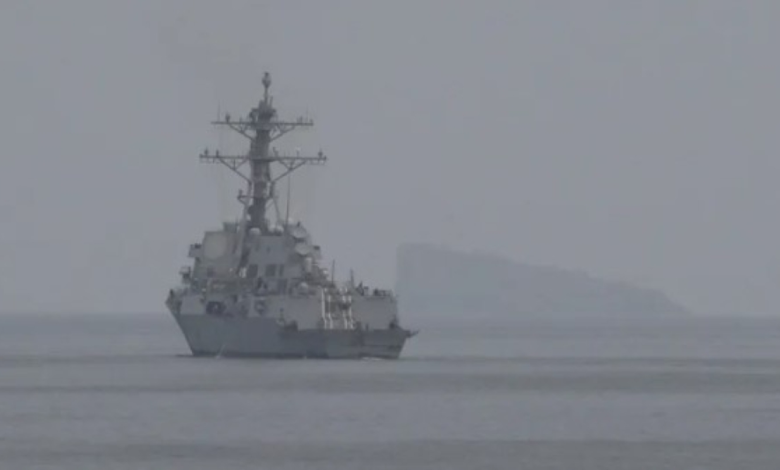
في تطور بارز على الساحة السياسية الدولية، أعلن الرئيس الأمريكي السابق دونالد ترامب عن بدء تطبيق حصار صارم على إيران، وذلك وفقاً لنبأ عاجل أوردته شبكة “العربية”. وتأتي هذه التصريحات لتؤكد على استمرار النهج المتشدد الذي يتبناه ترامب تجاه طهران، مشدداً على ضرورة تحجيم قدراتها ومنعها من تحقيق طموحاتها النووية بأي ثمن.
وأوضح ترامب في تصريحاته أنه تلقى صباح اليوم اتصالاً هاتفياً من “الأشخاص المناسبين” لمناقشة الملف الإيراني، مؤكداً التزامه الصارم بمنع طهران من امتلاك أسلحة دمار شامل. وقال بوضوح: “لن نسمح لدولة تثير المتاعب منذ 47 عاماً بامتلاك سلاح نووي”، في إشارة واضحة إلى تاريخ التوترات الطويل بين واشنطن وطهران منذ عقود.
موقف حازم وشلل اقتصادي
وأضاف ترامب مفاخراً بسجله السياسي: “أنا من وقف أمام إيران على عكس الآخرين”، مشيراً إلى أن الرؤساء الأمريكيين السابقين لم يتخذوا إجراءات حاسمة وقوية ضد طهران بالمستوى الذي قام به خلال فترة إدارته. ولفت إلى التأثير العميق لسياساته قائلاً: “إيران لا تقوم بأي عمل تجاري الآن”، في دلالة على العزلة الاقتصادية الخانقة التي تعاني منها البلاد نتيجة العقوبات.
السياق التاريخي: حملة الضغط الأقصى
لفهم أبعاد هذا الحصار، يجب العودة إلى السياق التاريخي للعلاقات الأمريكية الإيرانية. تعود جذور التوتر الحديث إلى عام 1979، وهو ما يفسر إشارة ترامب إلى الـ 47 عاماً من المتاعب. ولكن التصعيد الأكبر حدث في عام 2018 عندما أعلن ترامب انسحاب الولايات المتحدة أحادي الجانب من الاتفاق النووي الإيراني (خطة العمل الشاملة المشتركة) الذي تم توقيعه في عام 2015. وعقب الانسحاب، أطلقت الإدارة الأمريكية ما عُرف بـ “حملة الضغط الأقصى”، والتي تضمنت فرض عقوبات اقتصادية غير مسبوقة استهدفت قطاعات النفط، البنوك، والشحن الإيرانية، بهدف إجبار طهران على التفاوض على اتفاق جديد وأكثر شمولاً.
التأثيرات المتوقعة للحصار (محلياً وإقليمياً ودولياً)
على الصعيد المحلي (الداخل الإيراني): أدى الحصار والعقوبات الأمريكية إلى تداعيات كارثية على الاقتصاد الإيراني. فقدت العملة المحلية (الريال) جزءاً كبيراً من قيمتها، وارتفعت معدلات التضخم والبطالة بشكل غير مسبوق. كما أدت العقوبات الثانوية إلى انسحاب الشركات العالمية الكبرى من السوق الإيرانية، مما أوقف عجلة الاستثمار الأجنبي وجعل من الصعب على طهران تصدير نفطها الذي يمثل شريان الحياة لاقتصادها.
على الصعيد الإقليمي: يحمل هذا الحصار أهمية بالغة لمنطقة الشرق الأوسط. تهدف واشنطن من خلال تجفيف منابع التمويل الإيرانية إلى الحد من قدرة طهران على دعم وكلائها والفصائل المسلحة التابعة لها في دول مثل لبنان، سوريا، العراق، واليمن. هذا النهج يلقى ترحيباً واسعاً من حلفاء واشنطن التقليديين في المنطقة، الذين يرون في النفوذ الإيراني تهديداً مباشراً لأمنهم القومي واستقرار المنطقة.
على الصعيد الدولي: أحدثت سياسة الحصار والعقوبات شرخاً في العلاقات بين الولايات المتحدة وحلفائها الأوروبيين الذين حاولوا الحفاظ على الاتفاق النووي. في المقابل، دفع هذا الضغط الاقتصادي إيران إلى تعزيز علاقاتها الاستراتيجية والاقتصادية مع قوى شرقية مثل الصين وروسيا للالتفاف على العقوبات. كما أن أسواق الطاقة العالمية تراقب هذه التطورات بحذر شديد، نظراً لموقع إيران الاستراتيجي وإشرافها على مضيق هرمز الذي يمر عبره جزء كبير من إمدادات النفط العالمية.
في الختام، تعكس تصريحات ترامب حول الحصار على إيران استمراراً لسياسة العصا الغليظة، مما يبقي منطقة الشرق الأوسط في حالة من الترقب المستمر لمآلات هذا الصراع الجيوسياسي المعقد وتأثيراته على السلم والأمن الدوليين.