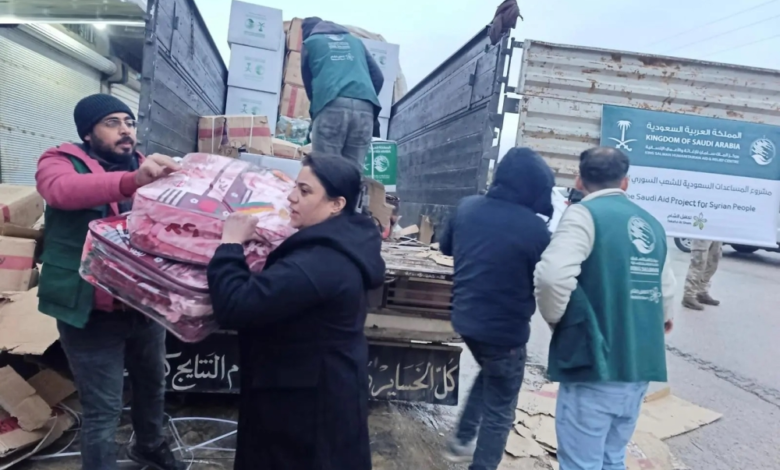

As part of the Kingdom of Saudi Arabia’s ongoing humanitarian efforts to support affected populations worldwide, the King Salman Humanitarian Aid and Relief Center continued its relief programs in the Syrian Arab Republic. The Center distributed 560 winter blankets to displaced families in Aleppo Governorate two days ago, benefiting 280 families living in exceptionally difficult circumstances. This initiative is part of a comprehensive project to distribute shelter and food aid to the Syrian people.
This distribution comes at a crucial time, as northern Syria, particularly Aleppo Governorate, is experiencing a sharp drop in temperatures with the onset of winter. Displaced families face immense challenges in securing basic heating supplies, especially those living in makeshift camps or unprepared buildings. Providing blankets and winter clothing is therefore essential to protect the health and safety of children and the elderly from the bitter cold.
This initiative reflects the Kingdom of Saudi Arabia's unwavering commitment, through its humanitarian arm, the King Salman Humanitarian Aid and Relief Center, to stand with the Syrian people in their ongoing plight. The Center's assistance extends beyond shelter materials to include food security, healthcare, water, and sanitation, in a concerted effort to alleviate the suffering caused by the humanitarian crisis that has left millions displaced and refugees lacking the most basic necessities for a dignified life.
It is worth noting that the "Winter Response" projects implemented by the center are among its most important seasonal interventions, aiming to bridge the significant gap in humanitarian needs during the colder months. These blankets contribute to strengthening families' resilience and adapting to the harsh displacement environment, providing warmth and psychological and physical protection to beneficiaries, thus reducing the risk of cold-related illnesses and preserving their dignity.
These efforts fall within the Kingdom's humanitarian strategy, which aims to extend a helping hand to those in need without discrimination, embodying the values of solidarity and brotherhood. The King Salman Humanitarian Aid and Relief Center continues to coordinate with local and international partners to ensure that aid reaches those who need it most in the most affected areas, thus reaffirming the Kingdom's leading role in international humanitarian work and its unwavering commitment to alleviating human suffering in various crisis zones around the world.