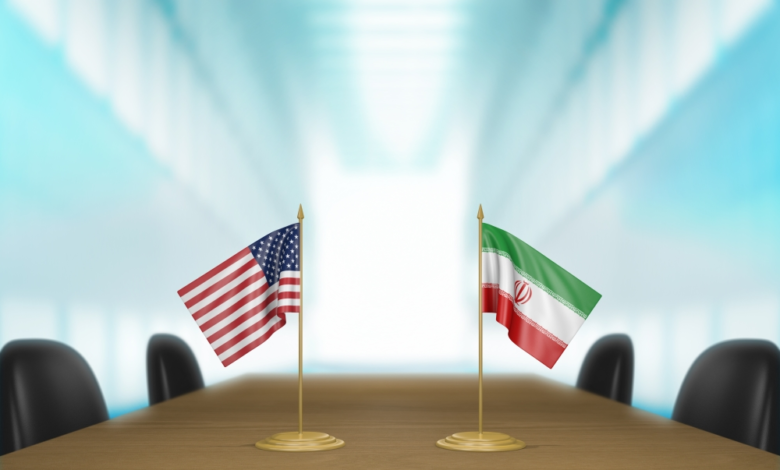

تصعيد دبلوماسي بين طهران وواشنطن
أعلنت وزارة الخارجية الإيرانية يوم الاثنين عن تفاصيل ردها على المقترح الأمريكي الأخير، مؤكدةً أن مطالبها الرئيسية تتمثل في إنهاء الحرب في منطقة الشرق الأوسط بشكل كامل، ورفع الحصار البحري، والإفراج عن أصولها المالية المجمدة في البنوك الأجنبية. جاء هذا الإعلان في خضم توترات متصاعدة، وسرعان ما قوبل بالرفض القاطع من قبل الرئيس الأمريكي دونالد ترامب، مما أدى إلى اضطرابات فورية في أسواق الطاقة العالمية.
خلفية التوتر: من الاتفاق النووي إلى سياسة الضغط الأقصى
تعود جذور الأزمة الحالية إلى سنوات من العلاقات المتوترة بين البلدين، والتي شهدت منعطفاً حاسماً في عام 2018 عندما قرر الرئيس ترامب سحب الولايات المتحدة من الاتفاق النووي المبرم عام 2015 (خطة العمل الشاملة المشتركة). تبع هذا الانسحاب إعادة فرض عقوبات اقتصادية صارمة على طهران ضمن ما عُرف بسياسة “الضغط الأقصى”، والتي هدفت إلى شل الاقتصاد الإيراني وإجباره على التفاوض على اتفاق جديد بشروط أمريكية. نتيجة لهذه العقوبات، تم تجميد مليارات الدولارات من الأصول الإيرانية في بنوك حول العالم، وهو ما تعتبره طهران إجراءً غير قانوني وعقبة رئيسية أمام أي تسوية دبلوماسية.
مطالب إيران: حقوق مشروعة أم شروط تعجيزية؟
في مؤتمره الصحفي الأسبوعي، أوضح المتحدث باسم الخارجية الإيرانية، إسماعيل بقائي، أن بلاده لم تطلب أي تنازلات، بل طالبت بـ”الحقوق المشروعة لإيران”. وشملت هذه المطالب بشكل محدد “إنهاء الحرب في المنطقة”، و”إنهاء الحصار البحري الأمريكي”، و”الإفراج عن الأصول العائدة للشعب الإيراني والمحتجزة ظلماً منذ سنوات”. تعكس هذه الشروط رغبة إيران في ربط أي مفاوضات مستقبلية بتحسينات ملموسة على الصعيدين الاقتصادي والأمني، وليس فقط التركيز على برنامجها النووي.
رفض ترامب وتأثيره الفوري على أسواق النفط
لم يتأخر الرد الأمريكي، حيث وصف الرئيس دونالد ترامب الرد الإيراني بأنه “غير مقبول على الإطلاق”. وفي منشور على منصته “تروث سوشال”، كتب ترامب: “قرأت للتو الردّ ممن يسمّون ممثلي إيران. لم يعجبني، غير مقبول على الإطلاق”. هذا الرفض السريع بدد آمال التوصل إلى تهدئة وشيكة، وأرسل موجات صدمة عبر أسواق النفط العالمية. وقبل افتتاح الأسواق الآسيوية، قفز سعر خام برنت بنسبة 3.29% ليصل إلى 104.62 دولاراً للبرميل، كما ارتفع سعر خام غرب تكساس الوسيط الأمريكي بنسبة 2.54% مسجلاً 97.84 دولاراً للبرميل. يعكس هذا الارتفاع مخاوف المستثمرين من تصاعد التوترات في مضيق هرمز، الممر المائي الحيوي لنقل النفط العالمي.
الأهمية الإقليمية والدولية للمفاوضات
تتجاوز تداعيات هذا المأزق الدبلوماسي العلاقات الثنائية بين طهران وواشنطن. فعلى الصعيد الإقليمي، يهدد استمرار التوتر بزعزعة استقرار الشرق الأوسط، الذي يعاني بالفعل من صراعات متعددة. أما دولياً، فإن أي تصعيد عسكري محتمل قد يؤثر بشكل خطير على إمدادات الطاقة العالمية ويزيد من حالة عدم اليقين الاقتصادي. وفي تأكيد على الموقف الإيراني المتشدد، كتب الرئيس الإيراني مسعود بزشكيان على منصة “إكس”: “لن ننحني أبداً أمام العدو، وإن كان هناك حديث عن حوار أو تفاوض، فهذا لا يعني الاستسلام”، مما يشير إلى أن الطريق نحو الحل الدبلوماسي لا يزال طويلاً ومليئاً بالتحديات.