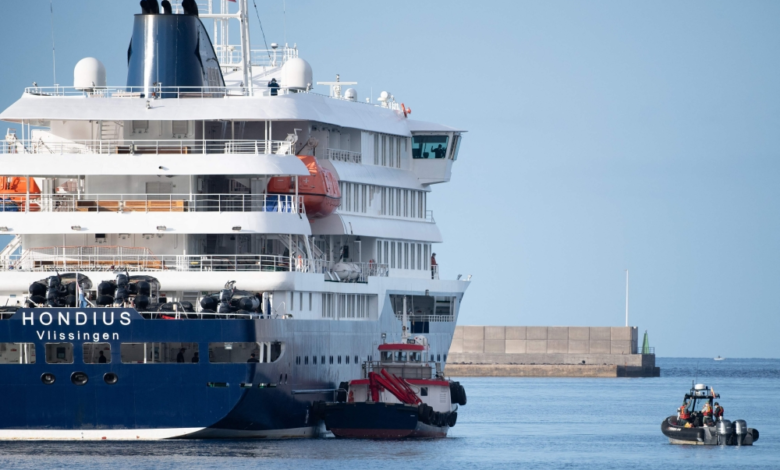

أعلنت وزيرة الصحة الفرنسية، ستيفاني ريست، عن تأكيد 6 إصابات بفيروس هانتا بين ركاب تم إجلاؤهم من السفينة السياحية “إم في هونديوس”، بالإضافة إلى متابعة 22 حالة مخالطة داخل الأراضي الفرنسية. أثار هذا الإعلان حالة من القلق، وأعاد إلى الأذهان المخاوف المتعلقة بالأمراض المعدية التي يمكن أن تنتشر عبر السفر الدولي، خاصة في ظل عدم توفر لقاح أو علاج محدد لهذا الفيروس النادر.
خلفية عن فيروس هانتا وسياق تفشيه
فيروس هانتا ليس فيروسًا جديدًا، بل هو مجموعة من الفيروسات التي تنتشر بشكل أساسي عن طريق القوارض، مثل الفئران والجرذان. تم اكتشافه لأول مرة خلال الحرب الكورية في الخمسينيات بالقرب من نهر هانتان، ومن هنا جاءت تسميته. ينتقل الفيروس إلى البشر بشكل رئيسي عبر استنشاق جزيئات الهواء الملوثة ببول أو براز أو لعاب القوارض المصابة. من المهم الإشارة إلى أن انتقال العدوى من إنسان إلى آخر نادر للغاية، وهو ما يميزه عن فيروسات أخرى مثل كورونا.
تتسبب سلالات فيروس هانتا المختلفة في مرضين رئيسيين: المتلازمة الرئوية لفيروس هانتا (HPS) الشائعة في الأمريكتين، وحمى النزف المصحوبة بالمتلازمة الكلوية (HFRS) المنتشرة في أوروبا وآسيا. وتتراوح الأعراض الأولية بين الحمى وآلام العضلات والصداع، لكنها قد تتطور بسرعة إلى مضاعفات خطيرة تهدد الحياة.
تفاصيل الحالات في فرنسا والإجراءات المتخذة
بدأت الأزمة الحالية بعد عودة السفينة السياحية “هونديوس” من رحلة استكشافية، حيث ظهرت أعراض المرض على عدد من ركابها. من بين الحالات المؤكدة، هناك مواطنون من فرنسا والولايات المتحدة. وأوضحت الوزيرة الفرنسية أن خمسة مواطنين فرنسيين أعيدوا إلى باريس ووُضعوا في حجر صحي مشدد. وأضافت في تصريح لإذاعة “فرانس إنتر” أن حالة إحدى المصابات “تدهورت للأسف”، مؤكدةً وضع الركاب الخمسة في غرف عزل مجهزة بأنظمة ضغط هواء سلبي لمنع أي احتمال لانتشار العدوى داخل المستشفى، حيث سيبقون تحت المراقبة لمدة لا تقل عن 15 يومًا.
الأهمية والتأثير المتوقع
على المستوى المحلي، استنفرت السلطات الصحية الفرنسية فرقها لتتبع المخالطين للمصابين، والذين بلغ عددهم حوالي 22 شخصًا، لضمان عدم وجود أي حالات إضافية غير مكتشفة. أما على الصعيدين الإقليمي والدولي، فقد أثارت هذه الحادثة قلق منظمة الصحة العالمية التي تتابع الوضع عن كثب. كما أنها تسلط الضوء مجددًا على المخاطر الصحية المرتبطة بالسفن السياحية التي تجمع أعدادًا كبيرة من المسافرين من جنسيات مختلفة، مما يجعلها بيئة محتملة لانتشار الأمراض المعدية بسرعة. ويعيد هذا التفشي، على الرغم من محدوديته، التأكيد على أهمية اليقظة الصحية العالمية والتعاون الدولي السريع في مواجهة الأوبئة المحتملة، خاصة تلك التي تنتقل من الحيوانات إلى البشر.