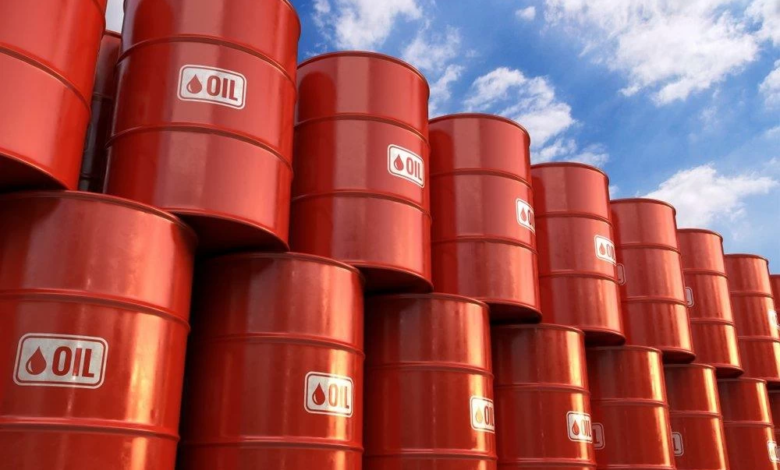

شهدت أسعار النفط العالمية قفزة كبيرة اليوم، حيث ارتفعت بنسبة تجاوزت 3.29%، ليعود خام برنت القياسي للتداول فوق مستوى 104 دولارات للبرميل. يأتي هذا الارتفاع مدفوعًا بتجدد المخاوف في الأسواق بشأن استقرار إمدادات الطاقة العالمية، وذلك في ظل تعثر الجهود الدبلوماسية بين الولايات المتحدة وإيران، واستمرار التوترات في منطقة مضيق هرمز الاستراتيجية.
وفي تفاصيل التداولات، صعدت العقود الآجلة لخام برنت بمقدار 3.33 دولار، أو ما يعادل 3.29%، لتصل إلى 104.6 دولار للبرميل، مواصلة بذلك مكاسبها التي سجلتها في الجلسة السابقة. كما ارتفع سعر خام غرب تكساس الوسيط الأمريكي (WTI) بقيمة 3.15 دولار، أو 3.30%، ليبلغ 98.57 دولار للبرميل، بعد أن كان قد استقر على ارتفاع طفيف في الجلسة الماضية.
خلفية التوترات وتأثيرها على الأسواق
تعود جذور هذه القفزة السعرية إلى الأزمة الجيوسياسية المتصاعدة بين واشنطن وطهران. فقد تبددت الآمال في التوصل إلى حل وشيك بعد أن وصفت الإدارة الأمريكية، بقيادة الرئيس دونالد ترامب آنذاك، الرد الإيراني على مقترح سلام أمريكي بأنه “غير مقبول”. هذا الرفض المتبادل أغلق الباب أمام انفراجة كانت الأسواق تأمل أن تؤدي إلى تخفيف العقوبات على صادرات النفط الإيرانية، وبالتالي زيادة المعروض العالمي.
ويعد مضيق هرمز، الذي يمر عبره ما يقرب من خُمس استهلاك النفط العالمي يوميًا، نقطة محورية في هذا الصراع. أي تهديد بإغلاقه أو تعطيل حركة الملاحة فيه يؤدي حتمًا إلى حالة من الذعر في أسواق الطاقة، مما يدفع الأسعار إلى الارتفاع بشكل حاد نتيجة لمخاوف نقص الإمدادات.
الأهمية الاستراتيجية والتأثيرات الاقتصادية
إن استمرار حالة عدم اليقين في منطقة الخليج له تداعيات اقتصادية واسعة النطاق. على الصعيد الدولي، يؤدي ارتفاع أسعار النفط إلى زيادة تكاليف الطاقة والنقل، مما يغذي الضغوط التضخمية في الاقتصادات الكبرى المستوردة للنفط مثل الصين ودول الاتحاد الأوروبي. أما على الصعيد الإقليمي، فتزيد التوترات من مخاطر الاستثمار وتكاليف التأمين على الشحن البحري، مما يؤثر سلبًا على اقتصادات دول المنطقة.
وفي هذا السياق، علقت بريانكا ساشديفا، كبيرة محللي السوق في إحدى الشركات المتخصصة، قائلة: “يستمر التداول في سوق النفط كآلة لإنتاج العناوين الجيوسياسية، إذ تتأرجح الأسعار بشكل حاد بناءً على كل تعليق أو رفض أو تحذير صادر عن واشنطن وطهران”.
وتتجه الأنظار الآن إلى التحركات الدبلوماسية المقبلة، حيث من المقرر أن يزور الرئيس ترامب بكين للقاء نظيره الصيني شي جين بينغ. ومن المتوقع أن تكون القضية الإيرانية على رأس جدول الأعمال، خاصة وأن الصين تعد من أكبر مشتري النفط الإيراني، وأي تغيير في موقفها قد يكون له تأثير كبير على موازين القوى في المنطقة ومستقبل أسواق الطاقة العالمية.